







Family health crises never come at a good time.
One moment life feels normal. The next, a loved one needs care, appointments increase, and routines fall apart. When this happens, work pressure often adds another layer of stress that feels impossible to manage.
Many people try to hold everything together. They show up to work exhausted. They answer emails between appointments. They worry constantly about what will happen if they step away.
This is where FMLA can make a real difference.
Why Family Health Crises Create So Much Stress
When someone you love is sick, your focus shifts fast.
You worry about their comfort, their recovery, and their safety. At the same time, work responsibilities do not slow down. Deadlines remain. Meetings continue. Expectations stay the same.
This conflict creates emotional strain.
Trying to manage both often leads to exhaustion and anxiety.
The Pressure to Keep Working Anyway
Many people feel they have no choice but to keep working.
They fear job loss. They fear falling behind. They fear being seen as unreliable. This fear pushes people to ignore their own limits.
Over time, this pressure affects sleep, mood, and health.
Stress builds quietly until it becomes overwhelming.
What FMLA Was Designed to Do
FMLA exists to protect employees during serious life events.
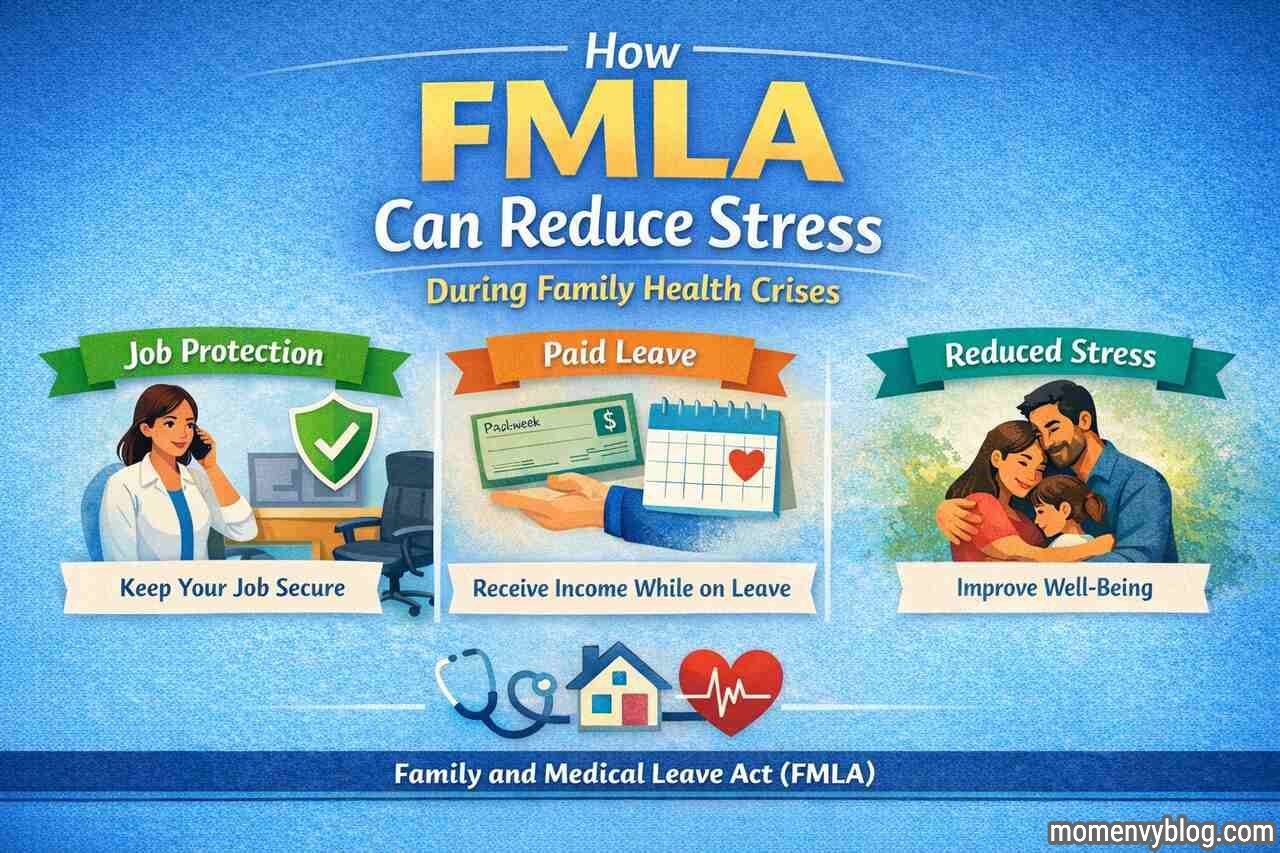
It allows eligible workers to take job protected time away from work for health related reasons. This includes caring for close family members during medical situations.
The purpose is simple. No one should have to choose between their job and their family during a health crisis.
Why Families Need Protected Time Off
Health crises require presence.
Appointments, recovery care, and emotional support all take time. Trying to fit these needs around a full work schedule often leads to mistakes and burnout.
Protected time off allows families to focus on what matters most.
How Stress Affects Decision Making
High stress reduces clarity.
When you are overwhelmed, it becomes harder to make good decisions. You may forget steps, miss details, or feel frozen by fear.
Removing work pressure helps restore focus and calm.
Understanding FMLA in Practical Terms
Many people hear about FMLA but do not fully understand it.
They are unsure how it applies, how long leave lasts, or what is required. This uncertainty adds stress during already difficult times.
Learning how does FMLA work can help you understand your options before stress takes over. Clear knowledge allows you to plan instead of panic.
Caring for Parents, Partners, or Children
Family health crises look different for everyone.
Some people care for aging parents. Others support partners through illness. Parents may need time to care for sick children.
FMLA covers these caregiving needs when they affect your ability to work.
This protection matters.
Mental Health During Family Health Crises

Caring for a sick loved one affects mental health.
Anxiety, sadness, and emotional fatigue are common. Trying to suppress these feelings while working full time can increase stress.
FMLA allows space to process emotions and seek support when needed.
Mental health deserves care too.
Why Early Action Helps Reduce Stress
Waiting often makes things worse.
People hope the crisis will pass quickly. They try to manage everything at once. This approach increases exhaustion and emotional strain.
Using FMLA earlier can prevent burnout and reduce long term stress.
Talking to Employers During Difficult Times
These conversations can feel intimidating.
You do not need to share every detail. You only need to explain that a family health issue requires time away.
Most employers appreciate clear communication and planning.
Early conversations reduce tension later.
Documentation and Peace of Mind
Documentation helps formalize leave.
It confirms the need for time off and protects your position. Having this in place allows you to focus on family without constant worry about work.
Peace of mind matters during crises.
Reducing Guilt Around Taking Leave
Many people feel guilty stepping away from work.
They worry about coworkers and responsibilities. Remember this. Caring for family is not a failure.
It is part of being human.
Guilt only adds unnecessary stress.
How FMLA Supports Long Term Stability
Ignoring stress does not make it disappear.
Unmanaged stress can lead to health problems, extended absences, or job loss. FMLA helps prevent this by allowing people to address crises properly.
Stability benefits both employees and employers.
Returning to Work After a Crisis
Returning to work after a family health crisis can feel emotional.
You may feel changed. You may worry about catching up. Many people find that returning after proper time away feels more manageable.
Some employers offer flexible return options.
Teaching Families About Healthy Boundaries

Using FMLA shows children and loved ones that health comes first.
It teaches that rest, care, and boundaries matter. These lessons build healthier family habits.
Boundaries protect wellbeing.
When to Ask for Help
If the process feels confusing, ask questions.
Human resources teams can explain steps. Healthcare providers can guide documentation.
You do not need to figure everything out alone.
Preparing for Future Crises
No one wants to think about future health issues.
But understanding your options ahead of time reduces fear. Preparation gives you confidence during uncertainty.
Knowledge reduces stress.
Final Thoughts
Family health crises are some of the most stressful moments people face.
FMLA exists to reduce that stress by providing job protection when it matters most. Understanding how it works allows you to focus on care instead of fear.
Work can wait during a crisis.
Family cannot.
Knowing your rights helps you protect both.

