






(Quick Summary for Busy Moms)
Baby teeth may be tiny, but they play a huge role in your child’s growth. Most babies get their first tooth around 6 months, but anywhere from 4–12 months is normal. Teething can cause drooling, fussiness, chewing, and sleep disruptions but high fever, severe rash, or diarrhea are not typical and should be checked. Start brushing as soon as the first tooth appears using a rice-grain–sized smear of fluoride toothpaste. Avoid teething gels, amber necklaces, or frozen-solid teethers. I strongly recommend visiting a pediatric dentist by the time your child turns one to help prevent early tooth decay, especially if your baby still uses bottles or pacifiers. If I were you, I’d also take a little time to look up a complete kids’ dental care guide so you feel confident you’re doing the best for your child’s oral health. Baby teeth matter for speech, nutrition, and guiding adult teeth so caring for them early sets your child up for a lifetime of healthy smiles.
What Are Baby Teeth & Why They Matter?

As moms, we often hear “they’re just baby teeth,” but any pediatric dentist will gently remind you: baby teeth are incredibly important.
Baby teeth (also called primary teeth) start forming during pregnancy and begin to erupt in the first year of life. Your child will eventually have 20 baby teeth 10 on top, 10 on bottom.
Why baby teeth matter more than most people think:
• They help babies chew and learn to enjoy new foods
• They support clear speech development
• They guide adult teeth into proper position
• They hold space in the jaw for permanent teeth
• They help shape your child’s face
• They build confidence in smiling and social interaction
Even though baby teeth fall out, they stay in the mouth for 6–12 years, depending on the tooth. That’s a long time to keep them healthy.
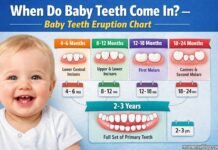
Baby Teeth Eruption Chart (Month-by-Month Timeline)
Every child is unique, so don’t panic if your baby doesn’t follow the “perfect” order. Here’s a mom-friendly month-by-month guide.
Birth–4 Months
• Teeth are forming under the gums
• No eruption yet (totally normal)
4–7 Months — First Teeth Appear
Usually the bottom front teeth (lower central incisors) come first.
8–12 Months
• Top front teeth erupt
• Followed by lower lateral incisors
12–16 Months
• First molars appear (these help with chewing)
16–20 Months
• Canines (pointy “fang” teeth)
20–33 Months
• Second molars erupt (the last baby teeth)
Most toddlers have a full set of 20 baby teeth by around age 3.
When Each Tooth Appears (Simple Chart for Parents)

Central incisors: 6–10 months
Lateral incisors: 9–13 months
First molars: 13–19 months
Canines (cuspids): 16–23 months
Second molars: 23–33 months
Remember: Earlier or later is usually still normal. Genetics play a huge role.
Delayed Teething When Should Moms Worry?

Most “late teethers” are perfectly healthy. Some babies don’t get a single tooth until 12–15 months, and that can be completely normal.
When delayed teething is NOT a concern:
• Baby is growing normally
• No signs of nutritional deficiencies
• Family history of late teething
When delayed teething may need an evaluation:
• No teeth by 18 months
• Baby has trouble gaining weight
• Very small or underdeveloped jaw
Signs of endocrine or metabolic conditions (rare)
If something feels “off,” trust your mom instinct and ask a pediatric dentist — but most of the time late teething is simply a normal variation.
Signs & Symptoms of Teething
Teething can look very different from baby to baby. Some breeze through with barely a fuss; others seem to feel every tiny movement under the gums.
Normal Teething Symptoms (Reassuring & Common)
These symptoms are uncomfortable but normal:
• Drooling (sometimes buckets!)
• Chewing on hands, toys, or anything they can grab
• Red or puffy gums
• Fussiness or clinginess
• Mild sleep disruptions
• Slightly increased temperature (not a fever)
• Minor facial rash from drool
• Reduced appetite for solids
These signs usually come and go, sometimes weeks before a tooth pops through.
Teething Red Flags (Not Normal)
These are not caused by teething and should be evaluated:
• Fever above 100.4°F (38°C)
• Diarrhea or vomiting
• Rashes on the body
• Severe swelling of the gums
• Bleeding that doesn’t stop
• Baby seems unusually lethargic
If something seems more intense than “typical teething,” call your pediatrician or pediatric dentist.
Safe Teething Remedies Moms Can Use
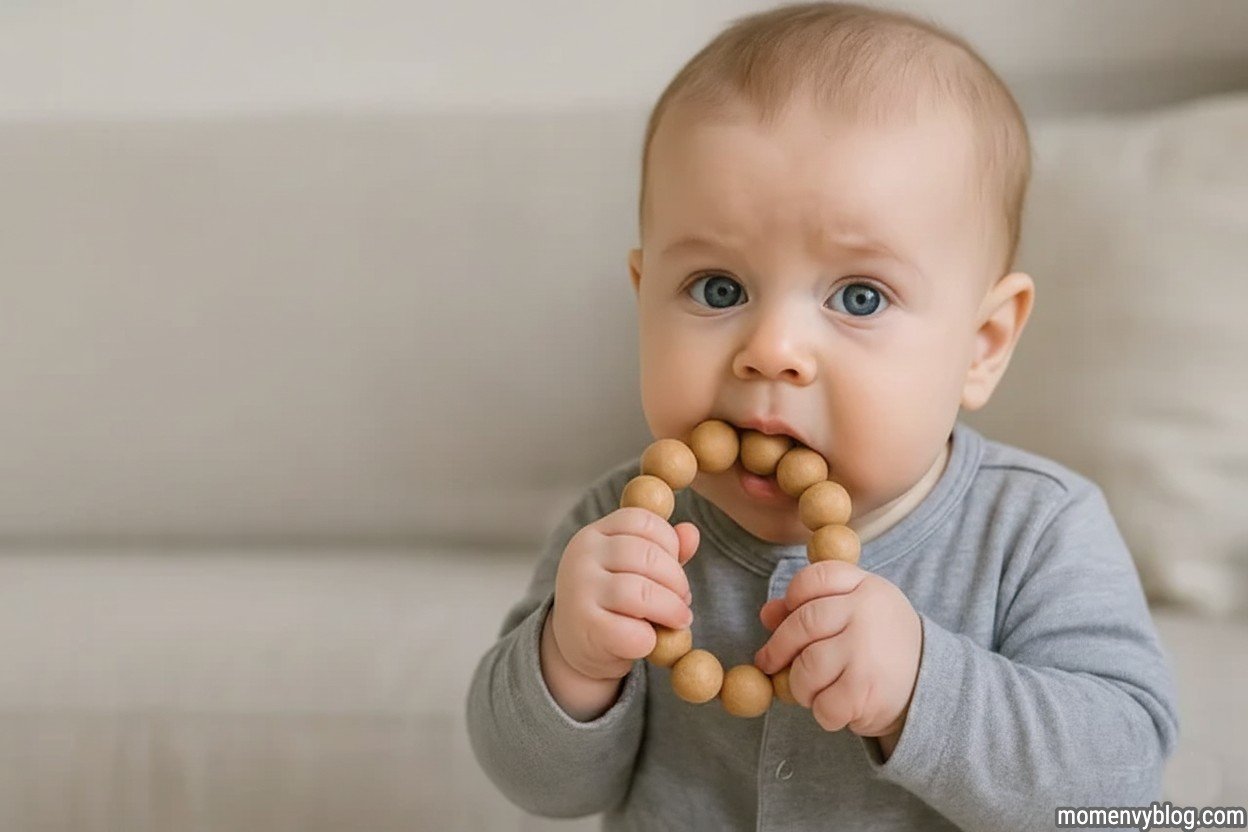
Many moms want safe, soothing options — and thankfully, science-backed choices do exist.
Dentist-Approved Teething Remedies (Safe & Effective)
1. Chilled (Not Frozen Solid) Teethers
Cooling numbs the gums gently. Avoid anything rock-hard.
2. Silicone or Rubber Teething Toys
Choose BPA-free, dishwasher-safe options.
3. Cold Washcloth Chew
Wet a washcloth, chill it, and let baby chew for comfort.
4. Gentle Gum Massage
Use a clean finger to rub the gums in small circles.
5. Extra Cuddles & Comfort
Sometimes comfort is the best medicine.
6. Pain Relief (ONLY When Appropriate)
• Acetaminophen or ibuprofen if recommended by your pediatrician and based on weight
• Never exceed recommended doses
• Never use medicines for routine fussiness
Teething Remedies to Avoid (Risky or Not Effective)
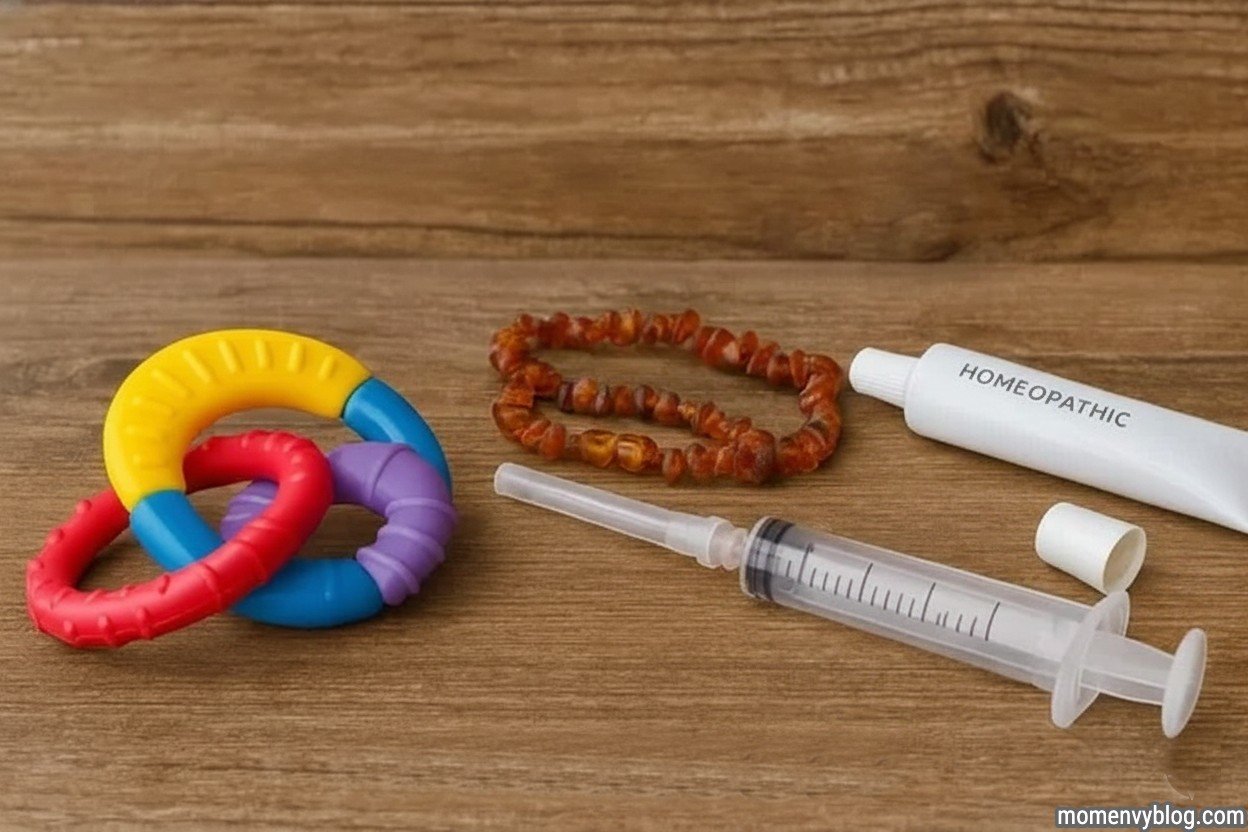
Please avoid these — they’re not safe for babies.
❌ Frozen-solid teethers
Too hard and can damage gums.
❌ Amber teething necklaces
Strangulation and choking risk — not medically supported.
❌ Topical numbing gels (benzocaine, lidocaine)
Dangerous for babies and not effective.
❌ Teething tablets with belladonna
FDA warnings issued; unsafe ingredients.
❌ Clove oil or essential oils
Too harsh for baby gums.
❌ Honey on gums
Risk of botulism in babies under 1.
If you’re ever unsure, ask before trying — pediatric dentists are always happy to help.
When Should You Start Brushing Baby Teeth?

The moment that first tooth appears — brushing begins.
Even one little tooth can develop cavities.
Tools Needed: Toothbrush & Toothpaste
Baby Toothbrush
Choose:
• Soft bristles
• Small head
• Easy handle or finger toothbrush for early months
Toothpaste
Yes, babies need fluoride toothpaste — but only a tiny amount.
• Under age 3: size of a grain of rice
• Age 3+: size of a pea
Fluoride strengthens enamel and prevents early childhood caries.
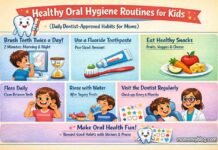
Brushing Routine by Age
0–6 Months
• Wipe gums with a soft cloth once daily
• No toothpaste needed until teeth erupt
6–12 Months
• Brush twice a day with rice-grain smear of fluoride toothpaste
• Make brushing playful and short
1–3 Years
• Brush morning and night
• Parents must do the brushing — toddlers aren’t coordinated enough
3–6 Years
• Continue fluoride toothpaste
• Begin teaching them to spit
• Parents still supervise closely
Bottle Feeding, Pacifiers & Habits Affecting Baby Teeth
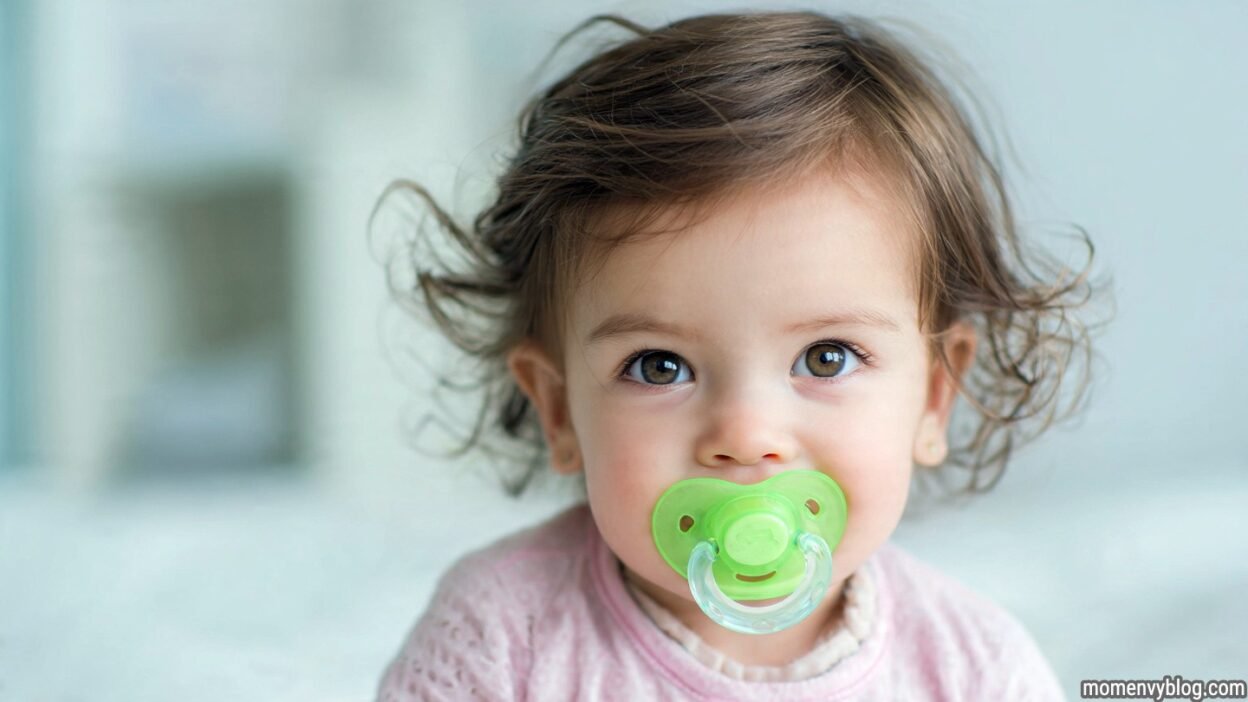
Baby Bottle Tooth Decay — Causes & Signs
Also called Early Childhood Caries (ECC).
Causes:
• Going to sleep with a bottle of milk, juice, or formula
• Frequent sipping throughout the day
• High-sugar drinks
• Poor brushing habits
Early Signs:
• White chalky spots on front teeth
• Brown staining
• Sensitivity
• Teeth breaking easily
If you notice any of these changes, schedule a dental checkup immediately — early treatment prevents major problems.
Pacifier Use — The Good, The Bad & When to Stop
The Good:
• Reduces risk of SIDS when used at sleep
• Soothes fussiness
• Helps babies self-regulate
The Bad:
• Prolonged use may affect tooth alignment
• Can contribute to open bite or crossbite after age 3
When to Stop:
• Ideally by age 2–3
• Gradual weaning works best
• Choose orthodontic pacifiers if using long-term
Thumb Sucking — When It Becomes Harmful
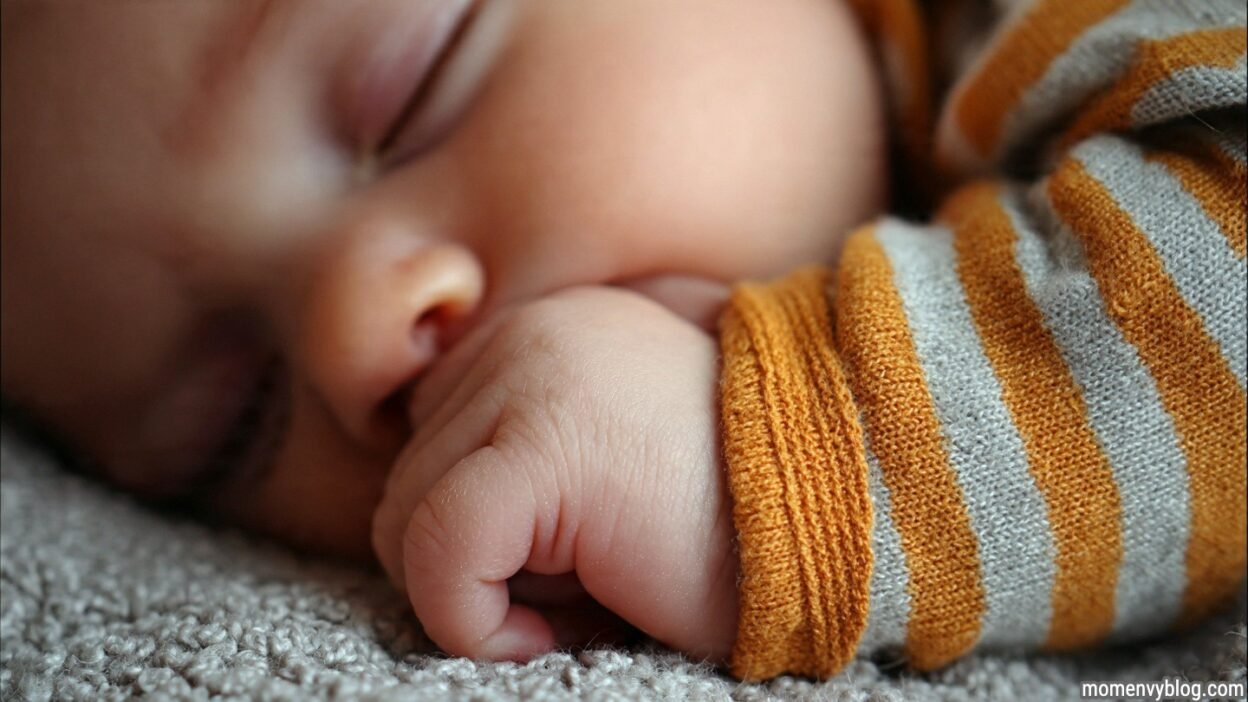
Thumb sucking is normal and comforting. Most kids naturally stop by ages 2–4.
When it’s a problem:
• Sucking past age 4
• Very intense sucking
• Visible changes in bite or palate shape
A pediatric dentist can guide gentle habit-breaking strategies.
Common Baby Teeth Problems

Even with excellent care, babies can experience dental issues. Here are the most common:
1. Teething Discomfort
Normal and temporary.
2. Early Childhood Caries
Caused by prolonged bottle use or poor brushing.
3. Enamel Hypoplasia (Weak Enamel)
Some babies are born with thin enamel; requires early monitoring.
4. Teething Cysts
Blue-ish bumps over erupting teeth — usually harmless.
5. Tongue-Tie or Lip-Tie
May affect feeding; sometimes requires evaluation.
6. Trauma to Baby Teeth
Toddlers fall a lot. Chipped or displaced baby teeth should be checked ASAP.
When to Take Your Baby to the Dentist

The American Academy of Pediatric Dentistry recommends:
👉 First dental visit by age 1 OR within 6 months of the first tooth erupting.
You should also schedule a visit if:
• Baby teeth look discolored
• You see white spots
• Baby has persistent bad breath
• Your child experiences tooth pain
• There was a fall or mouth injury
• You suspect lip or tongue tie
Early visits build familiarity and prevent fear.
The Truth About Teething: Everything Parents Need to Know!
FAQs (10+ Questions Moms Ask All the Time)
1. My baby is 10 months and still has no teeth. Is that normal?
A: Yes. Some babies don’t get teeth until 12–15 months.
2. Does teething cause fever?
A: No high fevers. Mild warmth only. Fever >100.4°F means illness.
3. When should I stop nighttime bottles?
A: By around 12 months to prevent decay.
4. Can breastfed babies get cavities?
A: Yes — especially if nursing frequently overnight without brushing.
5. What if my baby hates brushing?
A: Make it fun: songs, mirrors, letting them hold a second brush, or brushing in your lap.
6. Are sippy cups okay?
A: Use only as a transition, and avoid constant sipping of milk or juice.
7. Do baby teeth need fillings?
A: Yes, if the cavity is active. Untreated decay can lead to infection or pain.
8. Should I use fluoride toothpaste?
A: Yes in tiny, age-appropriate amounts.
9. Are natural teething gels safe?
A: Most are not. Many contain essential oils or herbs unsafe for infants.
10. How often should babies see the dentist?
A: Every 6 months starting at age 1.
11. Can pacifiers be used at night?
A: Yes. They may reduce SIDS risk. Avoid dipping in sweeteners.
12. Do wiggly baby teeth hurt?
A: When baby teeth fall out naturally, there’s minimal discomfort.
Motherly Reassurance Conclusion
Mama, you’re doing an amazing job — even when it feels chaotic, messy, or uncertain. Teething can be exhausting, brushing can be a battle, and baby habits can feel overwhelming. But you’re guiding your little one through such an important stage, and every tiny tooth is part of their growing world.
As a mom and an expert, I promise you this: most baby tooth issues are manageable, treatable, and completely normal. With gentle routines, safe remedies, and regular checkups, your baby’s smile will thrive for years to come.
You’ve got this — and you’re not alone on this journey.