





Highlights
Kids experience many common dental issues as they grow from teething and tooth sensitivity to cavities, gum problems, chipped teeth, and delayed eruption. Most of these problems are normal, treatable, and preventable with good oral hygiene, healthy habits, and early dental visits. Moms should watch for symptoms like pain, swelling, discoloration, difficulty eating, bad breath, or loose teeth that seem “too early.”
Babies, toddlers, preschoolers, and school-age kids all face different dental challenges, so age-specific care is important. Safe home care includes cold compresses, soft foods, saltwater rinses for older kids, and approved pain relief when necessary never use numbing gels, essential oils, or viral “DIY” hacks. Seek a pediatric dentist early for persistent pain, fever, swelling, trauma, or visible spots on teeth. With early prevention, consistent brushing, fluoride use, balanced nutrition, and safe habits, you can protect your child’s smile through every age and milestone.
Introduction
As a mom, I know how stressful it can feel when something seems “off” with your child’s teeth. One day your toddler is happily chewing a snack, and the next they’re refusing food, tugging at their mouth, or waking up at night for reasons you can’t quite figure out. Most moms tell me the same thing in the office: “I just didn’t know what was normal and what wasn’t.” And honestly? You shouldn’t have to guess.
Children’s mouths change quickly new teeth erupt, baby teeth fall out, habits develop, and little accidents happen (usually on the coffee table corner). These changes can lead to a range of common kids’ teeth problems, from baby tooth decay to tooth sensitivity, gum inflammation, and even delayed eruption. The good news is that most issues are preventable, treatable, and far less scary than they seem.
This guide gives you a clear, calm, mom-friendly overview of all the major dental problems babies, toddlers, and kids commonly experience. It explains causes, quick symptom checks, when to relax, and when to call your pediatric dentist. It’s also designed to gently guide you to more in-depth articles, so you can learn more about kids’ dental care at your own pace, without ever feeling overwhelmed.
Take a deep breath you’re in the right place. With a little knowledge and early care, you can protect your child’s smile from day one.
What Are the Most Common Teeth Problems in Babies, Toddlers & Kids?

Here are the core dental issues most parents encounter. These descriptions stay brief on purpose each will lead to a deeper article in your cluster.
- Baby Teething Discomfort
Inflamed gums, drooling, chewing, and irritability as new teeth erupt.
- Early Childhood Caries (Baby Bottle Tooth Decay)
Decay caused by frequent exposure to sugary liquids, bedtime bottles, or inadequate brushing.
- Tooth Sensitivity
Discomfort with cold foods, brushing, or sweet snacks often linked to enamel defects or early cavities.
- Delayed Tooth Eruption
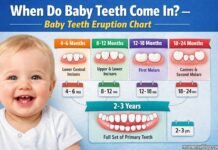
Baby teeth coming in later than expected; often normal but occasionally a sign of developmental or nutritional issues.
- Over-Retained Baby Teeth
A baby tooth that refuses to fall out even after the permanent tooth is coming in behind or above it (“shark teeth”).
- Tooth Discoloration
White spots, yellowing, brown staining, or gray color after trauma.
- Chipped or Fractured Teeth
Very common with toddlers especially after falls or playground injuries.
- Gingivitis in Children
Red, swollen, or bleeding gums caused by plaque buildup or inadequate brushing.
- Misalignment / Crowding
Teeth erupting crooked or overlapping due to habits, genetics, or jaw size.
- Grinding (Bruxism)
Kids grinding their teeth at night due to stress, teething discomfort, or airway issues.
- Oral Habits (Thumb Sucking, Pacifier Use)
Can affect tooth position and palate development if prolonged.
- Ulcers / Canker Sores
Small painful sores in the mouth; often linked to stress, irritation, or minor injuries.
- Bad Breath in Kids (Halitosis)
Usually from mouth breathing, sinus congestion, or poor oral hygiene.
Symptoms Moms Should Watch For

These symptoms help you determine what kind of problem your child may be experiencing. Think of this as your quick “mom assessment checklist.”
Pain: Sharp pain may indicate cavities or fractures; dull, achy pain is more typical of teething.
Swelling: Gums, cheeks, or jaw swelling can signal infection always worth a call to your pediatric dentist.
Bleeding Gums: Most often due to gingivitis or aggressive brushing; occasionally tied to eruption.
Difficulty Chewing or Eating: Kids avoiding crunchy foods may be signaling sensitivity, cavities, or sore gums.
Bad Breath: Persistent halitosis often points to gum problems, mouth breathing, or tooth decay.
White, Brown, or Black Spots on Teeth:
White spots → early enamel demineralization
Brown → developing decay
Black → advanced decay or staining
Loose Teeth (Too Early): Premature looseness may indicate trauma or gum disease not just normal exfoliation.
Fever + Mouth Pain: While teething causes mild temperature rise, true fever usually indicates infection, not teething.
Is It Teething or a Real Dental Issue?

Teething typically includes: mild fussiness, drooling, chewing, gum swelling.
Dental issues include: persistent pain, fever, visible spots, refusal to eat, foul odor.
If the symptoms seem more intense than “typical teething,” trust your instincts.
Causes of Kids’ Teeth Problems (Age-Grouped)
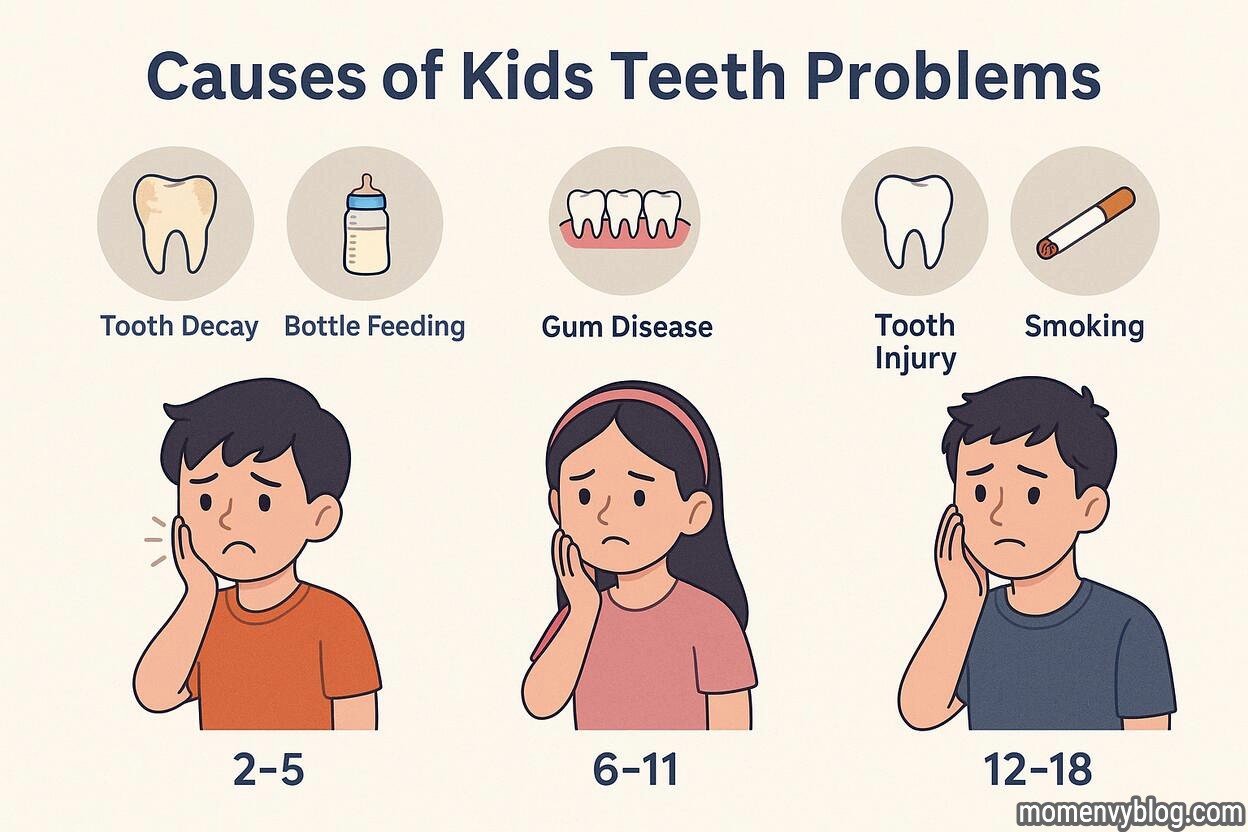
Dental issues often change depending on your child’s stage of development. Here’s what typically causes problems at each stage.
Babies (0–12 Months)
- Teething inflammation
- Prolonged nighttime bottles
- Beginning signs of early childhood caries
- Oral thrush (sometimes confused with “spots” on teeth)
- Tongue-tie impacting feeding
- Natural enamel variations
Babies are in a rapid growth stage, so small changes can look dramatic.
Toddlers (1–3 Years)
This is the “trouble age” for dental injuries and decay.
Common causes include:
- Running/falling with objects in mouth
- Beginning sugary snacks and juices
- Bottle-to-cup transition issues
- Thumb sucking and pacifier dependence
- Irregular brushing routines
- Early enamel defects becoming noticeable
This age group has the highest risk of baby tooth decay.
Preschoolers (3–5 Years)
Many moms assume this stage is easier but new issues appear:
- Grinding (bruxism)
- Gum inflammation due to beginning independence with brushing
- Crowding or misalignment signs
- Dark spots developing into cavities
- Canker sores
- Mouth breathing habits affecting oral health
Preschoolers want independence, but still lack coordination to brush thoroughly.
School-Age Kids (6–12 Years)
This is when permanent teeth erupt and new problems emerge:
- Tooth sensitivity from new adult teeth
- Over-retained baby teeth
- Crooked or rotated teeth
- Sports injuries and chipped permanent teeth
- Early gum problems
- Increased cavity risk due to diet and brushing independence
- Bruxism related to stress or poor sleep
Growth patterns differ significantly, so dental monitoring becomes very important.
When to See a Pediatric Dentist (Clear Warning Signs)

You should always trust your instincts, but here are professional red flags:
- Persistent tooth pain lasting more than 24 hours
- Swelling in the gums, cheek, or jaw
- Fever + mouth pain
- Visible white, brown, or black spots
- Chipped or fractured tooth
- Bleeding gums not related to brushing
- A baby tooth not falling out while an adult tooth is coming in behind it
- Bad breath that doesn’t improve
- Injury to the mouth or face
- A tooth suddenly turning gray (often trauma)
If something feels off, a quick checkup is always safer than waiting.
Prevention Guide for All Ages

Prevention is the cornerstone of healthy smiles. Here’s what works at each stage of childhood.
Daily Oral Hygiene Routines
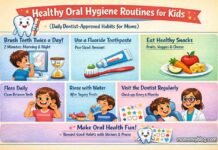
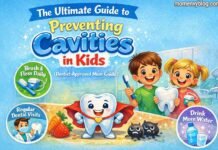
- Brush twice daily
- Parents brush for kids until at least age 6–7
- Floss once teeth touch
- Replace toothbrushes every 3 months
Age-Appropriate Brushing
- Babies: soft cloth or infant brush
- Toddlers: rice-grain amount of fluoride toothpaste
- Preschoolers: pea-sized amount
- School-age: full brushing independence only after skill is proven
Fluoride Use
Fluoride is safe and protects enamel:
- Tap water if fluoridated
- Fluoride toothpaste
- Fluoride varnishes during dental visits
Dietary Tips
- Limit juice and sticky snacks
- Encourage water between meals
- Cheese, yogurt, and crunchy veggies help clean teeth
- Avoid grazing all day frequent snacking increases cavity risk
Bottle and Pacifier Habits
- No bottles in bed
- Transition to cup by 12–15 months
- Stop pacifier use by age 2–3
- Avoid dipping pacifiers in anything sweet
Injury Prevention
- Use mouthguards for sports
- Keep furniture edges padded for toddlers
- Discourage running with objects in the mouth
Prevention is a team effort — and you’re already doing more than you realize.
Quick Solutions & Home Care Tips (Safe Only)
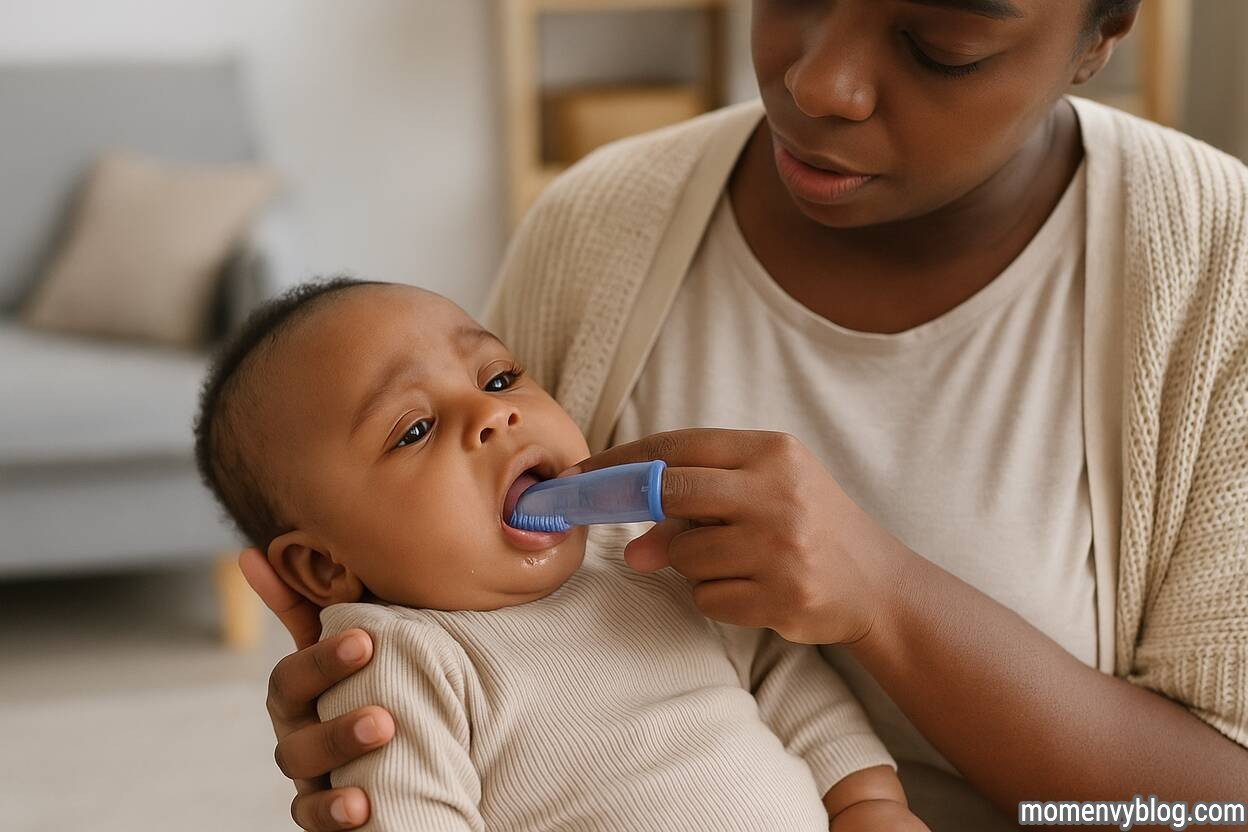
Safe Comfort Measures
- Cold compress for bumps or swelling
- Cold teething toys (not frozen solid)
- Saltwater rinse (for kids older than 6 who can spit)
- Soft foods when mouth is sore
- OTC pain relievers only as recommended by your pediatrician
Conditionally Safe
- Clove oil — ONLY for older kids/teens and very diluted
(never for babies or toddlers)
Never Use
- TikTok dental hacks
- Benzocaine numbing gels
- Harsh essential oils on gums
- Aspirin placed directly on gums
- Home whitening products for kids
Your child’s mouth is delicate simple is safest.
Tooth Decay: Symptoms, Causes, Treatment, and Prevention
Conclusion
Mama, if you’ve made it this far, give yourself a moment to breathe. Kids’ dental health can feel confusing, especially when every stage brings new changes teething pain, loose teeth, wiggly smiles, little injuries, big emotions. But you’re not meant to navigate this alone.
Most childhood dental problems are incredibly common, deeply treatable, and often preventable with early habits. A little consistency, a little guidance, and a supportive pediatric dental team can make the journey so much easier.
You’re doing a wonderful job caring for your child’s growing smile and this guide will always be here as your go-to reference whenever something new pops up.
FAQs
Q: What is the most common tooth problem in kids?
A: Early childhood cavities are the most common, especially between ages 1–4.
Q: How do I know if my toddler has a cavity?
A: Look for white or brown spots, sensitivity, or avoiding certain foods.
Q: What should I do if my child chips a tooth?
A: Save the piece if possible, rinse their mouth, and call your pediatric dentist.
Q: Do kids get tooth sensitivity?
A: Yes — especially when new adult teeth erupt or if enamel is thin.
Q: When is tooth eruption considered delayed?
A: If no teeth by 12–15 months or if permanent teeth don’t erupt on time.
Q: Is grinding (bruxism) in kids normal?
A: Often yes in preschoolers, but persistent grinding may signal airway issues or stress.
Q: My child’s gum is bleeding. Should I worry?
A: Most often it’s gingivitis from brushing challenges. Improve hygiene and monitor.
Q: Why does my child have bad breath?
A: Usually from mouth breathing, sinus congestion, or plaque buildup.
Q: Can kids get gum disease?
A: Yes — mild gingivitis is common and reversible.
Q: Should I worry about “shark teeth”?
A: Over-retained baby teeth are common and simple to treat.
Q: What causes tooth discoloration in kids?
A: Decay, trauma, weak enamel, or staining from foods.
Q: Do baby teeth really need fillings?
A: Absolutely — untreated decay can lead to infection and pain.
Q: Why are my child’s new adult teeth yellow?
A: Adult teeth naturally look more yellow compared to baby teeth.
Q: Can pacifiers or thumb sucking affect teeth?
A: Prolonged habits can lead to misalignment or bite problems.
Q: Should kids use fluoride toothpaste?
A: Yes — in age-appropriate amounts. It protects against cavities.