





Kids dental care starts earlier than most parents expect often before the first tooth appears. Healthy baby teeth support speech, nutrition, confidence, and the proper development of adult teeth. Daily oral hygiene, smart nutrition habits, and regular visits to a pediatric dentist help prevent cavities and other common teeth problems in children. This guide gives you a clear, reassuring overview of what your child’s teeth need from babyhood through the pre-teen years without overwhelm or judgment.
Why Kids Dental Care Matters (More Than Just Teeth)

Most moms are surprised to learn that kids’ dental care affects far more than a smile.
Baby teeth may be temporary, but they play a permanent role in your child’s health and development.
Baby Teeth Are Important Because They Help With:
Speech development
Teeth help children pronounce sounds clearly. Missing or painful teeth can delay speech or cause articulation problems.
Chewing and nutrition
Healthy teeth allow kids to chew fruits, vegetables, and proteins comfortably. Dental pain often leads to picky eating and poor nutrition.
Confidence and social comfort
Children become aware of their smiles earlier than we think. Dental issues can affect confidence, especially in school-age kids.
Guiding adult teeth into place
Baby teeth hold space for permanent teeth. Losing them too early can lead to crowding, crooked teeth, or orthodontic problems later.
Overall health
Oral infections don’t stay confined to the mouth. Untreated cavities can affect sleep, growth, focus, and even general health.
This is why pediatric dentists focus on prevention, not just fixing problems.
Kids’ Teeth Development: A Simple Overview
👉 Read the complete Baby Teeth Guide for Parents

Understanding how kids’ teeth develop helps moms know what’s normal and when to ask questions.
Baby Teeth (Primary Teeth)
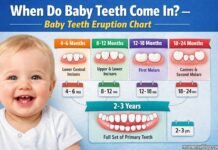
Most children develop 20 baby teeth.
They usually begin appearing around 6 months of age and finish erupting by age 3.
Baby teeth:
- Are smaller and whiter than adult teeth
- Have thinner enamel (making them more cavity-prone)
- Fall out gradually between ages 6–12
Permanent Teeth
Permanent teeth start coming in around age 6, beginning with the first molars (often mistaken for baby teeth).
Most children will have:
- A mix of baby and adult teeth between ages 6–12
- Most permanent teeth in place by early teens
Every child follows their own timeline. Early or late tooth eruption is often normal.
Common Kids’ Teeth Problems (What Moms Often Notice)

Almost every child experiences some type of dental issue growing up. The key is recognizing early signs and knowing when to act.
Here’s a high-level look at the most common teeth problems in children:
- Cavities (tooth decay) – the most common chronic childhood condition
- Teething discomfort – especially in babies and toddlers
- Tooth sensitivity – pain with cold, sweet, or brushing
- Gum problems – redness, swelling, or bleeding
- Chipped or broken teeth – often from falls or sports
- Teeth grinding (bruxism) – usually during sleep
- Delayed tooth eruption – teeth coming in later than expected
Each of these topics deserves its own detailed guide.
Helpful next step: Common Kids’ Teeth Problems: Signs, Causes, and What to Do
Daily Oral Hygiene for Kids (By Age)

One of the most common questions moms ask is:
“Am I doing enough for my child’s teeth?”
Daily oral hygiene doesn’t have to be complicated it just needs to be age-appropriate.
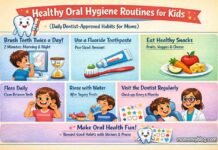
Babies (0–12 Months)
- Gently wipe gums with a clean, damp cloth
- Begin brushing when the first tooth appears
- Use a smear of fluoride toothpaste (about the size of a grain of rice)
Toddlers (1–3 Years)
- Brush twice daily with help
- Use a soft-bristled toddler toothbrush
- Encourage spitting, but don’t worry if they swallow toothpaste
Preschoolers (3–5 Years)
- Continue supervised brushing
- Introduce flossing if teeth touch
- Make brushing fun with songs or routines
School-Age Kids (6–12 Years)
- Brush twice daily for 2 minutes
- Floss daily
- Gradually give independence while checking technique
Nutrition & Habits That Affect Kids’ Teeth

What kids eat and how often matters just as much as brushing.
Sugar & Snacking
Frequent snacking keeps acid on teeth longer.
It’s not just candy crackers, juice, and dried fruit can also feed cavities.
Helpful tips:
- Offer water between meals
- Keep sugary foods with meals instead of snacks
- Avoid sipping juice throughout the day
Bottle Feeding & Sippy Cups
- Avoid putting babies to bed with bottles containing milk or juice
- Transition from bottles by age 1
- Encourage open cups when developmentally ready
Pacifiers & Thumb Sucking
These habits are common and comforting in early childhood.
- Usually harmless before age 3–4
- Prolonged habits may affect tooth alignment
A pediatric dentist can guide gentle habit-breaking when needed.
The First Dental Visit & Regular Checkups
Many moms worry about when and how to start dental visits.
When Should Kids First See a Dentist?
The recommendation is:
By the first birthday or within 6 months of the first tooth
Early visits:
- Build comfort and trust
- Catch issues before they become painful
- Teach parents proper oral care
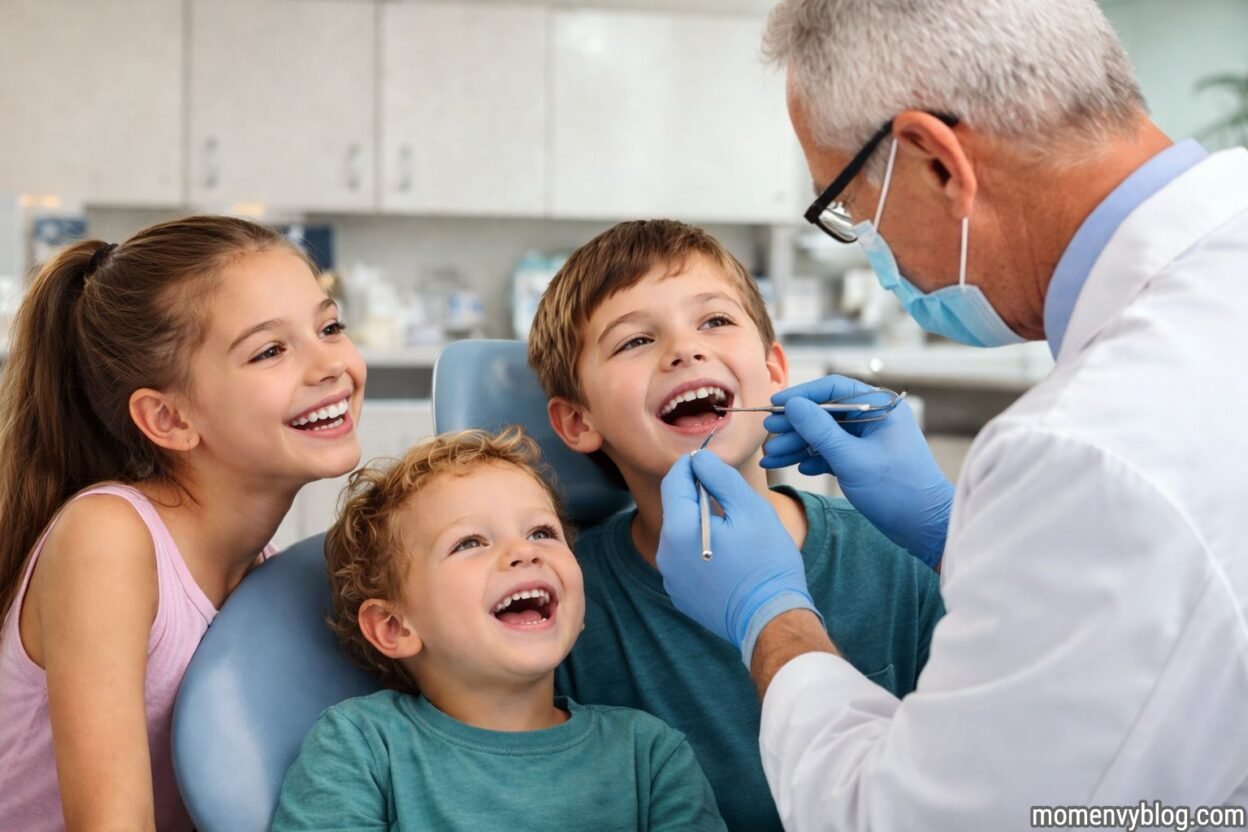
What Happens at a Pediatric Dental Visit?
- Gentle exam of teeth and gums
- Growth and development check
- Cleaning (when appropriate)
- Parent guidance and reassurance
How to Prepare Your Child
- Use positive language
- Avoid words like “hurt” or “shot”
- Read books or watch friendly videos about dental visits
How to Prevent Dental Problems in Kids
Prevention is where moms have the most power.
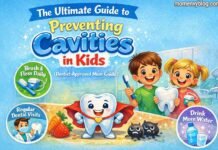
Key Prevention Strategies
- Brush twice daily with fluoride toothpaste
- Floss once teeth touch
- Limit sugary snacks and drinks
- Keep regular dental checkups
- Use mouthguards for sports
- Address habits early
Most cavities and gum problems are preventable with consistent care.
Explore Helpful Kids’ Dental Topics
If you’d like to learn more, these guides dive deeper into the most common questions moms ask:
- Baby teeth eruption timelines and what’s normal
- Common teeth problems in children and early warning signs
- Daily oral hygiene routines for kids by age
- Teething pain relief and what’s safe
- Cavity prevention strategies for kids
- Age-by-age dental care checklists
Each topic is written to help you feel confident not overwhelmed.
The Perfect Oral Health Care Routine
FAQs
Q. Are baby teeth really that important?
A. Yes. They support speech, eating, and proper spacing for adult teeth.
Q. When should my child start brushing?
A. As soon as the first tooth appears.
Q. Is fluoride safe for kids?
A. Yes, when used in age-appropriate amounts.
Q. What causes cavities in kids?
A. Bacteria, sugar, frequent snacking, and inadequate brushing.
Q. How often should kids see a pediatric dentist?
A. Every 6 months, unless advised otherwise.
Q. Is thumb sucking bad for teeth?
A. It’s normal in young children; prolonged habits may affect alignment.
Q. Can kids get gum disease?
A. Yes, mild gum inflammation is common and usually reversible.
Q. What if my child refuses to brush?
A. Consistency, routine, and making it fun usually help.
Q. Should kids floss?
A. Yes, once teeth touch.
Q. Are electric toothbrushes okay for kids?
A. Yes, if age-appropriate and supervised.
Q. What foods are best for healthy teeth?
A. Water, dairy, fruits, vegetables, and whole foods.
Q. Can cavities spread?
A. Bacteria can spread, increasing cavity risk in nearby teeth.
Q. Is tooth grinding normal?
A. Common in kids and often temporary.
Q. When do kids lose their first tooth?
A. Around age 6, though timing varies.
Q. What should I do if my child chips a tooth?
A. Contact a dentist for guidance even small chips matter.
Q. How do I know if dental pain is serious?
A. Persistent pain, swelling, or fever should be evaluated promptly.
Q. Are sealants helpful for kids?
A. Yes, especially for cavity-prone molars.
Q. Can dental problems affect school performance?
A. Absolutely pain and poor sleep impact focus and learning.
A Gentle Reassurance for Moms
If you’ve ever worried that you started too late, missed something, or could be doing more — you’re not alone.
Most moms are doing their best with the information they have. Kids’ dental care is a journey, not a checklist you have to perfect overnight. Small, consistent habits truly make the biggest difference.
With routine care, guidance from a pediatric dentist, and a calm, supportive approach at home, your child’s smile can stay healthy and confident for years to come.
You’ve got this — and your child’s teeth are more resilient than you think.