








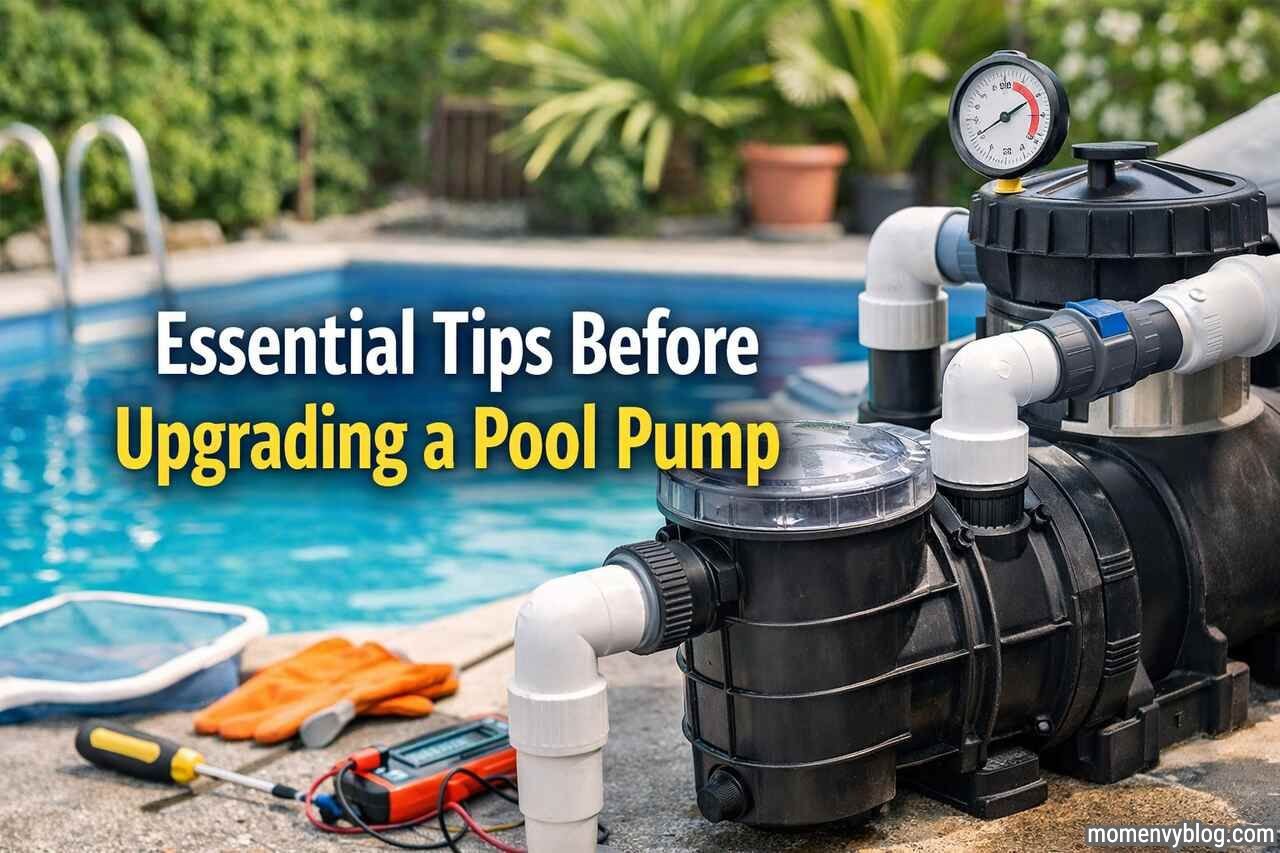
Upgrading a pool pump is an important decision for any pool owner who wants reliable performance and cost efficiency. Whether you are choosing an above-ground pool pump or an in-ground pool pump, the right choice can significantly improve water quality, reduce energy bills, and extend the life of your entire pool setup. A pool pump is the heart of your circulation system, so it’s essential to understand the factors to consider before investing.
Matching Pump Capacity to Pool Size
Choosing the correct pump size is essential for optimal performance. An undersized pump will struggle to circulate water effectively, while an oversized pump wastes energy and puts unnecessary strain on the filter system. Always check the manufacturer’s guidelines to ensure you select the right size. Proper sizing improves efficiency, reduces wear on your equipment, and helps keep your pool clean and healthy.
Considering Variable Speed Options
Variable speed pumps are increasingly popular for their flexibility and energy savings. They allow precise control over flow rates, running at low speed for routine filtration and higher speed for tasks that demand more power.
This adaptability not only saves energy but also prolongs the life of the pump by reducing wear and tear. While variable speed pumps often carry a higher upfront cost, their long-term benefits make them a worthwhile investment for most pool owners.
Professional Installation for a Hassle-Free Experience
Upgrading your pool pump can improve efficiency and reduce energy costs, but proper installation is key to getting the most out of your new system. Some pumps may need special adapters or extra fittings to connect to your existing plumbing, and incorrectly installing them can lead to leaks or reduced performance. By choosing pool builders in Geelong, you can avoid these common issues, ensuring your pump is set up correctly from the start.
Compatibility with Pool Equipment
Before upgrading your pool pump, it’s crucial to ensure it is fully compatible with your existing pool equipment. Some pumps may not operate efficiently with certain heaters, chlorinators, or automated cleaning systems, which can lead to reduced performance or even damage over time. Check the manufacturer’s specifications for flow rate and plumbing connections to ensure your new pump integrates seamlessly with your setup.
Conclusion
Upgrading your pool pump is a significant decision that can enhance performance, reduce energy costs, and improve the longevity of your pool system. By understanding pump basics, considering energy efficiency, pump size, compatibility, and long-term savings, you can make an informed choice. A thoughtful and well-planned upgrade ensures your pool remains clean, comfortable, and efficient for years to come.
Frequently Asked Questions
How is the correct pump size selected for a pool?
The correct size depends on the pool’s volume and desired circulation rate. Undersized pumps struggle to maintain water quality, while oversized pumps waste energy and strain the filtration system.
What advantages do variable speed pumps provide?
Variable speed pumps allow precise control over flow rates. Low-speed operation for daily filtration saves energy, while higher speeds are available for vacuuming or powering water features. This flexibility improves efficiency and extends the pump’s lifespan.
Will a new pump be compatible with existing pool equipment?
It is important to confirm that the pump’s flow rate and plumbing connections align with heaters, chlorinators, and automated cleaning systems. Proper compatibility ensures efficient operation and reduces the risk of equipment damage.
What maintenance is required for a new pool pump?
Maintenance varies by pump type. Single-speed pumps require routine cleaning and seal inspections, while variable-speed pumps may require occasional software updates or professional servicing.
Does the type of pool affect pump selection?
Both above-ground and in-ground pools require pumps suited to their size and circulation needs. Pool volume, filtration system, and additional equipment determine the most appropriate pump type.

