








Extreme weather can expose minor heating and cooling problems at the worst possible time. A clogged filter, a weak capacitor, or an inaccurate thermostat may seem manageable in mild weather but can cause a breakdown when the system runs for hours without a break.
Seasonal checks help your equipment handle heavy demand more reliably. They can also improve comfort, reduce energy waste, and give you time to arrange repairs before local service schedules fill up. That preparation matters during extreme heat, when a working cooling system can be an important part of keeping a household safe.
Why extreme weather strains HVAC equipment
Heating and air conditioning systems work harder during long heat waves and cold snaps. Instead of cycling on and off at regular intervals, the equipment may run almost continuously to maintain the thermostat setting. That extended workload can reveal worn parts, restricted airflow, and low refrigerant levels.
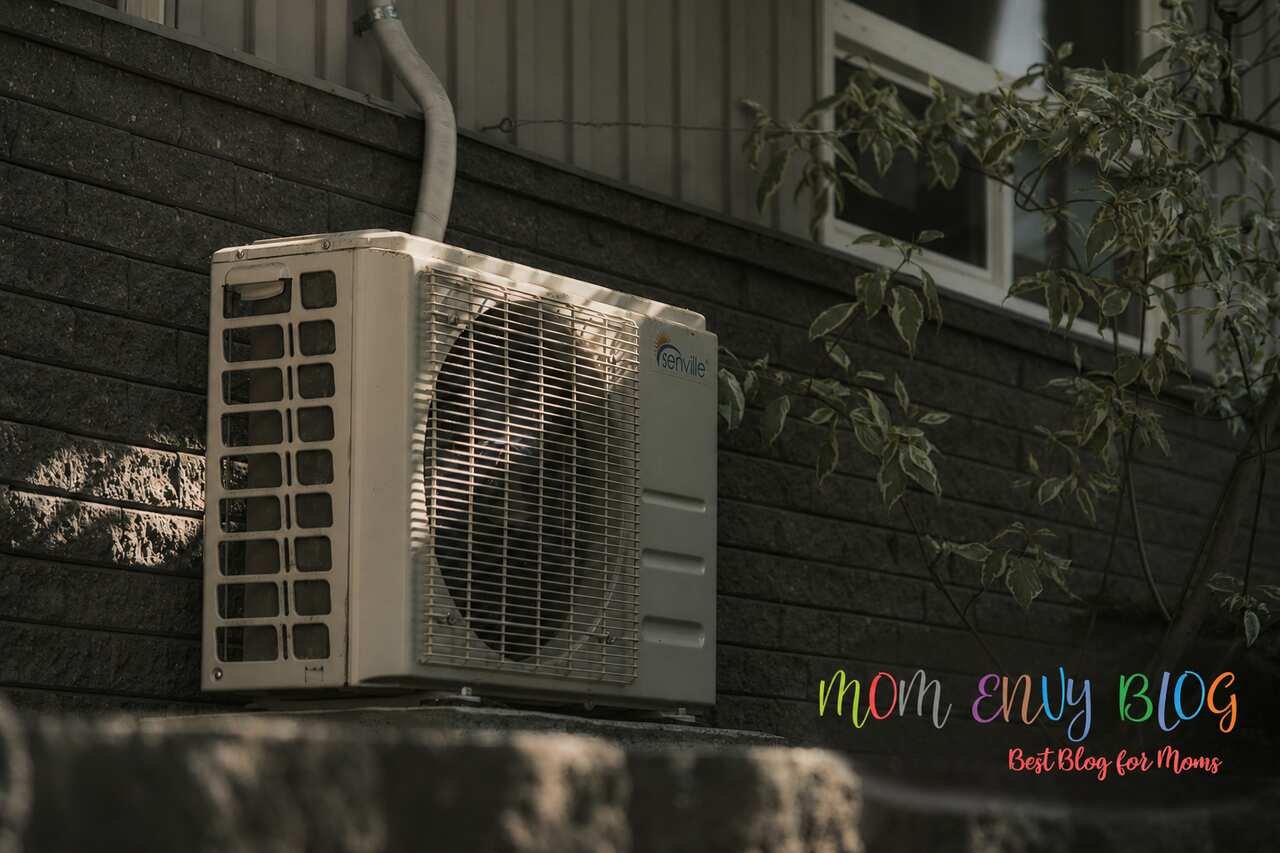
Outdoor conditions also affect performance. Leaves may block a heat pump, ice can build up around an outdoor unit, and windblown debris can collect near vents. Inside the home, closed registers or a dirty filter add even more resistance. Checking these basic areas before severe weather arrives reduces unnecessary strain and helps conditioned air reach each room.
Know when to schedule professional service
Some maintenance tasks are simple enough to handle yourself, but mechanical and electrical problems need trained attention. Schedule service if the system makes unfamiliar noises, produces unusual odors, or repeatedly turns on and off. Uneven temperatures and rising utility bills can also point to a developing fault.
Homeowners in Clayton who need repair, installation, or routine maintenance can contact a local heating HVAC company before seasonal demand peaks. A technician can inspect components that aren’t safely accessible to homeowners, test system operation and identify parts that may fail under sustained use. Booking early also gives you more flexibility if a repair requires a follow-up visit.
Handle the homeowner checks first
Start with the air filter and replace it if it looks gray, dusty, or clogged. Many standard filters need attention every one to three months, though homes with pets, renovation dust, or frequent system use may need shorter intervals. Follow the equipment and filter manufacturers’ guidance.
Next, clear items away from indoor vents and leave enough open space around the outdoor unit for airflow. Check that the thermostat responds correctly and install fresh batteries if the model uses them. If you notice rattling, grinding, or rooms that never reach the set temperature, review these heating system warning signs before deciding what to do next. Don’t remove service panels or attempt electrical repairs yourself.
Prepare for outages and sudden temperature swings
An HVAC check should be part of a broader household weather plan. Sign up for local weather alerts and keep backup phone chargers ready. During cold conditions, know where the main water shutoff is in case a pipe leaks. During a heat wave, close blinds on sunny windows and limit oven use during the hottest part of the day.
If power goes out, keep exterior doors closed to retain the indoor temperature. Never use outdoor cooking or fuel-burning equipment inside the house or garage. Families with infants, older adults or people with medical conditions should also identify a nearby temperature-controlled location they can reach if indoor conditions become unsafe.
Keep records and watch for changes
Write down the date of each filter change, maintenance visit and repair. Keep receipts and inspection notes in a single folder or digital file so you can quickly see the system’s service history. These records are useful when comparing a new noise or performance issue with previous work.
Pay attention to gradual changes between appointments. Longer run times, weak airflow, and unusual humidity may appear before a full breakdown. Compare utility use to the same month in the previous year, accounting for major weather differences. If energy use climbs sharply without a clear explanation, arrange an inspection before the next stretch of severe weather.
A good final check takes only a few minutes: confirm that vents are open, the outdoor unit is clear, and the thermostat is working. Then place the next filter-change date and seasonal service reminder on your calendar, well before the forecast puts your system under pressure.

