






Introduction
Many parents notice their child’s teeth looking a little crooked, spaced out, or “not quite right” and it can feel worrying at first.
Here’s the good news: not all teeth alignment issues mean your child will need braces right away. In fact, some are completely normal during growth.
Your child’s mouth is constantly changing baby teeth fall out, permanent teeth come in, and the jaw develops over time. That’s why early awareness matters more than early panic.
This guide will help you understand what’s normal, what’s not, and when to take action all in a calm, mom-friendly way.
👉 If you’re building a full understanding of your child’s dental health, you may also want to explore our complete kids dental care guide.
What Is Teeth Alignment in Kids?
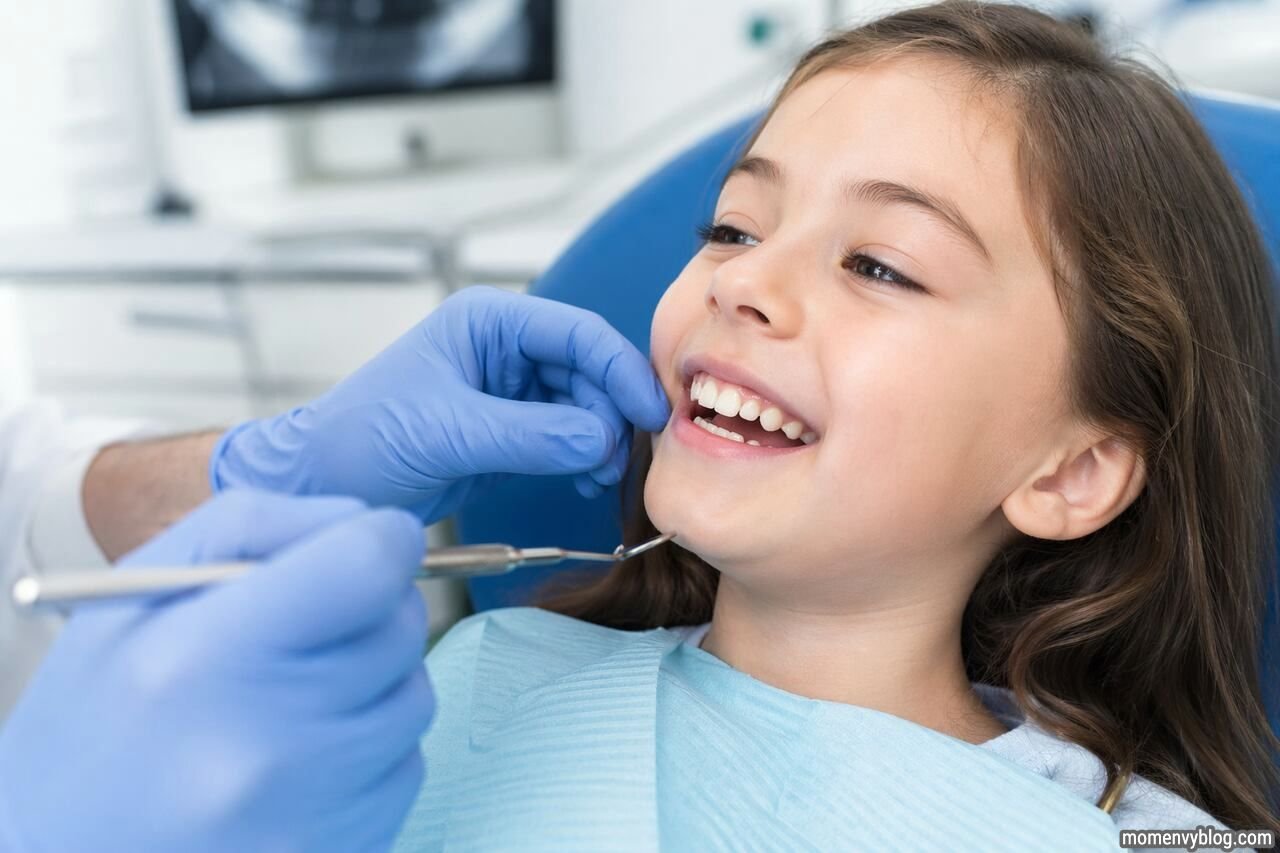
Teeth alignment simply means how your child’s teeth fit together and line up both within each row and between the top and bottom jaws.
Baby Teeth vs Permanent Teeth Alignment
- Baby teeth (primary teeth) often have small gaps and that’s actually a good thing
- These spaces help make room for larger permanent teeth later
- As permanent teeth erupt, alignment becomes more important
Many parents worry when they see gaps or uneven baby teeth, but in most cases:
👉 “It’s completely normal during early childhood.”
Why Early Alignment Matters
Proper alignment helps with:
- Comfortable chewing
- Clear speech development
- Healthy jaw growth
- Easier brushing and cavity prevention
Even though treatment may not start early, early observation helps prevent bigger problems later.
Common Teeth Alignment Problems in Kids
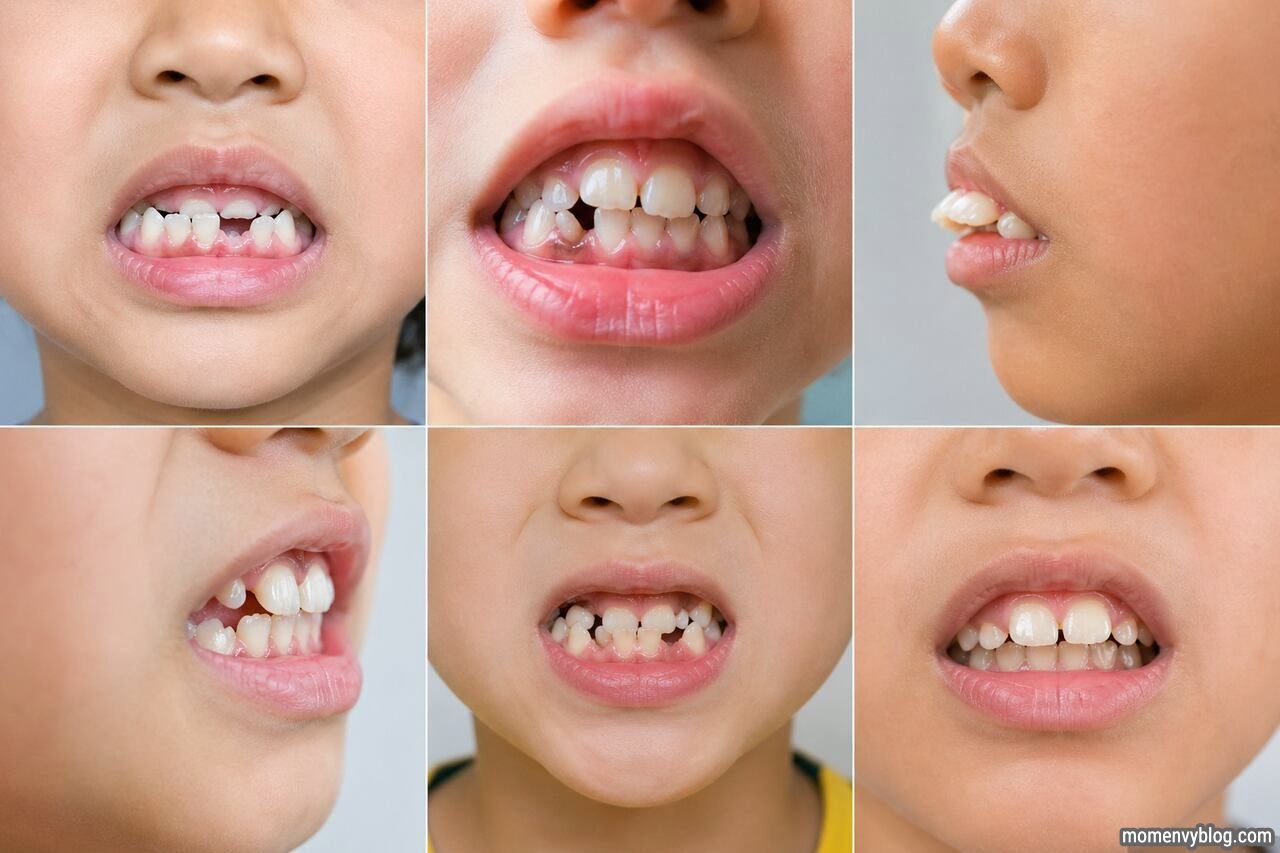
Let’s walk through the most common alignment concerns in a simple, visual way.
Crowded Teeth
When there isn’t enough space in the jaw, teeth may:
- Overlap
- Twist
- Grow at angles
Many parents notice this when permanent teeth start coming in.
Gaps Between Teeth
Spaces between teeth can happen when:
- Teeth are smaller than the jaw
- Baby teeth fall out early
Small gaps are often normal especially in younger kids.
Overbite
This happens when:
- The top front teeth cover too much of the bottom teeth
A mild overbite is normal, but a deep one may need correction later.
Underbite
In this case:
- The bottom teeth sit in front of the top teeth
This can affect chewing and jaw development if not monitored.
Crossbite
A crossbite occurs when:
- Some top teeth sit inside the bottom teeth instead of outside
This can lead to uneven jaw growth over time.
Open Bite
This means:
- The front teeth don’t touch when the mouth is closed
Often linked to habits like thumb sucking or pacifier use.
What Causes Teeth Misalignment in Children
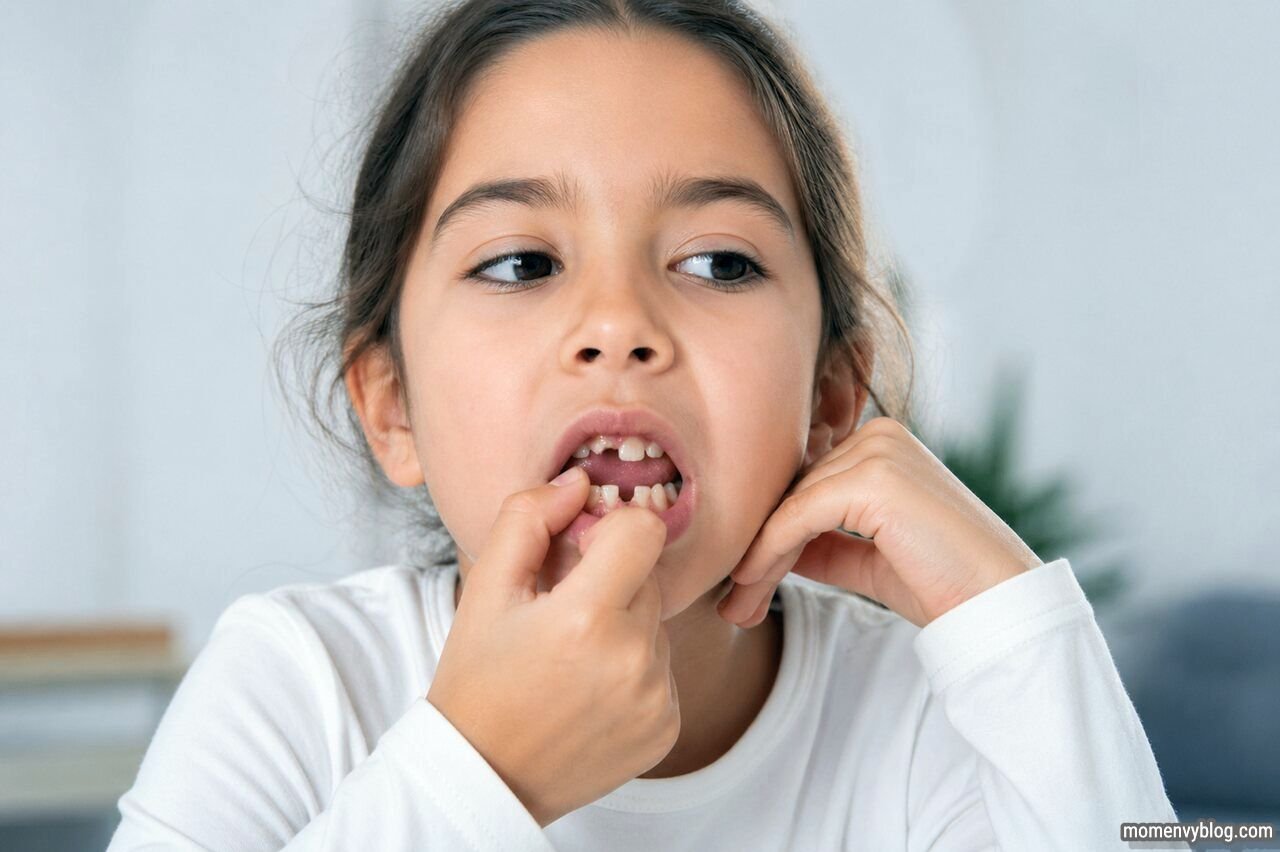
Understanding the cause helps you prevent or manage issues early.
Genetics
Sometimes, alignment is simply inherited:
- Small jaw + large teeth
- Jaw shape differences
If parents had braces, kids may need them too but not always.
Thumb Sucking
Long-term thumb sucking can:
- Push teeth forward
- Change jaw shape
- Lead to open bite
👉 Read more: thumb sucking and teeth alignment
Pacifier Use
Extended pacifier use (especially beyond age 3–4) may:
- Affect front teeth alignment
- Contribute to bite issues
Mouth Breathing
Kids who breathe through their mouth may:
- Develop narrower jaws
- Experience misaligned teeth
This is often linked to allergies or nasal issues.
Early Tooth Loss
If baby teeth fall out too soon:
- Nearby teeth may shift into the empty space
- Permanent teeth may come in crooked
Jaw Development Issues
Sometimes the upper and lower jaws:
- Grow at different speeds
- Don’t align properly
This can lead to bite problems like underbite or crossbite.
Signs Your Child May Need Orthodontic Evaluation
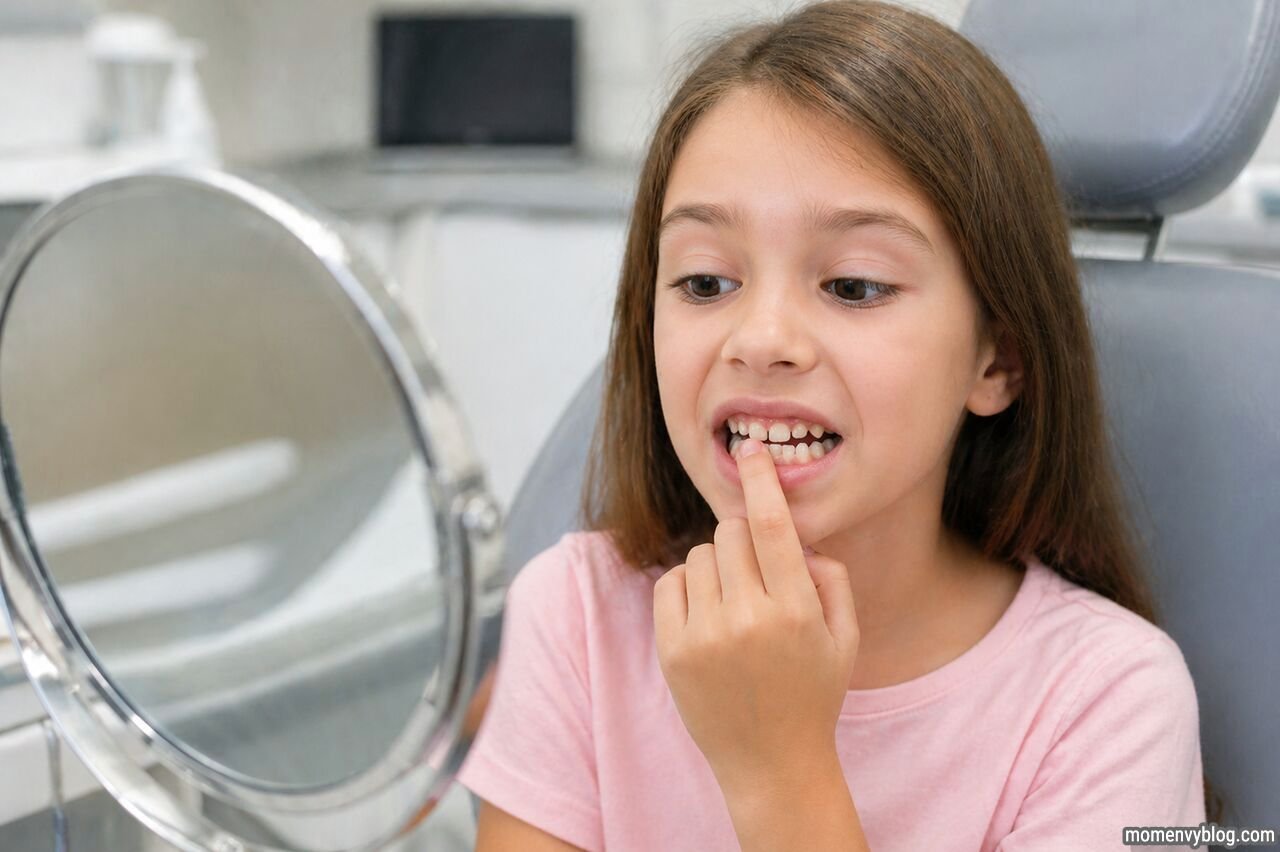
Many parents ask: “How do I know if this is serious?”
Here are some signs to watch for:
- Crooked or overlapping teeth
- Difficulty chewing or biting
- Speech problems (like lisping)
- Frequent mouth breathing
- Thumb sucking beyond age 4–5
- Jaw clicking, shifting, or uneven movement
- Teeth that don’t meet properly
👉 If you’re unsure, it’s always okay to ask your dentist early checks are simple and stress-free.
When Should Kids See an Orthodontist?
Ideal Age: Around 7 Years
Most dental experts recommend:
👉 An orthodontic checkup by age 7
Why?
- Permanent teeth are starting to come in
- Jaw growth can be evaluated
- Early problems can be spotted (even if treatment isn’t needed yet)
Early vs Late Treatment
- Early (Phase 1): Guides jaw growth or corrects habits
- Later (Phase 2): Straightens teeth with braces or aligners
Not every child needs early treatment many just need monitoring.
Pediatric Dentist vs Orthodontist
- Pediatric dentist: General dental care, early screening
- Orthodontist: Specialist in teeth alignment and braces
Usually, your pediatric dentist will guide you if a referral is needed.
Types of Orthodontic Treatments for Kids
Here’s a simple overview of options no need to worry about details yet.
Traditional Braces
- Metal brackets attached to teeth
- Gradually move teeth into place
- Most common and effective
Clear Aligners
- Transparent trays worn over teeth
- Removable and less visible
- Better for older, responsible kids
Space Maintainers
- Hold space when baby teeth are lost early
- Prevent crowding later
Expanders
- Gently widen the upper jaw
- Help fix crossbites or narrow arches
👉 Read more: best age for braces and signs your child needs braces
Can Teeth Alignment Problems Fix Themselves?
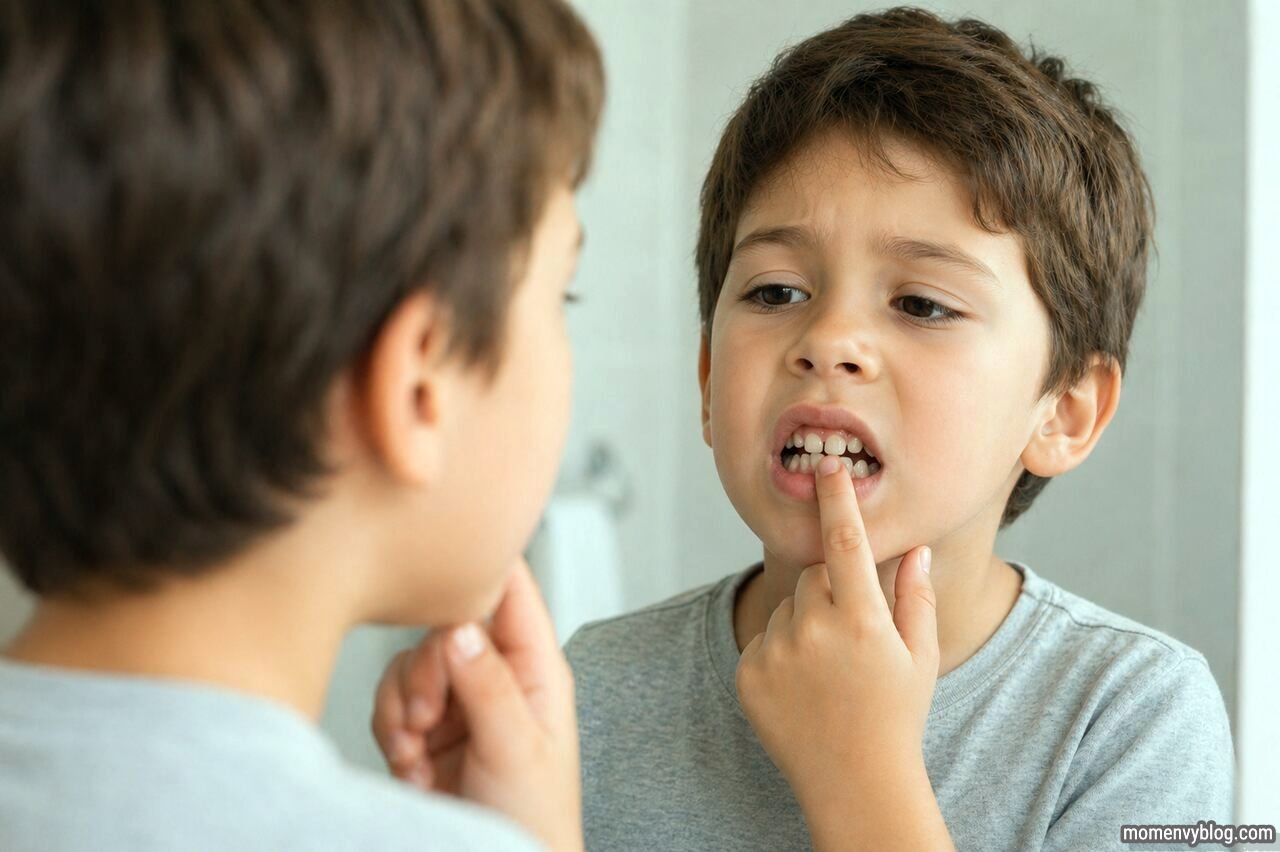
This is one of the most common questions moms ask.
Sometimes, Yes
Mild issues may improve naturally when:
- Baby teeth fall out
- Permanent teeth settle into place
- Jaw grows properly
But Some Need Help
Problems that usually need attention:
- Severe crowding
- Bite issues (underbite, crossbite)
- Persistent habits affecting teeth
👉 The key is monitoring, not rushing.
Preventing Alignment Problems Early
While not everything is preventable, small steps can make a big difference.
Habits to Avoid
- Prolonged thumb sucking
- Extended pacifier use
- Mouth breathing (if treatable)
Oral Hygiene
Good brushing helps:
- Prevent early tooth loss
- Maintain proper spacing
👉 See our guide on oral hygiene routines for kids
Early Dental Visits
Regular checkups help:
- Catch alignment issues early
- Track development
Diet & Development
Healthy foods support:
- Strong teeth
- Proper jaw growth
👉 Also explore: kids cavities prevention guide
Cost of Braces & Orthodontic Treatment (General Guide)
Many parents worry about cost and that’s completely understandable.
General Price Range
- Traditional braces: $3,000 – $7,000
- Clear aligners: $4,000 – $8,000
- Early appliances (expanders, etc.): varies
What Affects Cost?
- Severity of alignment issue
- Type of treatment
- Duration
- Location and provider
👉 Read more: cost of braces for kids
Emotional Support for Kids Getting Braces

Getting braces isn’t just physical it’s emotional too.
How Moms Can Help
- Normalize it (“Many kids go through this”)
- Let your child choose colors or styles
- Celebrate milestones (first adjustment, removal day)
- Avoid negative language
Building Confidence
Remind your child:
- Braces are temporary
- They’re improving their smile and health
- Many kids (and even adults) wear them
A little reassurance goes a long way ❤️
Conclusion
If you’ve been worrying about your child’s teeth alignment, take a deep breath you’re not alone.
Many parents notice these changes, and in most cases:
👉 There’s time to observe, understand, and make the right decision calmly.
Early awareness is far more important than early treatment.
This guide is part of a larger system designed to help you feel confident about your child’s dental health journey step by step.