









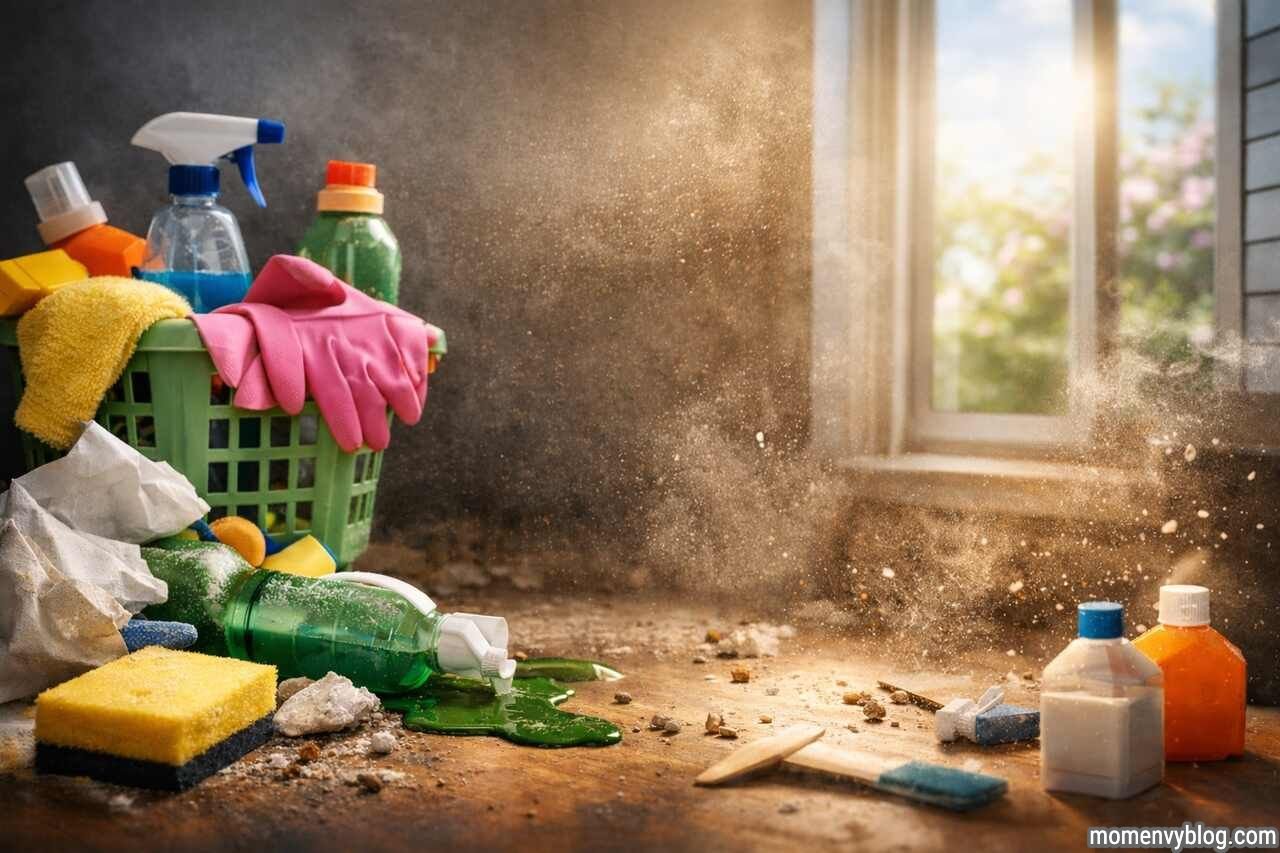
Every year, as spring sunshine spills through the windows, millions of us grab our mops, vacuums, and scented cleaning sprays, ready to “refresh” our homes. But here’s a surprising truth: your spring-cleaning ritual might actually be making your living environment less healthy. From recirculating hidden allergens to spreading toxic compounds into the air, some of our most common cleaning habits can quietly undo all the good intentions behind them.
Before you reach for that feather duster, let’s look at the biggest spring-cleaning mistakes—and what to do instead for a home that’s truly fresh and healthy.
Stirring Up What You Should Be Capturing
Dust might seem harmless, but it’s actually a cocktail of dead skin cells, pet dander, pollen, and microscopic pollutants. When you dust without the right tools, you’re not removing particles—you’re launching them into the air. Dry cloths, feather dusters, and even some paper towels redistribute more than they remove.
Better solution: Use a damp microfiber cloth or electrostatic duster. These tools trap dust rather than scatter it. Start with the highest surfaces and work your way down, finishing with a good vacuum with a HEPA filter to capture lingering particles.
Over-Reliance on “Fresh” Scents
Cleaning products that promise a “mountain breeze” or “lemon burst” smell often contain synthetic fragrances, often listed as “parfum.” These additives can emit volatile organic compounds (VOCs)—chemicals that linger in indoor air and can irritate your airways or trigger headaches.
What to do instead: Choose unscented or naturally scented cleaners, or make your own with simple ingredients like vinegar, baking soda, and essential oils. If you love a clean scent, diffuse natural citrus or lavender oils after cleaning instead of coating your air with artificial chemicals.
Ignoring the Air Itself
You can scrub every surface, but if you’re not cleaning the air, your home will never feel genuinely fresh. After a long winter of closed windows, indoor air accumulates hidden culprits like mold spores, dust mites, and even cleaning fumes.
To fix this: During spring cleaning, include air circulation and purification in your checklist. Open your windows for at least 20–30 minutes each day to let in fresh air. Then, enhance your air quality by using tools like carbon air filter purifiers for homes, which capture particles and gases that standard filters often miss.
Neglecting the Vacuum Filter
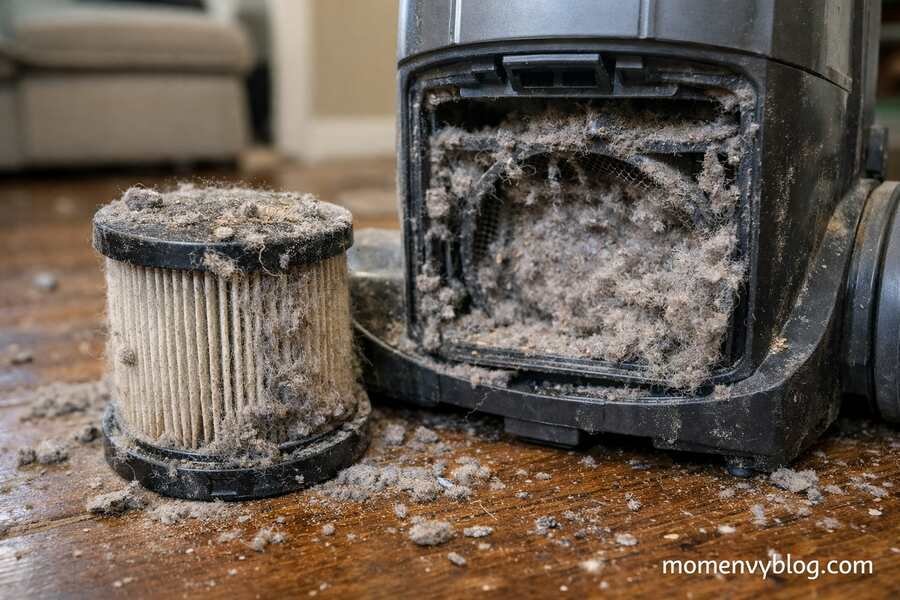
Vacuuming feels like the ultimate cleaning power move—but if your vacuum filter is overdue for
replacement or cleaning, you might just be blowing allergens right back into the air. Many of us forget that vacuum filters need routine care to actually do their job.
Quick fix: Empty or replace the filter after every few uses, and clean out vacuum hoses once a month. If you have pets, consider upgrading to a vacuum specifically designed for pet hair and fine dust.
Forgetting the “Hidden Zones”
Spring cleaning tends to focus on visible clutter: countertops, bookshelves, and window sills. But bacteria and allergens thrive in unseen spaces—behind appliances, inside washing machine seals, under rugs, or in HVAC vents. Neglecting these spots means allergens keep circulating, no matter how immaculate your living room looks.
Smart solution: Each season, tackle one big hidden area. Pull your refrigerator away from the wall and vacuum the coils. Wipe down the rubber seals on your washer and dishwasher. If possible, schedule a professional duct cleaning every few years to prevent dust from spreading through your home.
Using Too Much Water When You Clean
Moisture can quickly turn from helpful to harmful. Over-wetting carpets, upholstery, or even hardwood while cleaning can create conditions for hidden mold growth—especially in warmer months.
Better way: Use minimal moisture and allow for ample drying time. When deep cleaning carpets or fabric furniture, finish by using fans or opening windows to help everything dry completely.
Over-Sanitizing Your Space
Thanks to years of marketing messages, we’ve been conditioned to believe “clean” equals “disinfected.” But most households don’t need heavy-duty sanitizers or bleach-based cleaners for everyday cleaning. These harsh chemicals can strip beneficial bacteria from surfaces and pollute indoor air.
Balanced approach: Reserve strong disinfectants for kitchens, bathrooms, or high-risk situations involving illness. For everything else, mild soap and water will do just fine.
Redefining What “Clean” Means This Spring
A truly clean home isn’t just dust-free—it’s balanced, breathable, and healthier for everyone in it. That means choosing cleaning practices that care for both your surfaces and your air, minimizing chemical exposure, and addressing often-ignored problem areas.
This spring, think of cleaning as more than a visual refresh. It’s a chance to detox your space—literally. Swap disposable habits for sustainable ones, pay attention to the invisible air environment, and choose safe, fragrance-free cleaning tools. The result? A home that doesn’t just look clean, but actually feels better—and supports your family’s health long after the last floor is mopped.
Remember: true spring renewal isn’t just about what you remove—it’s about what you let back in. Fresh air, peace of mind, and healthier habits start with the way you clean.

