








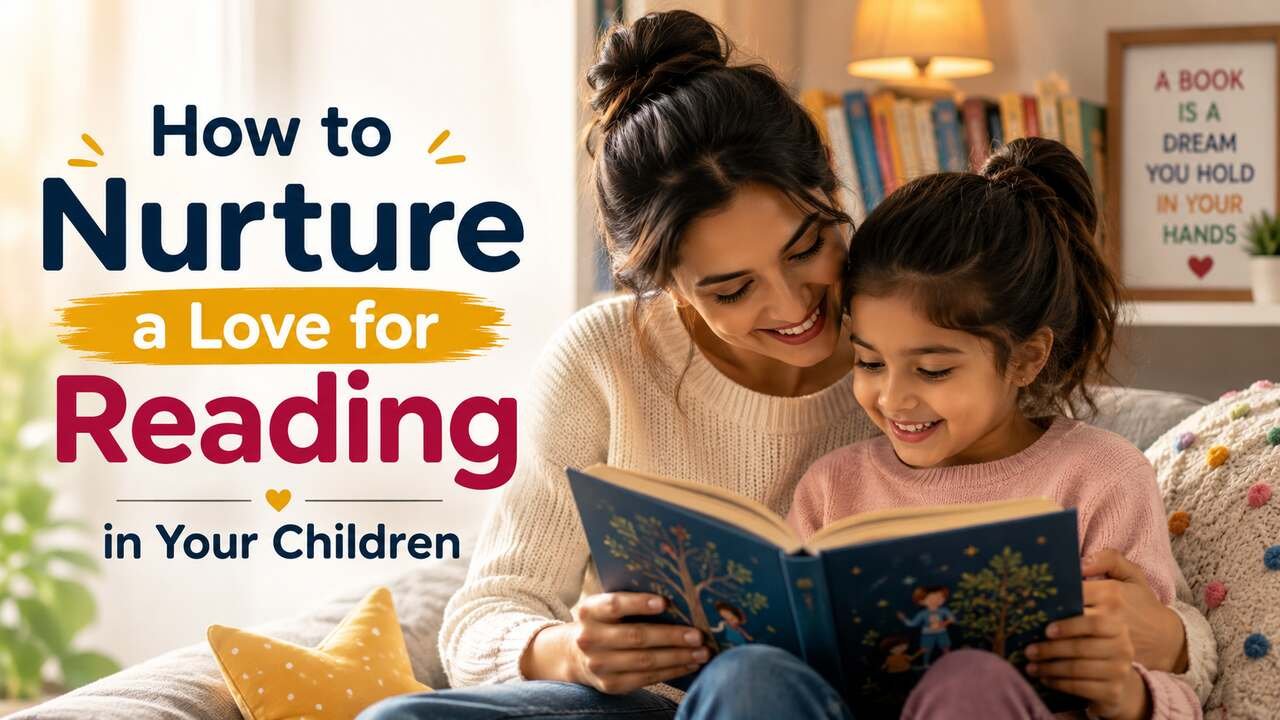
Reading is one of the greatest gifts you can give your child. It builds vocabulary, sparks imagination, and opens doors to worlds they might never discover otherwise. But in a world full of screens and instant entertainment, getting kids to pick up a book can feel like an uphill battle.
The best part? You don’t need a perfect system or a huge library to raise a reader. You just need intention, consistency, and a little creativity.
Start Earlier Than You Think
Most parents wait until their child can read independently before making books a priority. That’s actually too late. The habit of loving books starts long before a child can decode a single word.
Reading aloud to babies and toddlers does more than you might expect. It introduces them to language patterns, sounds, and the simple joy of sitting with a story. Even if they don’t understand every word, they’re absorbing the rhythm of storytelling.
By the time your child starts school, they should already see books as something enjoyable, not something they have to do. That early association makes all the difference when reading gets harder and requires more effort.
Create a Reading Environment at Home
Your home sends a message to your child about what matters. If books are visible, accessible, and treated with value, children notice that. A small bookshelf in their bedroom or a basket of books in the living room signals that reading belongs in everyday life.
You don’t need expensive setups. A cozy corner with good lighting and a few well-chosen titles is more than enough. What matters most is that books feel like a natural part of the space, not something reserved for schoolwork.
Let your child personalize their reading corner. A favourite blanket, a small lamp, or even a few decorative touches can make that space feel like theirs. When children feel ownership over something, they’re far more likely to use it.
Let Children Choose What They Read
One of the fastest ways to kill a child’s interest in reading is to control every book they pick up. Children, like adults, need to feel some level of choice to stay engaged. When every book is assigned or pre-approved, reading starts to feel like a chore.
This doesn’t mean anything goes. It means that within reasonable boundaries, you let them lead. If your child wants to read graphic novels, joke books, or the same picture book for the fifteenth time, let them. Engagement is more important than your opinion of the material.
Choice also builds confidence. When children pick their own books, they develop a sense of their own taste and preferences. That self-awareness is part of becoming a lifelong reader.
Read Together as a Family
Reading together is one of the most powerful things families can do. It doesn’t stop being valuable once a child learns to read on their own. Shared reading creates connection, opens conversations, and shows children that adults value books too.
Here are simple ways to make reading a shared family experience:
- Take turns reading pages aloud during bedtime routines
- Visit the local library together as a regular outing, not just for school projects
- Listen to audiobooks on long car rides or during family meals
- Let your child read to a younger sibling, pet, or even a stuffed animal
- Discuss characters and storylines at dinner as you would a film or TV show
- Let children catch you reading your own books regularly
- Celebrate when they finish a book, even if it’s a short one
The goal is to weave books into the fabric of family life so that reading feels social and shared rather than solitary and required.
Limit the Competition
Books are competing with video games, social media, YouTube, and streaming platforms for your child’s attention. You can’t pretend otherwise, and you don’t need to eliminate screens entirely to raise a reader.
What you can do is create protected reading time. A daily window, even 20 minutes, where screens are put away and books come out does more than any lecture about the importance of reading ever could. Consistency matters more than duration.
Routines help. Bedtime is the classic window for a reason. Children are winding down, screens are ideally put away, and a book becomes the natural way to close the day. That routine, repeated night after night, builds a reading identity over time.
Bring Faith Into Their Reading Life
The Bible is one of the most powerful reading tools you can place in a child’s hands. Beyond its spiritual value, it is rich literature filled with poetry, history, letters, and storytelling that exposes young readers to a wide range of writing styles all within a single book.
One approach that many parents overlook is using the Bible as a multilingual learning tool. Because the Bible has been translated into hundreds of languages, it gives children a rare opportunity to read the same familiar story in a completely different language.
A Spanish Bible from PPH (https://pentecostalpublishing.com/collections/spanish-bibles), for example, is a fantastic starting point for children learning Spanish. Since they already know the stories, they can focus on picking up new vocabulary and sentence structures without getting lost in an unfamiliar plot.
You can make this practical by reading a passage in English first, then reading the same passage together in Spanish. Over time, children begin to recognise patterns, build confidence in the second language, and associate learning with something that already feels meaningful to them.
Be Patient With Reluctant Readers
Not every child takes to books easily, and that’s okay. Reluctant readers are not behind or broken. Some children need more time, more exposure, or a different format before they find their way in.
Graphic novels, magazines, and nonfiction books about topics they already love are often better entry points than traditional chapter books. The goal is to find something that makes them forget they’re reading because they’re too busy being interested.
Avoid pressure and comparisons. A child who feels judged for not reading enough will associate books with shame, and that’s incredibly hard to undo. Encouragement, patience, and low stakes are your best tools here.
The Long Game
Raising a reader is not a project with a finish line. It’s an ongoing relationship between your child and the written word, one that will grow and change as they do.
Some years they’ll read voraciously. Others, not so much. What you’re really building is a foundation: the belief that books are worth their time, that stories matter, and that reading is something that belongs to them.