







Quick Highlights
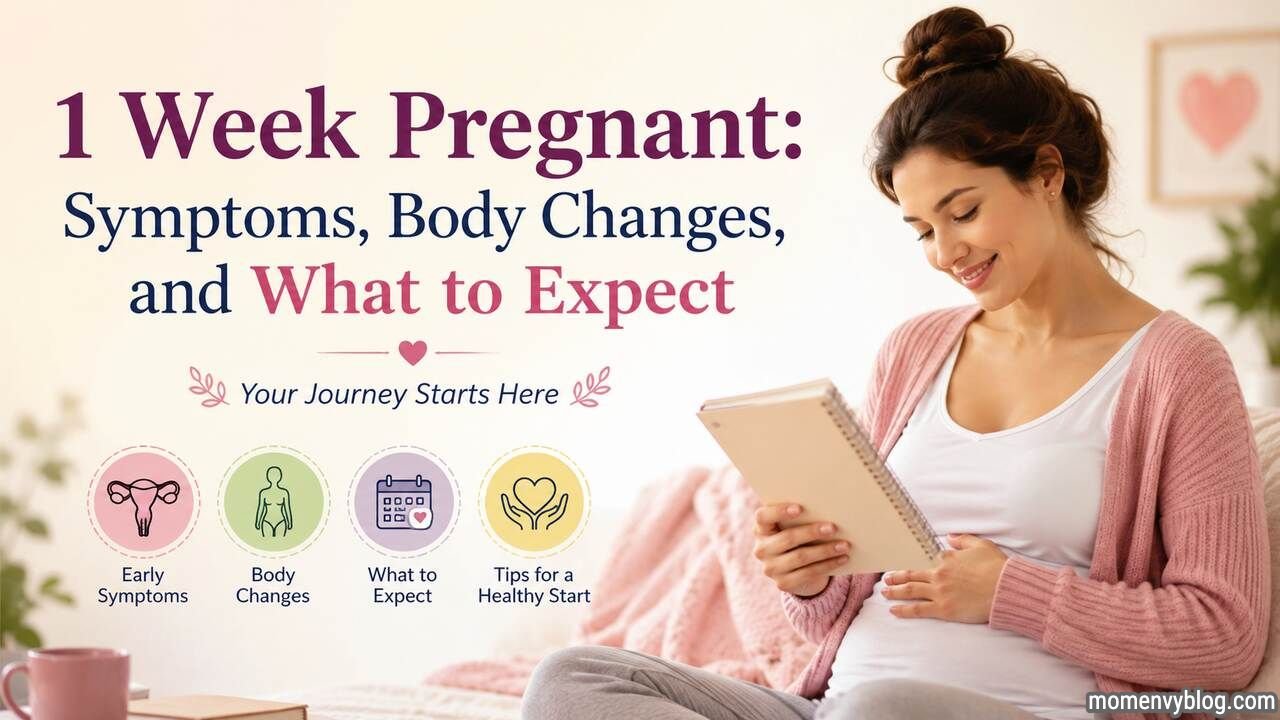
- At 1 week pregnant, you are not actually pregnant yet. Pregnancy dating begins on the first day of your last menstrual period.
- Your period is usually happening during this week, while your body begins preparing for ovulation.
- You will not have pregnancy symptoms, a positive pregnancy test, or a developing baby at 1 week.
- Start taking a prenatal vitamin containing at least 400 micrograms of folic acid if you are trying to conceive.
- Record the first day of your period because your healthcare provider may use it to estimate your due date.
What Does 1 Week Pregnant Mean?
Being 1 week pregnant sounds confusing because conception has not usually happened yet.
Healthcare providers count pregnancy from the first day of your last menstrual period, also called your LMP. A full-term pregnancy is estimated as about 40 weeks from that date. This means the pregnancy calendar includes roughly two weeks before conception typically occurs.
So, during pregnancy week 1:
- You are probably having your period.
- An egg has not yet been fertilized.
- There is no embryo or developing baby.
- Your body is beginning a new menstrual cycle.
- Your ovaries are preparing an egg that may be released around ovulation.
I know this can feel strange the first time you hear it. Many expecting moms assume pregnancy begins on the day of conception, but that date is often difficult to identify. The first day of the last period provides healthcare professionals with a consistent starting point.
1 Week Pregnant at a Glance
| Pregnancy milestone | What is happening |
| Gestational age | Week 1 |
| Are you pregnant yet? | Usually no |
| Baby development | No baby or embryo yet |
| Your body | Menstruation and early cycle preparation |
| Pregnancy test | Too early |
| Typical symptoms | Menstrual symptoms, not pregnancy symptoms |
| Main priority | Prepare your body for a possible pregnancy |
| Next major milestone | Ovulation and possible conception |
How Pregnancy Weeks Are Calculated
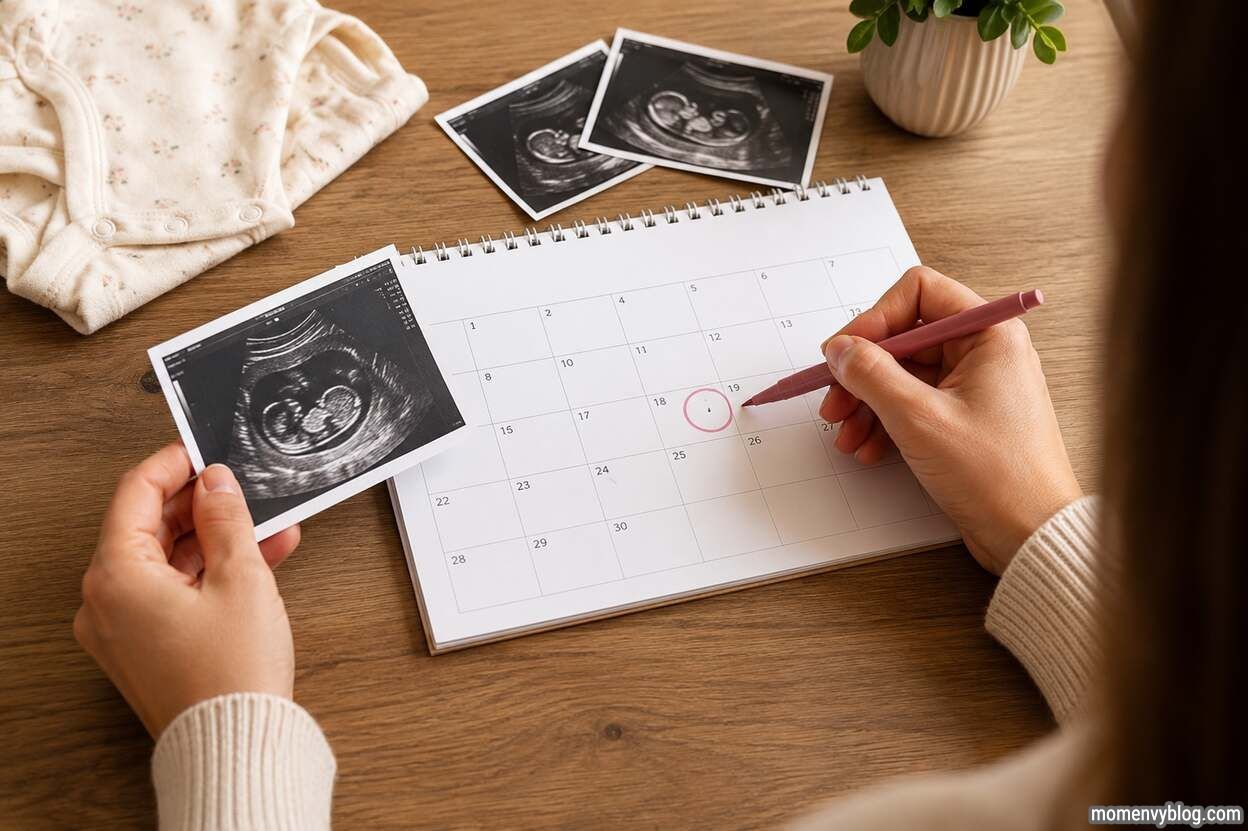
Pregnancy is measured using gestational age, which begins on the first day of your last menstrual period rather than the day an egg is fertilized.
This dating system assumes a menstrual cycle of about 28 days, with ovulation happening around day 14. However, real cycles can be shorter, longer, or irregular. Ovulation does not happen on the same cycle day for everyone.
A simple pregnancy timeline looks like this:
- Week 1: Your menstrual period begins.
- Week 2: Your body prepares to ovulate.
- Around the end of week 2: Ovulation may occur.
- Week 3: Fertilization and early cell division may happen.
- Around week 4: A pregnancy test may become positive.
This timeline is only an estimate. Your healthcare provider may later adjust your due date based on your cycle history or an early ultrasound.
When Is Your Estimated Due Date?
An estimated due date is commonly calculated as 280 days, or 40 weeks, from the first day of your last menstrual period.
For example, if the first day of your last period was January 1, your estimated due date would be approximately 40 weeks later.
A due date is an estimate, not a guarantee that labor will begin on that exact day. Pregnancy length can vary, and an early ultrasound may provide more accurate dating when menstrual dates are uncertain or cycles are irregular.
Information to record this week
Write down:
- The first day of your period
- How long your period lasts
- Your usual cycle length
- Any unusual bleeding
- Medications and supplements you take
- The dates of unprotected sex or fertility treatments, when relevant
Keeping these details can make future pregnancy dating and healthcare conversations easier.
What Is Happening in Your Body at 1 Week Pregnant?
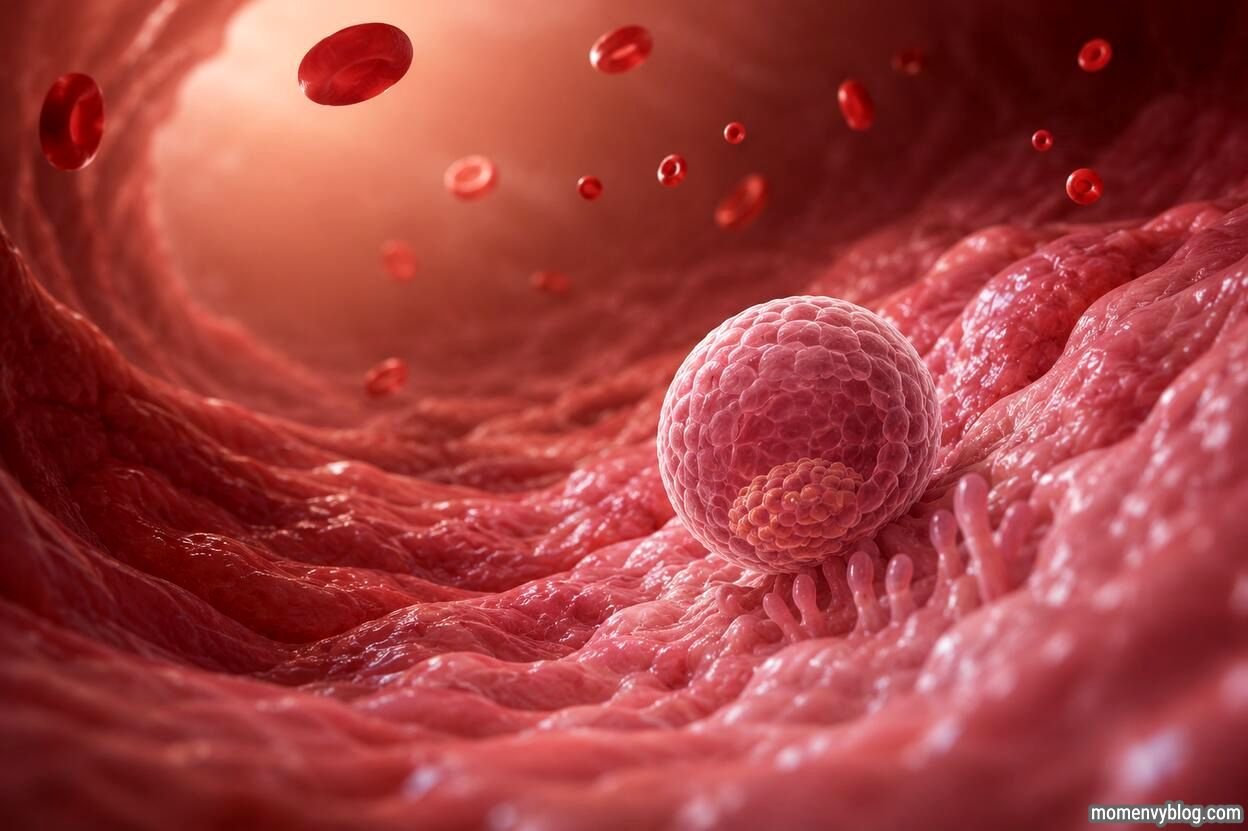
At 1 week pregnant, your menstrual cycle has just begun.
The uterus is shedding the lining that developed during the previous cycle because pregnancy did not occur. This tissue and blood leave the body as your menstrual period.
At the same time, hormonal signals begin preparing several follicles in your ovaries. Each follicle contains an immature egg. Usually, one egg becomes dominant and may be released during ovulation later in the cycle.
Your body is essentially clearing out the previous uterine lining and preparing for another opportunity to conceive.
Baby Development at 1 Week Pregnant
There is no developing baby at 1 week pregnant.
The egg that may eventually be fertilized is still maturing inside an ovarian follicle. Sperm and egg have not joined, so conception has not occurred.
This means there is currently:
- No fertilized egg
- No embryo
- No implantation
- No placenta
- No fetal heartbeat
- No measurable baby size
You may see pregnancy apps compare the baby to a seed or tiny object during early pregnancy. At week 1, however, there is not yet a baby to measure.
Can You Have Pregnancy Symptoms at 1 Week?
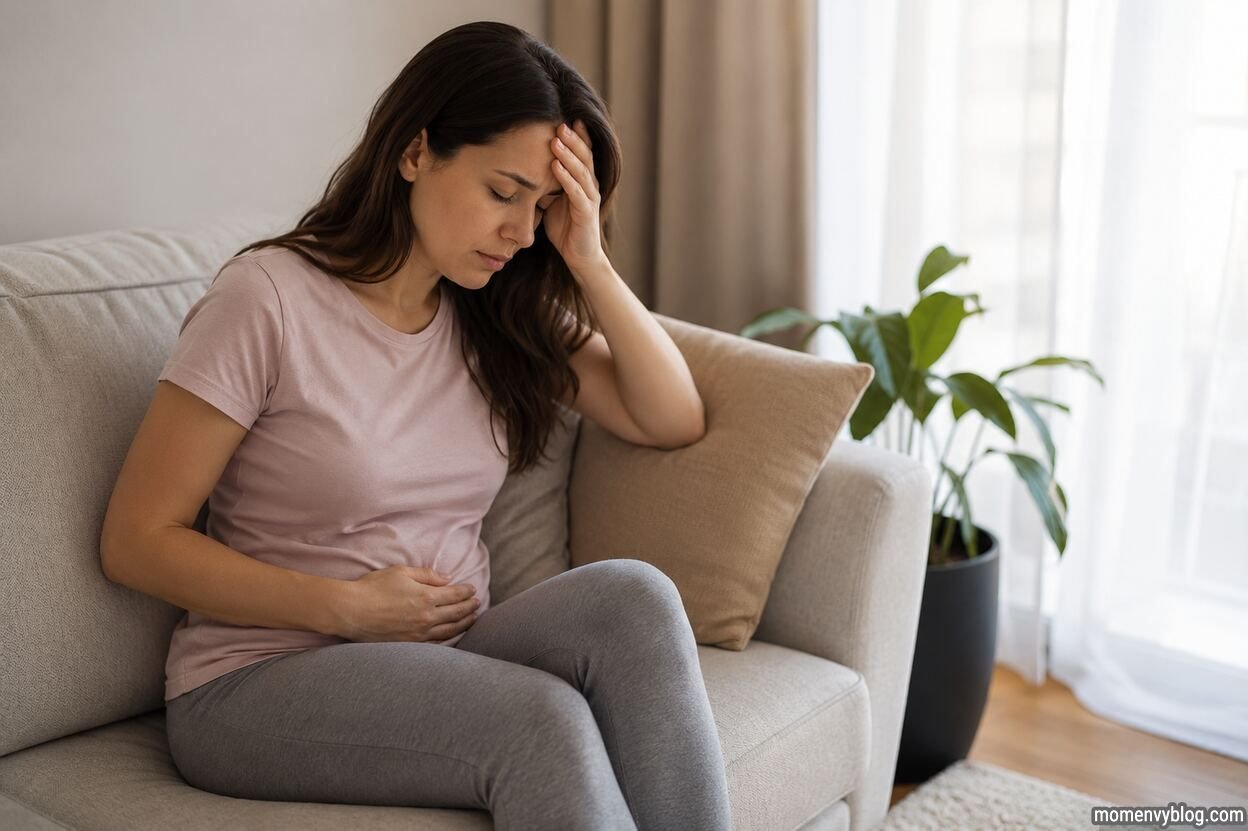
You cannot have true pregnancy symptoms before conception and implantation.
Any symptoms you notice at 1 week pregnant are much more likely to be caused by your menstrual period or normal hormonal changes.
Possible menstrual symptoms include:
- Vaginal bleeding
- Lower abdominal cramps
- Bloating
- Breast tenderness
- Headaches
- Fatigue
- Lower back discomfort
- Mood changes
- Food cravings
- Changes in bowel habits
These symptoms do not confirm pregnancy.
What does 1 week pregnant feel like?
For most women, 1 week pregnant feels like a normal period. Some have mild symptoms, while others experience stronger cramps, fatigue, or heavier bleeding.
You may also feel completely normal.
Can morning sickness start at 1 week?
No. Morning sickness cannot begin before conception has occurred.
Pregnancy-related nausea usually develops later, after pregnancy hormones begin rising. Feeling nauseated during week 1 could be related to your period, illness, stress, food, medication, or another cause.
Can you have implantation bleeding at 1 week?
No. Implantation bleeding cannot happen during pregnancy week 1 because fertilization has not yet occurred.
Implantation, when it occurs, happens after ovulation and fertilization. Bleeding during week 1 is generally your menstrual period rather than implantation bleeding.
What Does Your Belly Look Like at 1 Week Pregnant?
There is no pregnancy bump at 1 week.
Your uterus has not enlarged because conception has not taken place. You may notice bloating related to your period, but this is not caused by a growing baby.
Every body carries weight and experiences bloating differently. There is no specific belly shape that can tell you whether pregnancy has begun.
Can You Get a Positive Pregnancy Test at 1 Week?
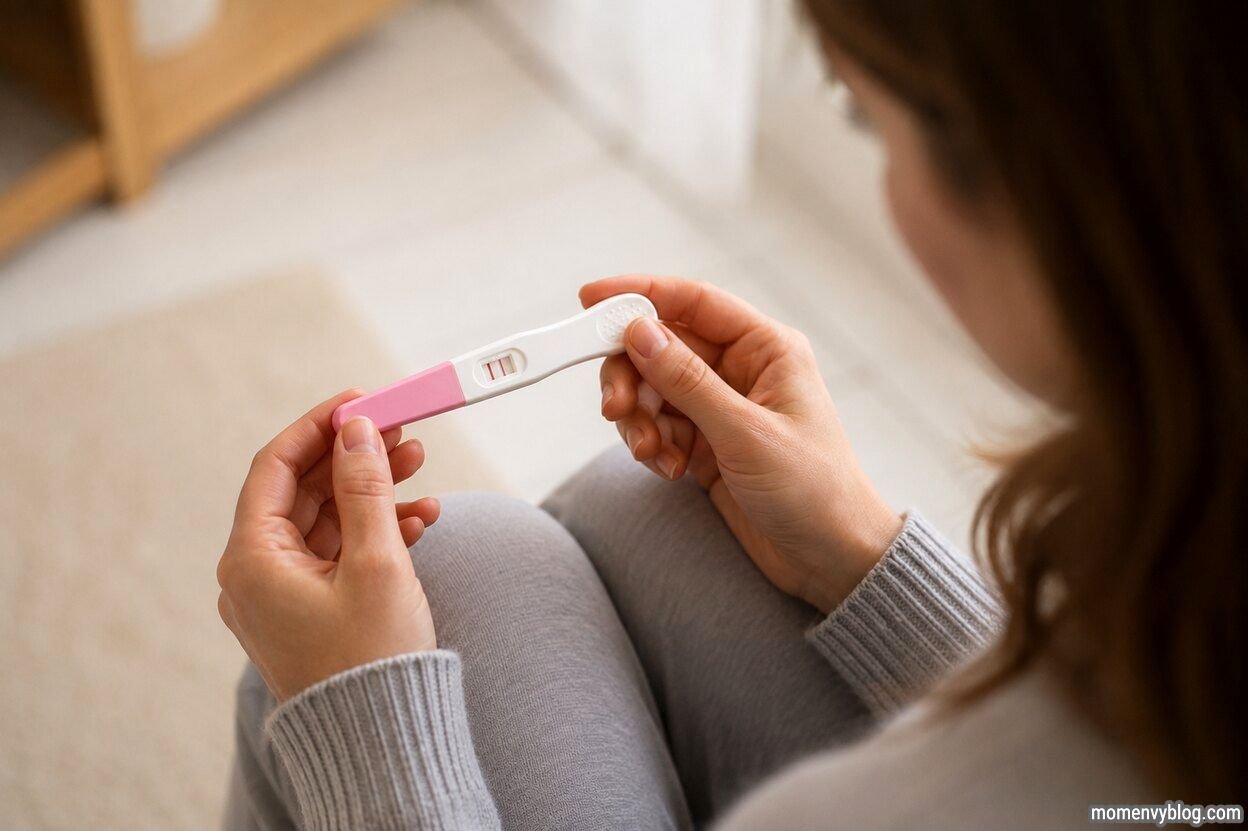
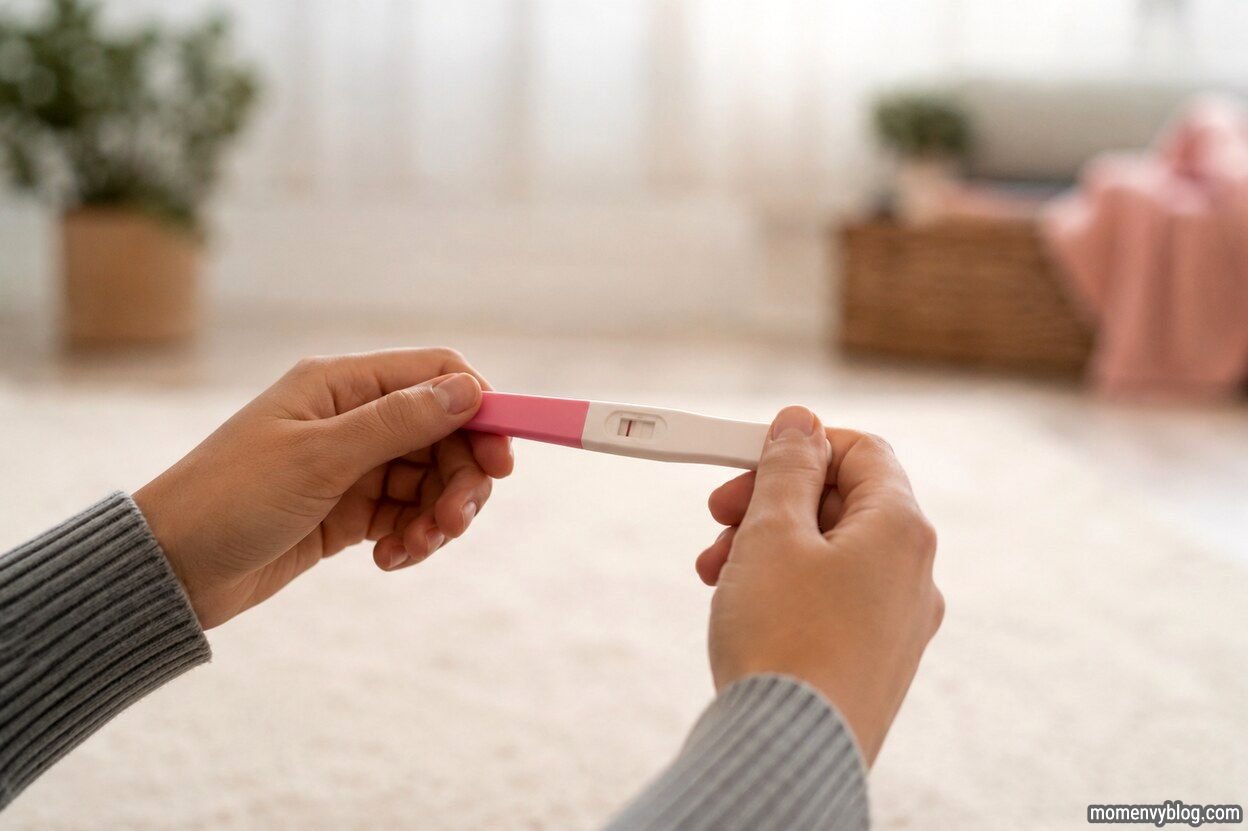
A pregnancy test will not normally be positive at 1 week pregnant because you have not conceived yet.
Home pregnancy tests detect human chorionic gonadotropin, commonly called hCG. Your body begins producing this hormone after a fertilized egg implants in the uterus.
At week 1, there is no implanted pregnancy and therefore no pregnancy-related hCG to detect.
If you receive a positive test while you believe you are at week 1, one of these explanations may apply:
- Your pregnancy dates are incorrect.
- The bleeding was not a true menstrual period.
- You conceived during an earlier cycle.
- The test result was inaccurate.
- You recently experienced a pregnancy, birth, or pregnancy loss and hCG remains in your body.
Contact a healthcare professional if you have a positive test with bleeding, pain, uncertain dates, or other concerning symptoms.
What Should You Do at 1 Week Pregnant?

This week is best treated as a preconception week. The choices you make now can help prepare your body for pregnancy if conception occurs later in the cycle.
1. Begin Taking Folic Acid
Take a prenatal vitamin containing at least 400 micrograms of folic acid each day unless your healthcare provider recommends a different dose. Folic acid taken before and during early pregnancy helps reduce the risk of neural tube defects affecting the developing brain and spine.
Ideally, folic acid supplementation should begin before conception. ACOG recommends that women planning or capable of pregnancy take 400 micrograms daily, starting at least one month before fertilization and continuing during early pregnancy.
Some people need a higher prescribed dose because of medications, health conditions, or a previous pregnancy affected by a neural tube defect. Do not increase your dose without medical advice.
2. Review Your Medications
Ask a doctor, midwife, or pharmacist whether your prescription medicines, over-the-counter medicines, vitamins, herbal products, and supplements are appropriate while trying to conceive.
Do not suddenly stop a prescribed medication on your own. Stopping treatment can sometimes be more harmful than continuing it, especially when managing conditions such as epilepsy, diabetes, high blood pressure, depression, or thyroid disease.
Bring a complete medication list to your preconception appointment.
3. Avoid Alcohol, Smoking, and Recreational Drugs
The safest approach while trying to become pregnant is to avoid alcohol, smoking, vaping, and recreational drugs.
Because conception and early development may occur before you know you are pregnant, making changes before ovulation reduces uncertainty. The NHS advises avoiding alcohol and illegal drugs and getting support to stop smoking while preparing for pregnancy.
Ask your healthcare provider for support if stopping feels difficult. You do not need to handle it alone.
4. Eat a Balanced Diet
You do not need a special fertility diet or expensive supplement routine.
Focus on regular meals containing:
- Vegetables and fruit
- Whole grains
- Beans and lentils
- Eggs, fish, poultry, meat, or other protein sources
- Dairy products or fortified alternatives
- Healthy fats
- Plenty of fluids
Foods containing folate include leafy green vegetables, beans, peas, nuts, fruit, and enriched grain products. However, food alone may not reliably provide the recommended amount of folic acid, so a supplement is still advised.
5. Check Your Vaccinations
A preconception appointment is a good time to review your vaccination record.
Some vaccines can be given during pregnancy, while certain live vaccines may need to be given before conception. Your recommended vaccines will depend on your age, health, location, medical history, and previous vaccination records.
Your healthcare provider can help you decide whether any updates are needed.
6. Manage Existing Health Conditions
Conditions such as diabetes, high blood pressure, thyroid disorders, epilepsy, asthma, obesity, anxiety, and depression may affect pregnancy planning or treatment choices.
Good preconception care can help you:
- Review medications
- Improve disease control
- Discuss pregnancy-related risks
- Plan specialist care when needed
- Arrange appropriate tests
- Choose a suitable prenatal vitamin
Do not wait for a positive pregnancy test if you have a condition that requires regular treatment.
7. Learn Your Menstrual Cycle
Tracking your cycle can help you estimate when ovulation may occur.
The first day of full menstrual bleeding is counted as cycle day 1. Ovulation often happens about 12 to 16 days before the next period, but timing varies.
You can track:
- Period dates
- Cervical mucus
- Ovulation predictor tests
- Basal body temperature
- Cycle length
- Changes in libido or mild ovulation discomfort
Apps can be helpful for recordkeeping, but their predicted fertile days are estimates rather than proof that ovulation occurred.
8. Schedule a Preconception Visit
You may benefit from a preconception appointment, especially if you:
- Take regular medication
- Have a long-term health condition
- Have irregular or absent periods
- Have experienced repeated pregnancy loss
- Have a personal or family history of genetic conditions
- Previously had pregnancy complications
- Are preparing for fertility treatment
- Have questions about vaccinations
- Are concerned about your ability to conceive
Preconception care allows you to address concerns before pregnancy begins.
Trying to Conceive During Pregnancy Week 1

Pregnancy week 1 is usually too early for conception because you are having your period.
However, sperm can survive inside the reproductive tract for several days, so intercourse before ovulation may still result in pregnancy when an egg is later released. The exact fertile window depends on when you ovulate and how long your cycle is.
For couples trying to conceive naturally, having sex every two to three days throughout the cycle can reduce the pressure of identifying one exact ovulation date. You can also focus on the days leading up to and around suspected ovulation.
Can You Conceive During Your Period?
It is possible, although it is less likely for many women.
Pregnancy can occur from sex during a period when:
- Your menstrual cycle is short.
- You ovulate earlier than expected.
- Bleeding lasts several days.
- Sperm remain alive until ovulation.
- The bleeding was mistaken for a period.
Do not rely on menstrual bleeding as contraception if you do not want to become pregnant.
Common Mistakes to Avoid This Week
Assuming every symptom means pregnancy
Cramps, sore breasts, fatigue, and bloating are common before and during a period. They cannot confirm pregnancy at week 1.
Taking a pregnancy test too early
Testing before conception cannot provide useful information. Wait until after ovulation and close to the date your next period is expected.
Taking several prenatal vitamins
More is not always better. Taking multiple vitamins can provide excessive amounts of certain nutrients, including vitamin A or iron. Use one suitable prenatal vitamin unless your clinician recommends additional supplements.
Stopping prescription medicine suddenly
Some medications require gradual adjustment or must be continued during pregnancy. Speak with the prescribing healthcare professional first.
Expecting cycle apps to identify ovulation perfectly
An app predicts ovulation using past cycle data. Stress, illness, travel, breastfeeding, hormonal conditions, and natural variation can shift ovulation.
When Should You Contact a Healthcare Professional?

At week 1, your bleeding is usually a menstrual period. Seek medical advice if you experience:
- Bleeding that is much heavier than usual
- Severe or worsening pelvic pain
- Fainting or dizziness
- Fever
- Unusual or foul-smelling discharge
- Pain mainly on one side
- Bleeding after a positive pregnancy test
- Symptoms that feel different from your normal period
Urgent care may be needed for severe pain, very heavy bleeding, fainting, difficulty breathing, or other serious symptoms.
This article provides general information and cannot diagnose the cause of pain or bleeding.
Your 1 Week Pregnant Checklist
Record the first day of your last menstrual period.
Begin a prenatal vitamin with at least 400 micrograms of folic acid.
Review medications and supplements with a healthcare professional.
Avoid smoking, recreational drugs, and alcohol while trying to conceive.
Eat regular, balanced meals.
Track your menstrual cycle.
Review your vaccination history.
Arrange a preconception appointment if needed.
Manage existing health conditions with professional support.
Learn when ovulation may happen in your cycle.
What Happens at 2 Weeks Pregnant?
At 2 weeks pregnant, you are still not usually pregnant, but your body is moving closer to ovulation.
A follicle in one of your ovaries may become dominant and prepare to release an egg. Your uterine lining also begins building again so it can support implantation if fertilization occurs.
The next guide explains:
- How ovulation works
- Signs that ovulation may be approaching
- Your fertile window
- When conception can occur
- How to improve pregnancy test timing
Next: 2 Weeks Pregnant: Ovulation, Symptoms, and What to Expect
Frequently Asked Questions
Are you actually pregnant at 1 week?
No. At 1 week pregnant, you are usually having your menstrual period and have not conceived. Healthcare professionals include this week because pregnancy is dated from the first day of the last menstrual period.
Why do doctors count pregnancy before conception?
The exact date of conception is often unknown, while the first day of the last menstrual period is easier to identify. Using that date creates a consistent method for estimating gestational age and the due date.
What are the signs of being 1 week pregnant?
There are no true pregnancy signs at week 1 because conception has not happened. Bleeding, cramps, bloating, sore breasts, or fatigue are more likely related to menstruation.
Can a pregnancy test detect pregnancy at 1 week?
No. A pregnancy test cannot detect a pregnancy before conception and implantation. If a test is positive, your dates may be different from what you thought.
Is there a baby at 1 week pregnant?
No. There is no embryo or fetus at week 1. Your body is beginning the menstrual cycle in which conception may later occur.
How big is the baby at 1 week?
There is no baby to measure during week 1. An egg is still maturing, and fertilization has not occurred.
Can I have a baby bump at 1 week?
No. Any abdominal fullness at week 1 is more likely caused by bloating, digestion, or normal body shape.
Can I feel implantation at 1 week?
No. Implantation cannot happen before ovulation and fertilization. At week 1, your menstrual cycle has only just started.
Should I take prenatal vitamins before I am pregnant?
Yes. A prenatal vitamin containing at least 400 micrograms of folic acid is recommended before conception and during early pregnancy for most women. Ask your healthcare provider whether you need a different amount.
How many months is 1 week pregnant?
One week pregnant is considered the beginning of the first month and first trimester. However, conception has not normally occurred yet.
When will I ovulate?
In a typical 28-day cycle, ovulation is often estimated around cycle day 14. Your actual timing may be earlier or later depending on your cycle length and natural variation.
When should I take a pregnancy test?
For the most reliable home result, test on or after the day your next period is expected. Follow the instructions included with the test because sensitivity and timing vary by product.
The Bottom Line
At 1 week pregnant, you are not technically pregnant yet. Your period marks the beginning of the menstrual cycle that may lead to ovulation, conception, and pregnancy.
The most useful things you can do this week are record the first day of your period, take folic acid, review medications, support your general health, and begin tracking your cycle.
It may feel unusual to call this the first week of pregnancy, but it gives healthcare professionals a consistent starting point for measuring gestational age and estimating your due date.
Medical note: This content provides general pregnancy information and is not a substitute for care from a doctor, midwife, or other qualified healthcare professional.


