









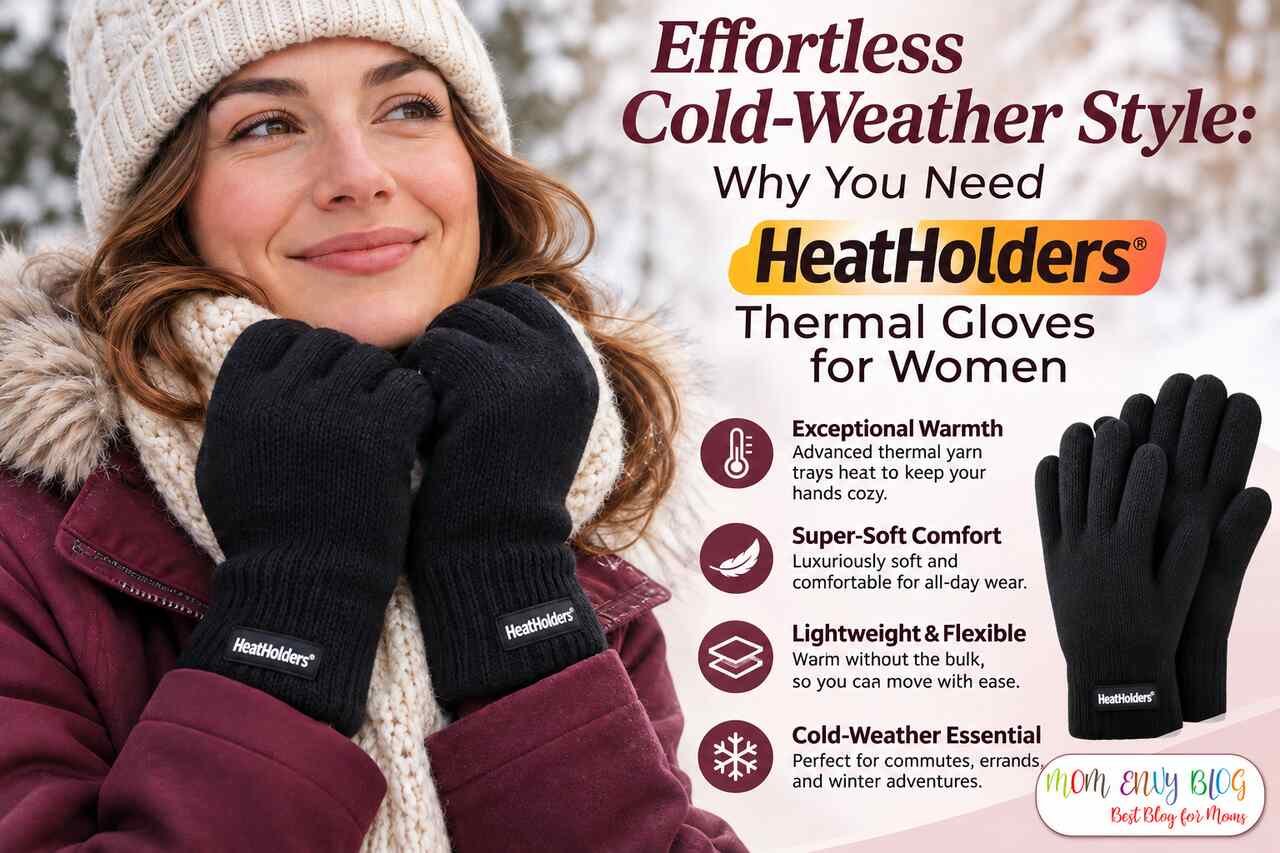
Cold-weather dressing works best when every piece combines warmth, comfort and a sense of personal style. Gloves may seem like a small detail, yet they affect how comfortable you feel during a morning commute, a long walk or an afternoon of errands. If your fingers are cold, even the most polished winter outfit can feel impractical.
Thermal gloves solve that problem without forcing you to choose bulky accessories that clash with your coat. The best pairs offer dependable insulation, a comfortable lining and useful features for daily life. Once you know what to look for, warm hands can become an easy part of getting dressed.
Warmth makes winter style more wearable
A winter outfit has to function beyond the mirror. A wool coat, knit dress and sleek boots may look beautifully put together, but the effect quickly fades if you spend the entire walk to work tucking your hands into your sleeves. Warm gloves let you move comfortably and help your outfit work in real conditions.
That practical focus fits with the idea behind Greg McKeown’s book Effortless, which explores ways to make valuable actions easier. In wardrobe terms, the principle is simple: choose items that remove small daily frustrations. A reliable pair of thermal gloves saves you from searching for a better option each time temperatures fall.
Warm hands can also make outdoor routines feel more manageable. You may be more willing to take the dog around the block, clear light snow from the car, or walk to a nearby store when your fingers stay comfortable. Gloves can reduce direct exposure to cold air, but remember that no accessory replaces sensible judgment during extreme weather. Shorten your time outside and seek warmth if you notice numbness, unusual skin color, or persistent discomfort.
Treat gloves as part of your core winter wardrobe, alongside a coat and weather-appropriate footwear. Keeping a dependable pair near the door also makes it much harder to forget them on a rushed morning.
What to look for in thermal gloves
Start with insulation and lining. Thermal yarns help retain warmth while a plush interior creates a soft layer around your hands. The lining should feel cozy without bunching around the fingers or limiting normal movement. If you plan to use the gloves for errands, commuting, or winter chores, check that you can still grip a bag handle and manage keys comfortably.
The collection of HeatHolders thermal gloves for women includes options designed for cold-weather routines, with features such as plush linings, touchscreen compatibility, and wind-resistant or water-resistant finishes on selected styles. Those details can help you match a pair to the conditions you actually encounter.
Touchscreen fingertips are useful if you regularly check transit times, answer calls or use mobile payment outdoors. Wind resistance deserves attention in open areas where moving air can make a mild day feel much colder. A water-resistant finish can help with light moisture and brief contact with snow, though water resistance shouldn’t be confused with full waterproof protection.
Care requirements matter too. Machine-washable gloves can be practical for frequent wear, especially when they come into contact with public surfaces, car doors and shopping carts. Read the product instructions before washing since heat settings and drying methods can affect the fabric, fit and finish.
Find the fit that feels natural
Thermal performance depends partly on fit. Gloves that are too tight may compress the insulating layers and restrict movement, while an oversized pair can allow cold air to enter at the wrist. A good fit feels secure across the palm with enough room to bend your fingers naturally.
Measure around the widest part of your dominant hand, excluding the thumb, then compare that number with the retailer’s size guide. Finger length matters as well. If the fingertips leave a large empty space, touchscreen panels may not make consistent contact with your phone. If the material pulls sharply between your fingers, try the next size up.
Think about sleeves before choosing cuff length. A longer cuff can tuck beneath a puffer jacket or parka to close the gap at the wrist. Shorter cuffs often look neater with fitted wool coats and jackets that have close sleeves. Take your coat with you when trying gloves in person, or test the combination at home before removing tags.
You can also perform a quick movement check. Hold your keys, zip your coat, and pick up your phone. These small actions reveal more than simply opening and closing your hand. The goal is to find a pair that stays comfortable during the tasks you perform every day, since gloves left in a drawer provide no warmth at all.
Build easy outfits around your gloves
Gloves are easier to style when they connect to one other part of your outfit. Black gloves might echo your boots, while a soft cream pair can pick up a stripe in your scarf. Exact color matching can look overly coordinated, so focus on related tones and textures.
For a simple weekday outfit, combine dark thermal gloves with a tailored coat, straight-leg jeans and ankle boots. A more relaxed weekend look might pair a quilted jacket with a knit hat, casual sneakers and gloves in a muted neutral. Burgundy, forest green and navy can add color while remaining easy to wear across several outfits.
Texture also changes the overall mood. A smooth outer finish tends to look refined beside structured outerwear. Chunkier knit details feel at home with puffers, fleece and casual coats. If your wardrobe already contains several patterns, plain gloves give the outfit a visual resting point.
The broader idea of making difficult things feel natural also appears in the Effortless Mastery Institute, although its work centers on music and creative development. Applied loosely to personal style, ease often comes from preparation and repetition. Set aside two or three reliable cold-weather combinations, then store the matching accessories together. You won’t have to rebuild an outfit from scratch every time the forecast changes.
Care helps thermal gloves last
Regular care keeps gloves looking presentable and helps preserve their fit. Always begin with the label because materials and finishes have different requirements. If the gloves are machine washable, fasten any closures and place them in a mesh laundry bag so they don’t snag on zippers or other hardware.
Use a mild detergent and the recommended water temperature. Fabric softener may leave a coating on some technical fibers, so follow the manufacturer’s directions before adding it. Reshape the gloves after washing and let them dry as instructed. Avoid placing them directly on a radiator since concentrated heat can damage fibers or cause uneven shrinking.
Between washes, let damp gloves dry fully before putting them in a pocket or drawer. Lay them flat in a ventilated space, keeping the pair together. If they collect surface dirt during a commute, a prompt spot cleaning may prevent the mark from setting.
Storage can be simple. Designate a small basket, drawer, or coat-pocket organizer for winter accessories. Keeping gloves, hats, and scarves in one place supports the practical ideas in Effortless: useful habits are more likely to stick when the needed items are easy to reach. At the end of winter, wash and dry your gloves before storing them in a clean fabric bag away from direct sunlight.
Create a low-effort winter routine
A dependable winter wardrobe needs fewer decisions, not a closet full of nearly identical accessories. One everyday pair of thermal gloves may cover commutes and errands, while a water-resistant option can handle wetter conditions. If you often misplace gloves, keeping a spare pair in your work bag or car can prevent an uncomfortable trip home.
Check the next day’s forecast while preparing your clothes at night. Place your gloves inside your shoes or on top of your bag so you can’t leave without seeing them. This tiny routine is especially helpful during early winter when carrying cold-weather accessories hasn’t yet become automatic.
A practical, effortless living approach also favors reducing unnecessary friction. For winter dressing, that can mean choosing gloves that work with most of your coats, storing them where you get ready, and addressing loose threads or stains promptly. Small systems keep useful clothing in regular rotation.
Pay attention to how your gloves perform across a full week. Cold fingertips may signal that you need more insulation or a better-fitting cuff. Trouble handling your phone suggests that touchscreen compatibility should move higher on your list. If your current pair works well, note the size, fabric, and features before the label fades.
The best cold-weather accessories quietly do their job. When your gloves fit properly, complement your coat and sit ready by the door, stepping outside on a cold morning feels far less complicated.


