









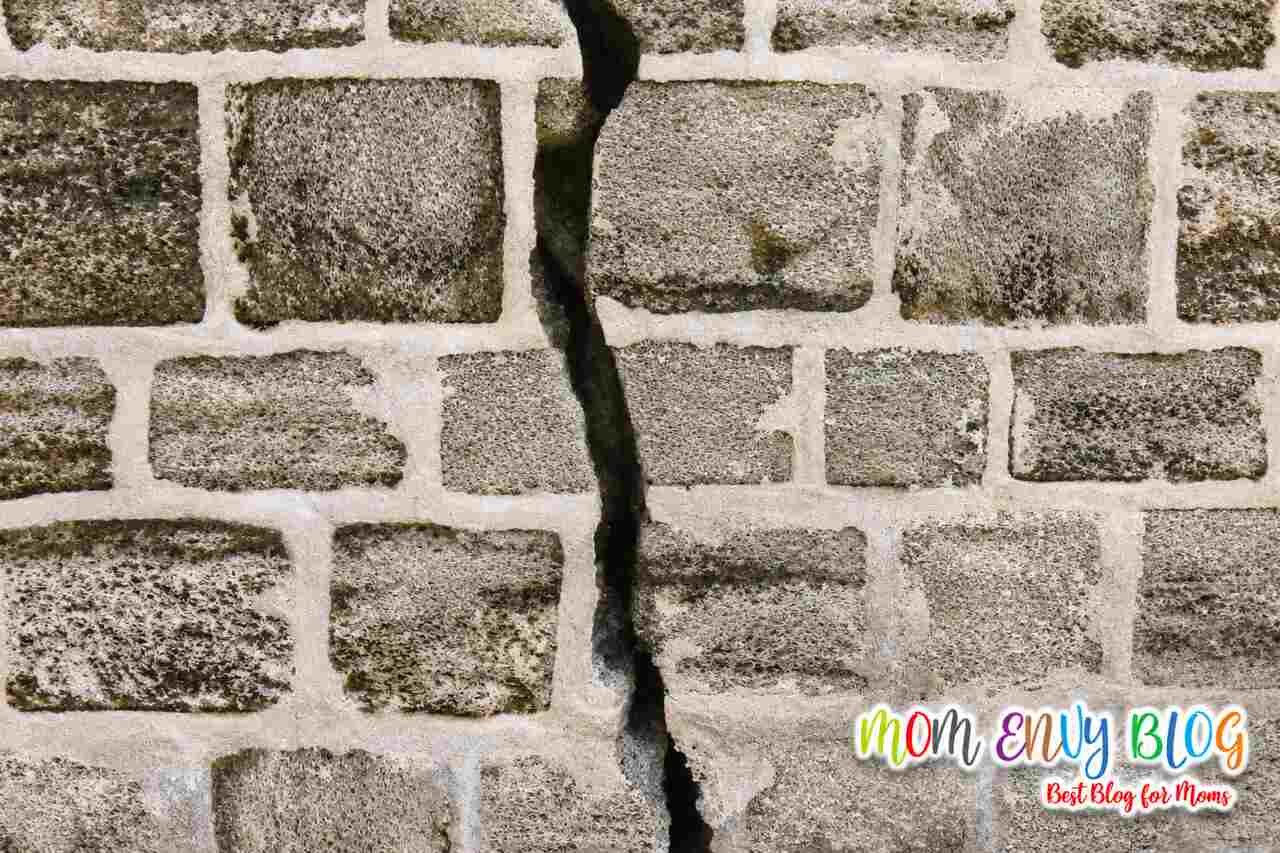
Small changes around your home can reveal normal seasonal movement or the early stages of foundation settling. Soil moisture, drainage and the age of a house all affect how a structure shifts over time. Dry periods and heavy rain can cause the ground to shrink and swell, especially in areas with moisture-sensitive soil. One minor crack may be harmless, but several changes appearing together deserve a closer look. Knowing what to watch helps you respond before sticking doors, wall damage or uneven floors become harder to address.
Sticking Doors and Window Gaps
A door that suddenly rubs against its frame can be an early clue that the opening is no longer square. Check whether it sticks throughout the year or only during humid weather, when wood naturally expands. Foundation movement becomes more likely if several interior doors start catching at once or a door swings open without being pushed.
Look at windows, too. New gaps around frames, difficult operation and cracked caulk may indicate shifting. Exterior openings can also develop leaks when their alignment changes. If you’re already checking window performance, understanding the role of impact windows and doors can help you assess how well exterior openings are holding up against weather and everyday wear.
Keep in mind that one worn hinge or damaged frame is usually a localized maintenance issue.
When Hairline Cracks Become Serious
Thin drywall cracks often form as building materials expand, contract and settle. A straight hairline crack that remains unchanged for years usually causes less concern than one that grows noticeably over several weeks. Pay close attention to diagonal cracks extending from door or window corners, stair-step patterns in masonry and cracks wider than about one-eighth of an inch.
Certain wall cracks can signal more serious movement, particularly when they appear alongside sloping floors, sticking doors or visible separation between walls and ceilings. If several warning signs develop together, arrange an evaluation rather than simply patching the damaged area.
Evaluating Professional Repair Needs
Start with an inspection when several symptoms develop together, damage progresses quickly or you’re preparing to sell the property. A qualified professional should examine the interior and exterior, review drainage conditions and take elevation measurements where appropriate.
A home foundation repair expert can help determine whether the movement points to a structural issue, drainage problem or another underlying cause and explain whether stabilization or targeted repairs are appropriate.
Ask for a written explanation of the findings, the proposed repair method and any warranty terms.
Avoid assuming that every crack requires major structural work. Plumbing leaks, poor grading, tree roots and clogged gutters can change soil moisture near the house and produce similar warning signs. Repair recommendations should connect the visible damage to a specific cause.
If a proposal involves extensive work, seek a second opinion and compare the inspection results, not only the price. Contact a structural engineer when the cause remains unclear or when significant framing movement is suspected.
Simple Ways to Monitor Shifts
Create a basic record before filling cracks or adjusting doors. Photograph each affected area with a ruler in the frame, then label the image with its location and date. Repeat the photo every four to six weeks under similar lighting. A pencil mark at each end of a crack can also show whether it’s extending.
Use a level to check the same section of floor periodically, and note doors or windows that become harder to operate. Outside, watch for soil pulling away from the foundation, standing water after rain and downspouts emptying too close to the house.
Keep gutters clear and direct runoff away according to local drainage conditions. If measurements change, cracks widen or new symptoms appear, take your dated notes and photos to the inspection.
A single cosmetic flaw rarely tells the whole story. The most useful evidence is a pattern: several related changes, documented over time and checked against moisture or drainage conditions. If that pattern is developing, schedule an assessment before patching the visible damage, since fresh paint or filler can hide valuable clues.

