








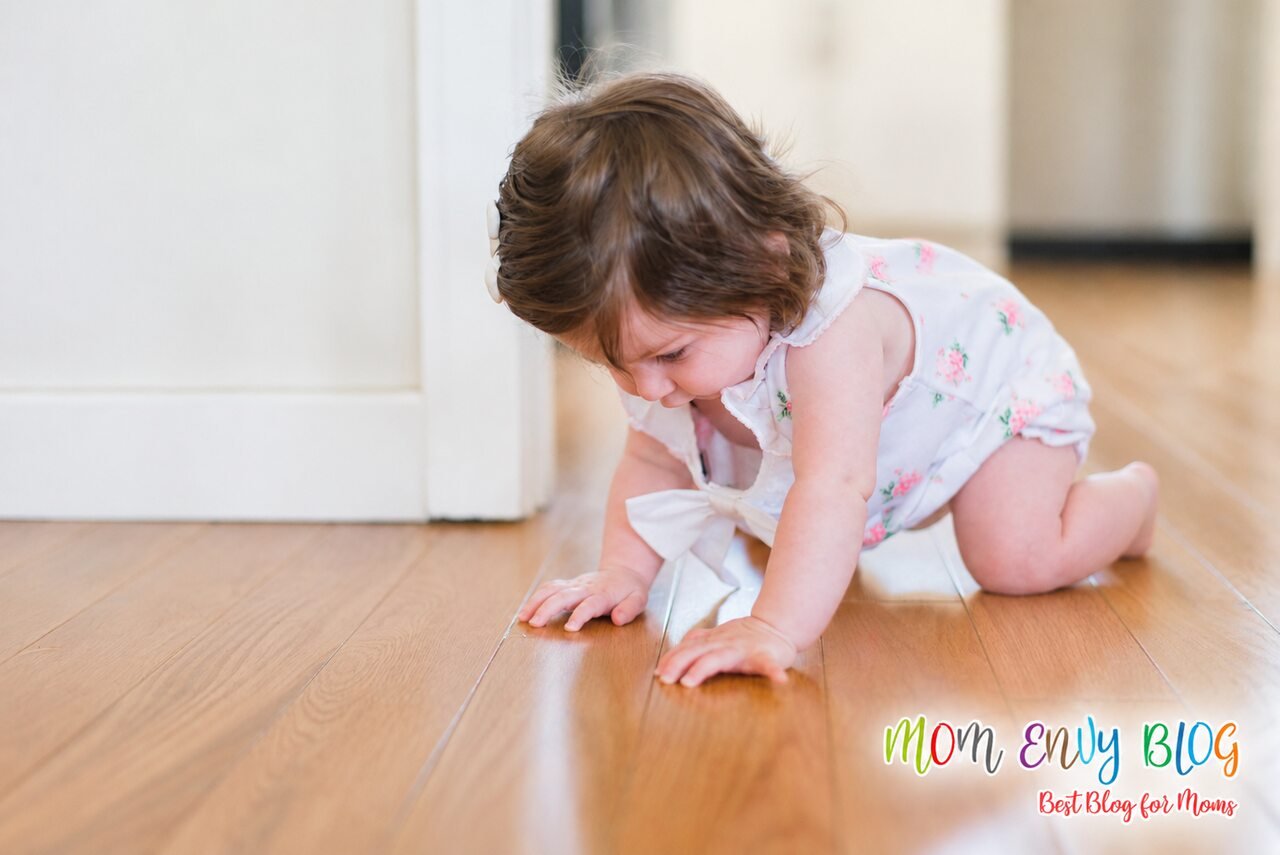
When your baby starts crawling, even the cleanest-looking floors can hide risks you might easily overlook. Rodent droppings, urine, and contaminated surfaces can expose curious little hands and mouths to harmful germs, turning everyday playtime into a health concern. Learn how to spot hidden rodent activity, protect your baby’s environment, and keep your home clean, safe, and worry-free.
Unseen Dangers at Floor Level
Get down on your hands and knees to view each room from your baby’s height. Look under furniture and along walls for loose buttons, coins, medication, peeling paint chips, and electrical cords. Check low shelves for objects a baby could pull down. These floor-level safety checks can also uncover pest activity hidden behind appliances or inside cabinets.
Pay special attention to kitchens, pantries, and utility rooms. Rodents often travel beside walls, leaving dark droppings, shredded packaging, or greasy rub marks. Restricting access matters too. This guide to baby safety gates can help you block stairs and rooms that haven’t been fully baby-proofed.
How Droppings Harm Infant Health
Rodent droppings and urine may carry germs that contaminate floors, toys, and stored food. A crawling infant can touch contaminated material and then put a hand or toy into their mouth. Dust created by sweeping dried waste can also spread small particles through the air.
Treat any droppings as a reason to keep your baby out of the room. If you notice repeated signs, damaged food packaging, or waste in multiple areas, contact a rodent exterminator for an inspection and assessment of the infestation. Avoid vacuuming or dry sweeping droppings. Close off the affected area, ventilate it when practical, and keep children and pets away until cleanup is complete.
When to Hire a Rodent Exterminator
One droppings may point to more activity behind a wall or appliance. Professional help is appropriate when signs return after cleaning, you hear scratching at night, or you find nesting material such as shredded paper and insulation. Gnaw marks on food containers, cabinet corners, or utility openings also suggest an active problem.
A qualified pest professional can identify entry points, assess the extent of the activity, and recommend removal and exclusion measures. Ask how the company protects crawling children during treatment and how long your family should avoid treated spaces. You should also request guidance on sealing gaps around pipes, doors, and vents so the problem doesn’t return after removal.
Kid-Safe Ways to Sanitize Surfaces
Start by moving your baby and all washable toys out of the affected room. Wear disposable gloves, wet visible waste thoroughly with an appropriate disinfectant, and allow the product to remain on the surface for the contact time listed on its label. Pick up the material with paper towels, place it in a sealed bag, and wash your hands after removing the gloves.
Clean hard floors again with a product approved for that surface. Never mix cleaners since combinations involving bleach or ammonia can release dangerous fumes. Wash fabric toys according to their care labels and discard food or porous items that were directly contaminated. Once the area is dry, inspect it from floor level before allowing your baby back.
Regular prevention can keep the cleaned space safer. Store pantry staples in hard containers with secure lids, wipe up crumbs after meals, and repair leaks that provide a water source. Check behind the refrigerator and beneath the sink every week for fresh signs. Your baby’s play mat should be returned only after the floor is clean, dry, and free from both residue and small debris.