






Quick Highlights
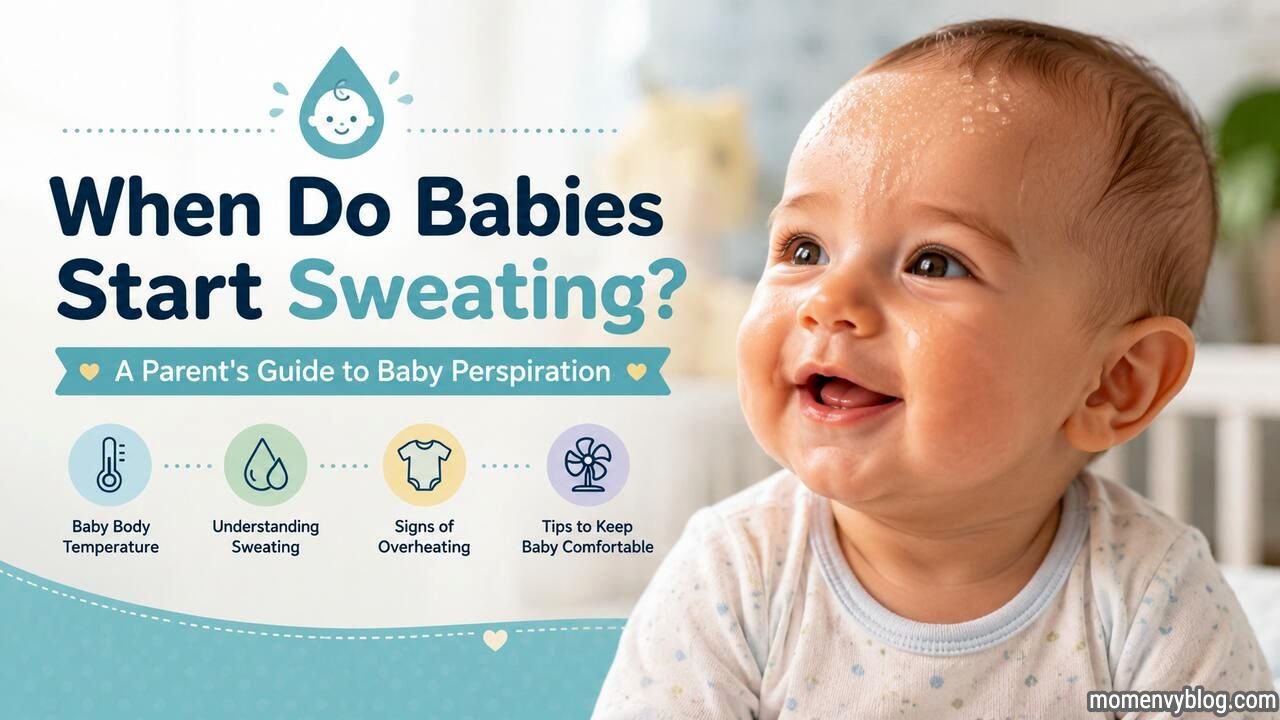
- Most babies start sweating more noticeably between 2 and 6 months old, although sweat glands are present from birth.
- A sweaty head during sleep or feeding is usually normal and rarely a cause for concern.
- If your baby is otherwise healthy, gaining weight, and feeding well, occasional sweating is typically part of normal development.
- Excessive sweating combined with rapid breathing, poor feeding, or slow weight gain should be discussed with a pediatrician.
- Keeping your baby’s room cool and dressing them in breathable layers can help prevent overheating.
Introduction
Many parents are surprised the first time they notice their baby’s head feeling damp during a nap or feeding session. It’s natural to wonder whether sweating is normal and when babies actually begin to sweat.
The short answer is that babies are born with sweat glands and can sweat from birth. However, their sweat glands continue developing after birth, so sweating patterns change during the first year of life. Understanding what’s normal can help you feel more confident and recognize when sweating might signal a problem.
Do Babies Sweat From Birth?
Yes, babies are born with sweat glands.
In fact, the number of sweat glands a person has is established before birth. Newborns already have millions of sweat glands throughout their bodies.
However, these glands are not fully mature at birth. Newborns have a limited ability to regulate body temperature compared to older children and adults. As a result, they may not sweat as efficiently during the first weeks of life.
Many parents notice that newborns sweat mainly on their heads rather than all over their bodies.
Most babies begin sweating more noticeably between 2 and 6 months old.
During this period:
- Sweat glands become more active.
- Babies spend more time moving and exploring.
- Their bodies become better at regulating temperature.
- Parents may notice sweating during sleep, feeding, or warm weather.
By the end of the first year, most babies have a more developed sweating response similar to that of older children.
Why Do Babies Sweat Mostly on Their Heads?
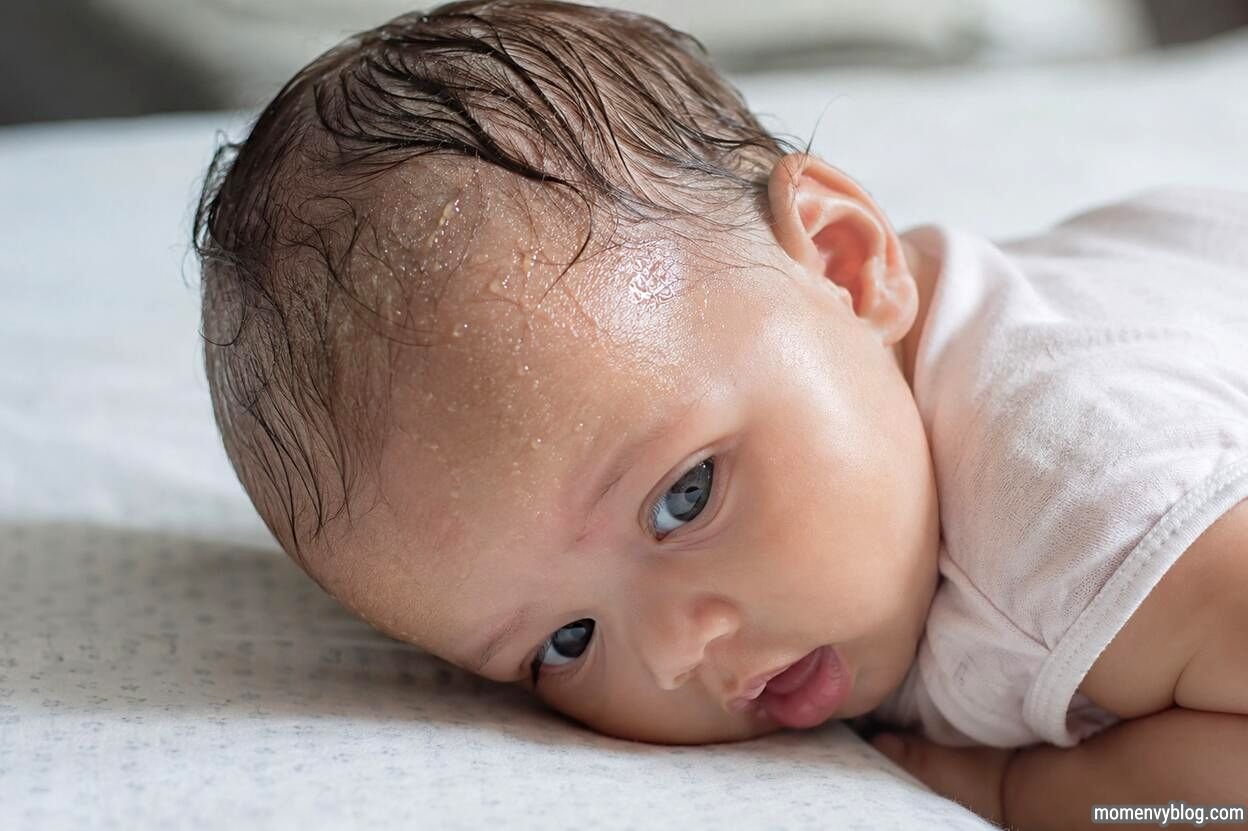
A sweaty head is one of the most common concerns parents mention.
There are several reasons for this:
Babies Spend a Lot of Time Lying Down
When babies sleep, the back of the head rests against a mattress. This can trap heat and make the scalp feel sweaty.
Feeding Requires Effort
Breastfeeding and bottle-feeding can be surprisingly hard work for babies. The physical effort of sucking combined with close body contact can make a baby’s head perspire.
High Concentration of Active Sweat Glands
The scalp contains many active sweat glands, making head sweating more noticeable than sweating elsewhere on the body.
Is It Normal for Babies to Sweat During Sleep?
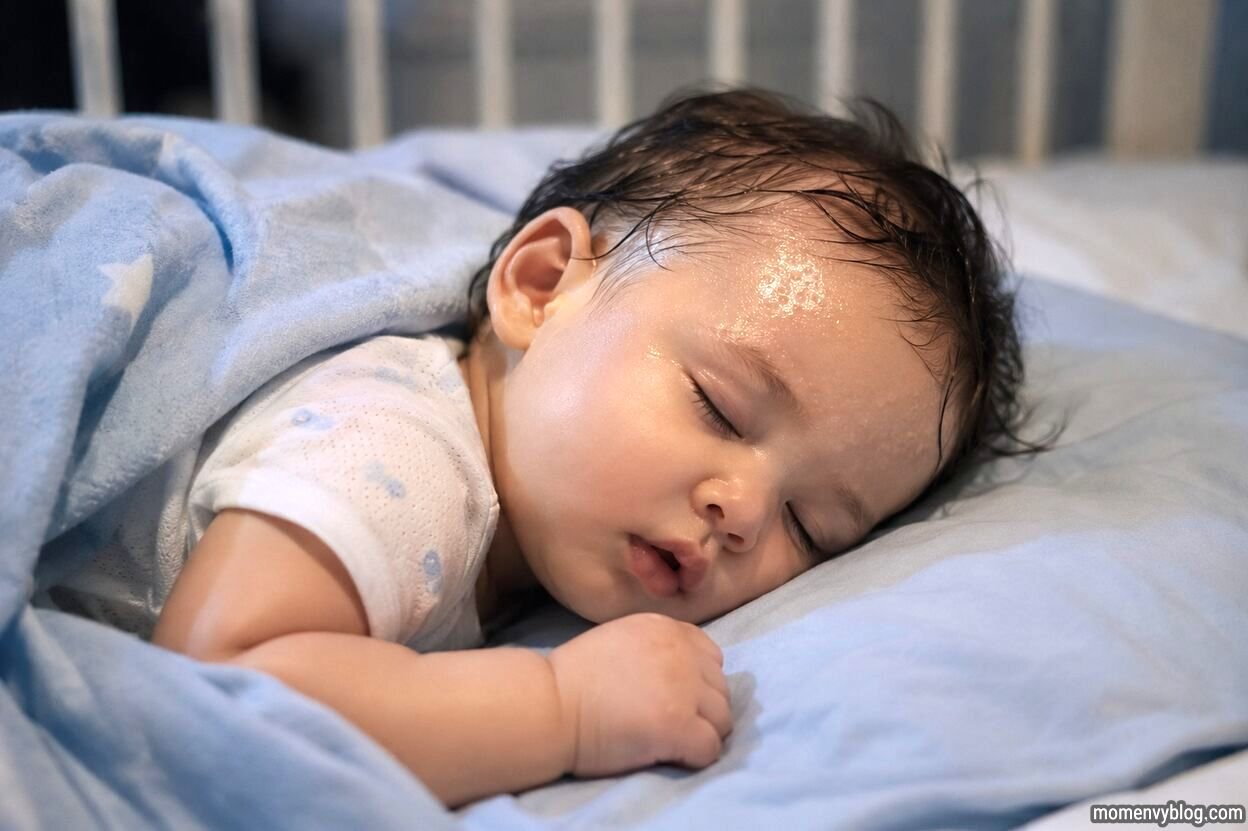
Yes, sweating during sleep is usually normal.
Babies often enter deep sleep stages where sweating may increase. Other common reasons include:
- Warm pajamas
- Heavy blankets
- High room temperatures
- Sleep sacks with excessive insulation
Most pediatric experts recommend maintaining a room temperature between 68°F and 72°F (20°C to 22°C) for infant sleep.
Signs Your Baby May Be Too Warm
Watch for:
- Damp hair
- Flushed cheeks
- Warm chest or back
- Restlessness during sleep
- Excessive sweating throughout the body
If your baby seems overheated, remove a layer of clothing and reassess.
Baby Sweating by Age
| Age | What to Expect |
| Newborn (0-2 months) | Minimal sweating, mostly around the head |
| 2-6 months | Increased sweating becomes noticeable |
| 6-12 months | More mature temperature regulation |
| 12+ months | Sweating patterns become more similar to toddlers |
Common Reasons Babies Sweat
Warm Environment
The most common cause of baby sweating is overheating.
Babies cannot cool themselves as efficiently as adults, making them more sensitive to warm environments.
Physical Activity
As babies learn to roll, crawl, and pull themselves up, sweating may increase during play.
Feeding
The effort involved in feeding can raise body temperature and lead to perspiration.
Fever
A fever may cause sweating, especially when the body is cooling itself after the temperature begins to decrease.
When Should Parents Be Concerned About Excessive Sweating?
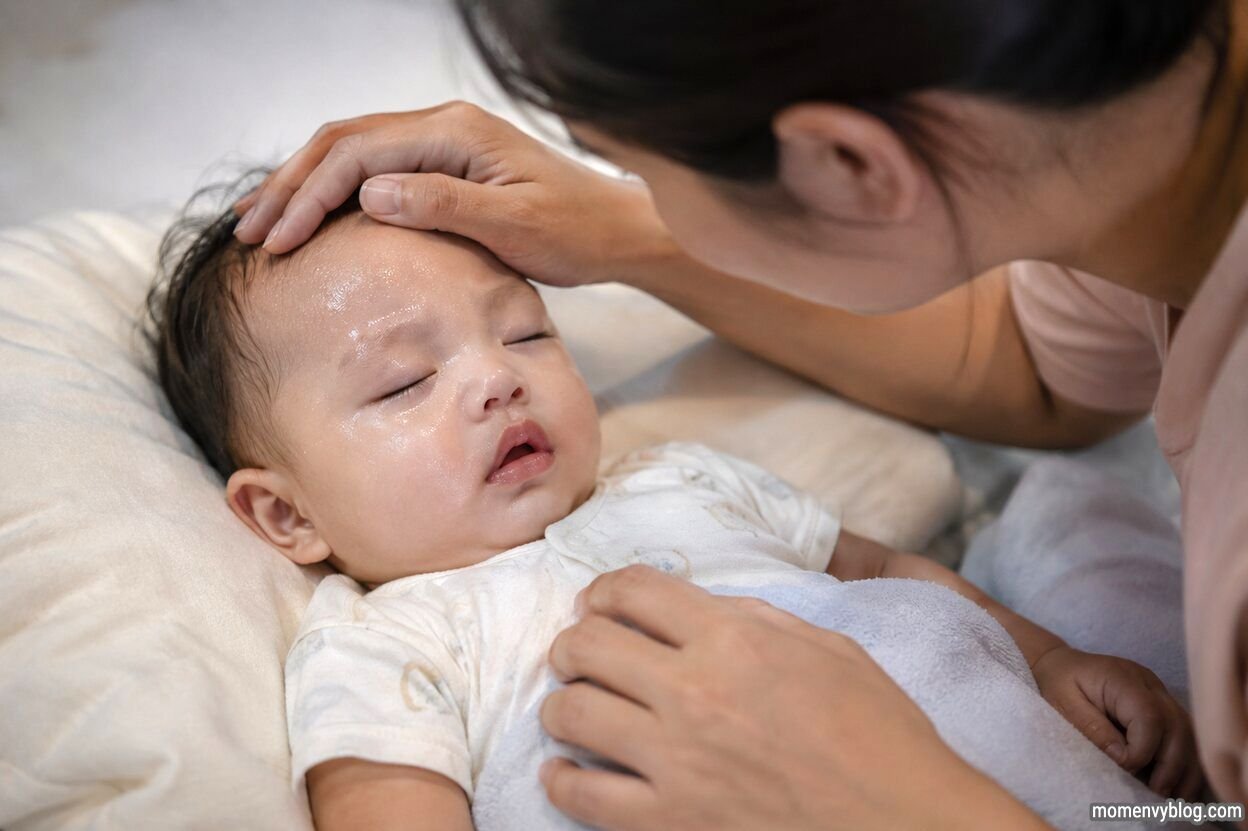
Most sweating is harmless, but certain symptoms deserve medical attention.
Contact your pediatrician if sweating occurs alongside:
- Difficulty feeding
- Rapid breathing
- Persistent coughing
- Blue lips or skin
- Poor weight gain
- Unusual fatigue
- Sweating that seems excessive even in cool temperatures
Rarely, excessive sweating may be associated with underlying medical conditions that require evaluation.
How to Prevent Overheating in Babies
Dress in Appropriate Layers
A simple rule many parents use is to dress a baby in one more layer than an adult would wear comfortably.
Choose Breathable Fabrics
Look for:
- Cotton
- Bamboo fabrics
- Lightweight sleepwear
Avoid heavy synthetic materials that trap heat.
Monitor Room Temperature
Keep the nursery cool and comfortable.
Skip Heavy Blankets
Loose blankets can increase overheating risk. Use a properly fitted sleep sack if needed.
Can Babies Sweat Too Little?
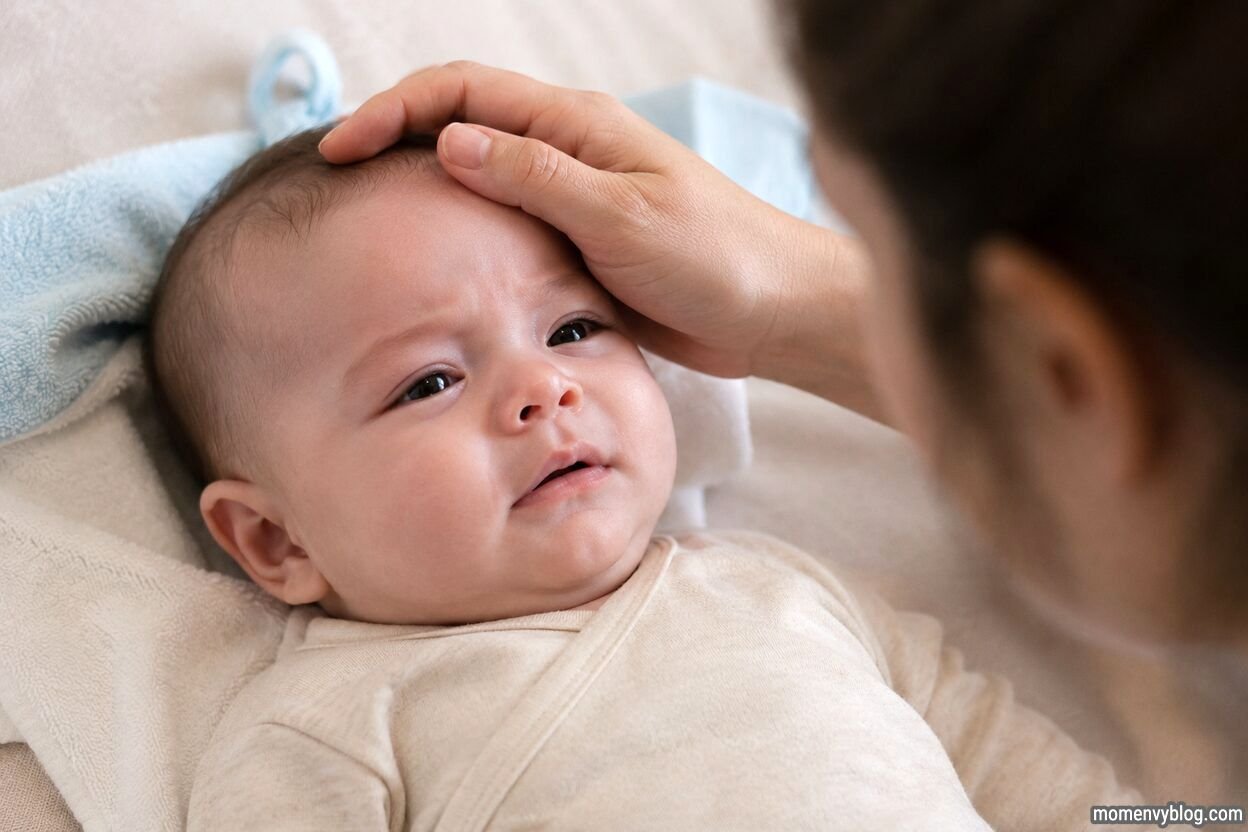
Some babies naturally sweat less than others.
In rare cases, an inability to sweat can affect temperature regulation. If your baby never seems to sweat, even in warm conditions, discuss it with your pediatrician.
For most infants, however, variations in sweating are completely normal.
Frequently Asked Questions
At what age do babies sweat through their clothes?
This can happen at any age if a baby is overdressed or in a warm environment. It becomes more common after 2 to 6 months when sweat glands become more active.
Why does my baby’s head sweat while breastfeeding?
Breastfeeding requires physical effort, and the close skin-to-skin contact creates warmth. A sweaty head during feeding is usually normal.
Is night sweating normal in babies?
Mild sweating during sleep is common. Excessive sweating accompanied by other symptoms should be evaluated by a healthcare provider.
Can newborns sweat under their arms?
Yes, although newborn sweating is often less noticeable than in older babies. Most visible sweating tends to occur around the head and scalp.
Does sweating mean my baby is too hot?
Not always. Babies may sweat during feeding, sleep, or active play. However, persistent sweating can indicate overheating, so it’s worth checking clothing and room temperature.
Final Thoughts
Babies can sweat from birth, but most parents begin noticing it more often between 2 and 6 months of age as sweat glands mature and temperature regulation improves. A sweaty head during feeding or sleep is usually normal and not a cause for concern.
The key is watching the overall picture. If your baby is feeding well, growing appropriately, and seems comfortable, occasional sweating is generally just part of healthy development. If sweating is excessive or accompanied by symptoms such as breathing difficulties or poor weight gain, reach out to your pediatrician for guidance.