










Key Takeaways
- Seal entry points to prevent pests from entering your St. Louis home.
- Maintain cleanliness to eliminate food sources that attract pests in local environments.
- Use natural deterrents and traps specific to pests common in St. Louis.
- Regularly inspect and maintain your home’s exterior and interior, especially in older buildings.
- Seek professional help or guidance when infestations are too extensive for do-it-yourself control.
Table of Contents
- Seal Entry Points
- Maintain Cleanliness
- Use Natural Deterrents
- Regular Inspections
- Professional Assistance
St. Louis homeowners face unique pest challenges year-round due to the region’s changing seasons, abundant green spaces, and proximity to the Mississippi River. These conditions can encourage insects and rodents to migrate from outdoor areas into homes, where they may damage property and pose health risks to families. Implementing effective pest prevention strategies and addressing infestations early can help maintain a safer, healthier, and more comfortable living environment. For those seeking reliable local expertise and customized solutions, visit the website of Pointe Pest Control to learn more about professional services designed to manage the area’s most common pest problems and provide lasting protection for your home.
Unwanted pests such as cockroaches, silverfish, mice, and ants can cause a host of problems, from aggravating allergies to spreading diseases and damaging foundations. In St. Louis’s humid summers, these issues can become particularly acute, making a thoughtful approach to pest control critical for everyone living in the city and surrounding communities. By combining practical tactics with local awareness, residents can significantly reduce the likelihood of infestations and improve their overall quality of life.
Local weather, old architecture, and plentiful green spaces can make St. Louis homes particularly hospitable to a range of pests. Understanding how to adapt your strategies to this environment leads to more effective results. That’s why a blend of prevention, regular inspection, and timely professional intervention is essential for lasting success against critters.
Whether you own a historic home in Soulard or a newer build in Chesterfield, these foundational steps will help protect your investment and your health. A comprehensive approach benefits not just your own property but also contributes to broader community well-being as neighbors work together to prevent pests from spreading.
Seal Entry Points
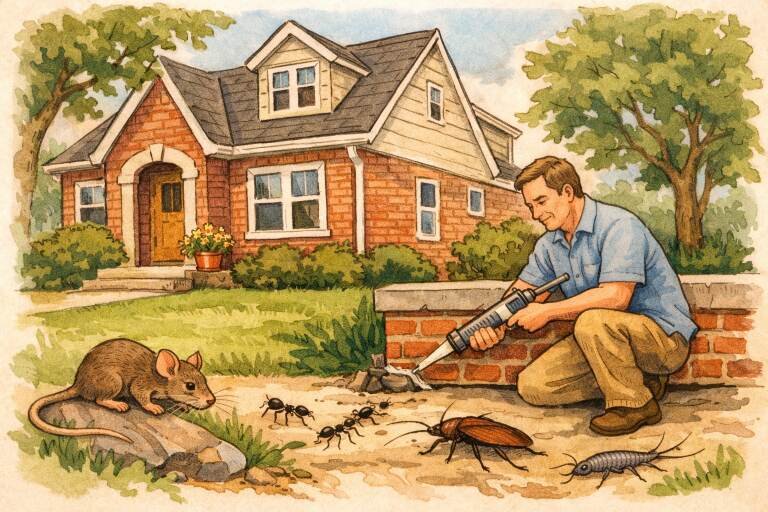
Many of St. Louis’s historic and mid-century homes have foundations or exterior features that leave them vulnerable to pests seeking warmth or food. Examine your home’s exterior walls, windows, and thresholds for cracks, holes, or unsealed joints; these are preferred entry points for ants, spiders, and rodents. Use durable caulking or high-quality weatherstripping to seal gaps, and pay particular attention to utility connections and where brick meets siding. For more information about identifying common entry points, check out this helpful article from Better Homes & Gardens.
Maintain Cleanliness
St. Louis homes can attract a variety of pests in search of abundant food and moisture, particularly during the city’s warm, humid summers. Keep kitchen counters, dining rooms, and pantries tidy, and clean up crumbs promptly. Store all food, including pet food, in sealed containers, and dispose of garbage frequently. Bathrooms and laundry areas should be kept dry to deter silverfish and cockroaches that thrive in damp environments. Consistent cleanliness, especially after large family gatherings or local festivities, dramatically lowers the risk of serious infestations.
Use Natural Deterrents
Many St. Louis residents prefer natural and safe pest control methods to minimize chemical use at home. For example, silverfish can be deterred with bay leaves or cedar shavings in closets, while placing vinegar or peppermint spray near cracks can keep ants and spiders at bay. Diatomaceous earth, a mineral powder available at many local garden centers, works against a wide variety of insects without posing a risk to kids or pets. Additionally, sticky traps can be strategically set in basements and attics to monitor pest activity over time. Strategies like these are particularly useful for proactive control between seasonal pest surges.
Regular Inspections
Routine inspections are the backbone of successful pest prevention in Missouri homes. Check often for telltale signs such as droppings, gnawed packaging, and insect wings, especially in attics, basements, and crawl spaces. Clean gutters and inspect rooflines to prevent water build-up, which attracts mosquitoes and termites. Landscaping should be maintained to keep branches and shrubs away from siding, as they can serve as highways for critters entering through upper windows or vents. This is especially important during the spring rainy season and after strong wind events common to the Midwest.
Professional Assistance
Despite rigorous prevention, some infestations are too entrenched for do-it-yourself methods, especially with pests such as termites or aggressive rodents. St. Louis pest control professionals offer thorough evaluations and region-specific treatments that are more effective and often safer than over-the-counter products. They can also help homeowners learn about preventive measures to avoid future problems. For further details about hiring the right professional pest control service, the EPA’s guide to safe pest management provides valuable insights into what to look for in a reputable provider.
By tailoring these pest prevention and management strategies to St. Louis’s climate and community needs, homeowners can create more secure, comfortable living environments. Ongoing vigilance, community awareness, and appropriate intervention ensure that everyone can enjoy a pest-free home year-round.

