








Quick Highlights
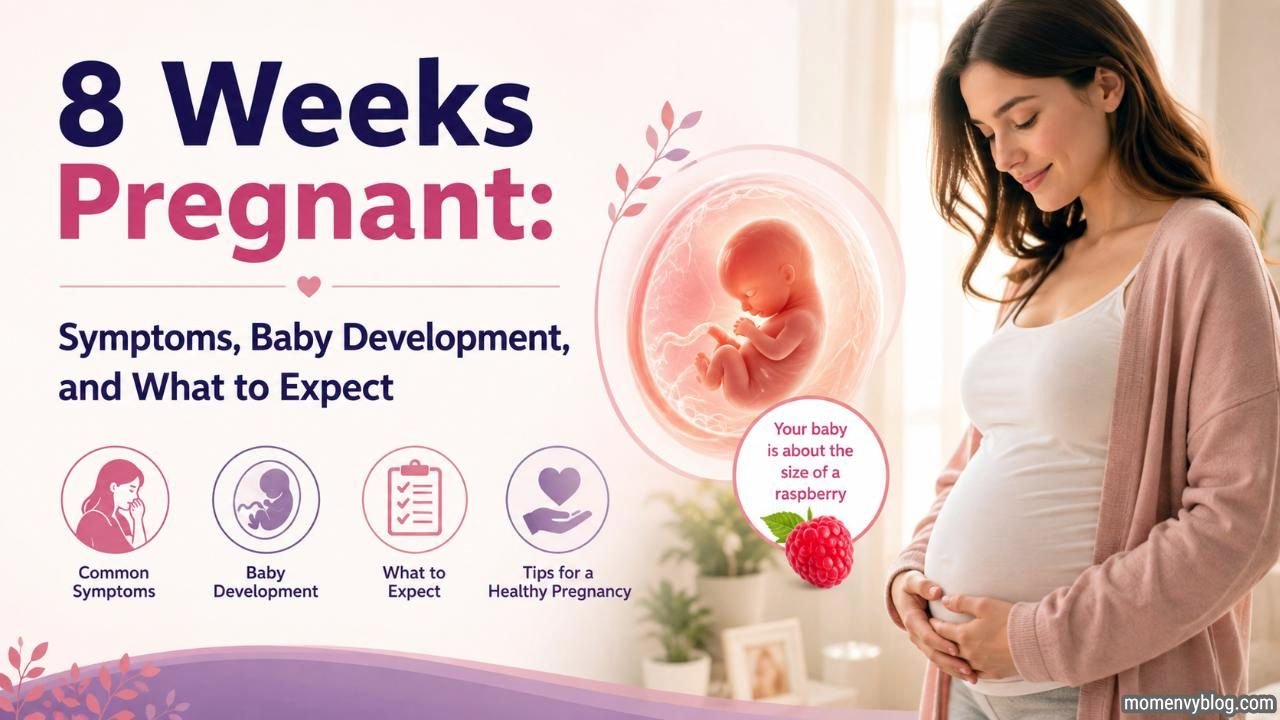
- At 8 weeks pregnant, your baby is a rapidly developing embryo with forming arms, legs, fingers, toes, facial features, and internal organs.
- Nausea, exhaustion, sore breasts, bloating, food aversions, headaches, frequent urination, and mood changes may feel stronger this week.
- Having mild symptoms, changing symptoms, or no symptoms can still be normal.
- A transvaginal ultrasound may show the embryo, yolk sac, gestational sac, and cardiac activity.
- Continue taking a prenatal vitamin containing at least 400 micrograms of folic acid each day.
- Seek urgent medical care for severe or one-sided pain, shoulder pain, fainting, dizziness, or heavy bleeding.
At 8 weeks pregnant, your baby is developing quickly as a tiny embryo. The brain, spinal cord, cardiac tissue, arms, legs, face, and internal organs are continuing to form. You may feel nauseated, exhausted, bloated, emotional, or sensitive to smells, although having few symptoms can also be normal.
In my experience, week 8 can feel like a strange mix of very real symptoms and very little outward change. You may feel completely pregnant while still looking the same to everyone else. That can make the nausea and tiredness harder to explain, especially if you have not shared the news yet.
8 Weeks Pregnant at a Glance
| Pregnancy milestone | What is happening |
| Gestational age | 8 weeks |
| Time since conception | Usually about 6 weeks |
| Developmental stage | Embryo |
| Approximate size | Around half an inch by the end of week 8 |
| Common size comparison | Raspberry or small grape |
| Major development | Brain, face, limbs, fingers, toes, and organs |
| Pregnancy test | Usually clearly positive |
| Ultrasound | Embryo and cardiac activity may be visible |
| Pregnancy bump | Usually not visible yet |
| Trimester | First trimester |
| Time until estimated due date | About 32 weeks |
By the end of week 8, the embryo is around half an inch long, although measurements vary with exact pregnancy dating.
We won’t let you get confused about the earlier weeks. Here’s our 7 Weeks Pregnancy Guide to help you understand what to expect at this stage of your pregnancy.
What Happens at 8 Weeks Pregnant?
Week 8 is part of the first trimester, when major organ development is taking place. Your baby remains in the embryonic stage because the embryo stage continues through the first eight weeks after fertilization.
This week:
- The brain continues growing rapidly.
- The spinal cord and nervous system continue developing.
- Arms and legs become longer.
- Early fingers and toes begin forming.
- Facial features become more defined.
- Eyelids begin developing.
- The digestive tract continues taking shape.
- Cardiac tissue continues developing and circulating blood.
- The placenta and umbilical cord become more established.
Even though the embryo is still tiny, much of the basic body structure is now being laid down.
Baby Development at 8 Weeks Pregnant
The brain is growing quickly
Your baby’s head still looks large compared with the rest of the body because the brain is developing rapidly.
Different regions of the early brain are becoming more distinct, and nerve cells are beginning to form connections. Development will continue throughout pregnancy and long after birth.
The spinal cord and nerves are developing
The neural tube has formed the foundation of the brain and spinal cord. The nervous system will gradually become more complex as the pregnancy progresses.
Folic acid remains important during early pregnancy. The CDC recommends that women capable of becoming pregnant get 400 micrograms of folic acid daily because it helps prevent serious neural tube defects affecting the brain and spine.
Arms and legs are becoming more defined
The arm and leg buds are growing longer.
At the ends of the limbs, early hand and foot areas are beginning to form. Fingers and toes may look webbed because they have not fully separated yet. ACOG notes that arm and leg buds appear first, followed by webbed fingers and toes.
Facial features are developing
Early facial structures continue taking shape, including areas that will become the:
- Eyes
- Eyelids
- Nose
- Upper lip
- Jaw
- Ears
These features are not yet fully formed, but the embryo is starting to look more recognizably human.
Cardiac development continues
The early heart structure continues developing and circulating blood.
A transvaginal ultrasound may detect cardiac activity at 8 weeks. However, the heart is not yet a fully developed four-chambered organ.
The digestive tract is forming
The long tube that will become the digestive tract is taking shape. Early structures that will contribute to the stomach, intestines, liver, and pancreas are also developing.
Early bones and cartilage are developing
The framework for the limbs, hands, and feet is forming from cartilage. This cartilage will gradually begin hardening into bone later.
The placenta is continuing to mature
The placenta is developing stronger connections with your blood supply.
It will eventually:
- Deliver oxygen and nutrients
- Remove waste products
- Produce pregnancy-supporting hormones
- Connect with your baby through the umbilical cord
How Big Is Your Baby at 8 Weeks Pregnant?
By the end of week 8, the embryo is approximately half an inch long, although measurements vary based on exact gestational age.
It is often compared with:
- A raspberry
- A small grape
- A kidney bean
Food comparisons are only visual guides. Ultrasound measurements are more useful for assessing gestational age.
First-trimester crown-to-rump length measurements are considered the most accurate ultrasound method for establishing or confirming pregnancy dating, with an accuracy of approximately five to seven days.
What Does an 8 Weeks Pregnant Belly Look Like?
Most women do not have a clear baby bump at 8 weeks.
Your uterus is growing, but it is still located within the pelvis. If this is your first pregnancy, you may not begin showing until around week 12 or later. Women who have been pregnant before may notice changes sooner because the abdominal and uterine muscles have already stretched.
Your stomach may look or feel fuller because of:
- Bloating
- Gas
- Constipation
- Fluid retention
- Slower digestion
- Normal differences in body shape
I remember wanting to know whether every bit of early fullness was a bump. At 8 weeks, it is usually bloating rather than the size of the baby, but wearing softer waistbands can still make you much more comfortable.
8 Weeks Pregnant Symptoms
Common symptoms at 8 weeks may include morning sickness, sore breasts, headaches, mood swings, a metallic taste, new food preferences, a stronger sense of smell, milky discharge, light spotting, and period-like cramping.
Nausea and vomiting
Morning sickness may be strong at 8 weeks.
Nausea can happen:
- When you wake up
- When your stomach is empty
- After eating
- Around strong smells
- In the afternoon or evening
- Throughout the day
You may feel sick without vomiting, or you may vomit occasionally.
Helpful strategies include:
- Eating a plain snack before getting out of bed
- Eating small amounts every few hours
- Avoiding an empty stomach
- Choosing cold foods with less smell
- Sipping fluids between meals
- Keeping crackers nearby
- Avoiding greasy or strongly scented meals
- Resting when tired
Contact a healthcare professional if you cannot keep fluids down, urinate very little, feel faint, lose weight, or show signs of dehydration.
Extreme tiredness
Feeling exhausted is common during the first 12 weeks because hormonal changes can make you feel tired, nauseated, and emotional.
You may feel tired even after sleeping well or find ordinary tasks more difficult.
Try to:
- Move bedtime earlier
- Take short breaks
- Eat regularly
- Drink enough fluids
- Accept offers of help
- Reduce nonessential commitments
This is often one of the hardest symptoms to explain because there is no visible bump yet. Your body is still doing demanding work.
Sore or swollen breasts
Your breasts may feel:
- Tender
- Heavy
- Fuller
- Tingly
- Sensitive around the nipples
The areolas may darken, and the small glands around them may become more noticeable.
A supportive, wire-free bra may help.
Food aversions
You may suddenly dislike foods you usually enjoy.
Common triggers include:
- Coffee
- Meat
- Eggs
- Fried foods
- Garlic
- Spicy meals
- Certain vegetables
- Hot food smells
Find another source of the same nutrients rather than forcing yourself to eat something that makes you sick.
Food cravings
You may strongly want certain foods or combinations.
Cravings do not reliably reveal the baby’s sex or prove you lack a specific nutrient.
Speak with your healthcare provider if you crave nonfood items such as:
- Soil
- Clay
- Chalk
- Paper
- Laundry starch
- Large quantities of ice
These cravings can be associated with pica and may need evaluation.
Heightened sense of smell
Everyday smells may suddenly feel much stronger.
Possible triggers include:
- Perfume
- Coffee
- Smoke
- Cooked meat
- Cleaning products
- Refrigerators
- Pet food
- Toiletries
Good ventilation, cold meals, and help with cooking may make symptoms more manageable.
Metallic taste
A metallic or bitter taste is a common early-pregnancy symptom.
You may find relief by:
- Sipping cold water
- Chewing sugar-free gum
- Brushing your tongue gently
- Using plastic utensils
- Eating tart foods if they do not worsen nausea or heartburn
Frequent urination
You may need to urinate more often because of hormonal changes and increased blood flow to the kidneys.
Continue drinking enough water.
Contact your healthcare provider if urination causes:
- Burning
- Pain
- Fever
- Cloudy urine
- Blood in the urine
- Back or side pain
These symptoms may indicate a urinary tract infection.
Mild cramping
Mild, period-like cramping can happen at 8 weeks.
It may feel like:
- Gentle pulling
- Brief twinges
- Low pelvic pressure
- Light menstrual cramps
Possible causes include normal uterine changes, increased blood flow, gas, and constipation.
Seek medical advice if the pain is severe, worsening, persistent, or mainly on one side.
Light spotting
Light spotting may occur in early pregnancy, but any bleeding should be discussed with a healthcare professional.
Bleeding during the first trimester can be associated with several causes, including cervical irritation, miscarriage, or ectopic pregnancy. MedlinePlus advises contacting a healthcare professional about bleeding during the first three months of pregnancy.
Seek urgent care if bleeding is heavy or accompanied by pain, cramping, dizziness, or fainting.
Bloating
Pregnancy hormones may slow digestion, causing your stomach to feel swollen or tight.
You may notice more bloating after:
- Large meals
- Carbonated drinks
- Salty foods
- Eating quickly
- Sitting for long periods
Smaller meals, water, and gentle activity may help.
Constipation
Slower digestion can make bowel movements less frequent or more difficult.
Try:
- Drinking plenty of water
- Eating vegetables and fruit
- Choosing whole grains
- Adding beans and lentils
- Staying gently active
- Increasing fiber gradually
Ask your healthcare provider before taking laxatives or other constipation medicines.
Increased vaginal discharge
Thin, white, or milky discharge can be normal during pregnancy.
Contact your healthcare provider if the discharge becomes:
- Green or gray
- Strongly yellow
- Foul-smelling
- Itchy
- Painful
- Associated with burning
- Accompanied by pelvic discomfort
Headaches
Headaches may be caused by:
- Hormonal changes
- Dehydration
- Fatigue
- Hunger
- Stress
- Caffeine withdrawal
- Poor sleep
Try drinking water, eating regular meals, resting, and limiting screen glare.
Ask a healthcare professional before taking pain medicine during pregnancy.
Seek urgent care for a sudden severe headache, weakness, confusion, fainting, or vision changes.
Mood changes
You may feel excited, worried, irritable, tearful, or emotionally overwhelmed.
Hormones, tiredness, nausea, previous pregnancy experiences, and uncertainty can all affect your mood.
Speak with a healthcare professional if anxiety, sadness, panic, or intrusive thoughts are interfering with your daily life.
Is It Normal to Have No Symptoms at 8 Weeks Pregnant?
Yes. Some women have few or no noticeable symptoms at 8 weeks and still have healthy pregnancies.
Every pregnancy is different, and not everyone experiences all common early symptoms.
Symptoms may depend on:
- Hormone levels
- Individual sensitivity
- When ovulation occurred
- Whether your dates are accurate
- Differences between pregnancies
Symptoms may also change from day to day. A temporary decrease in nausea, fatigue, or breast soreness does not automatically mean something is wrong.
Contact your healthcare provider if a symptom change happens with significant bleeding, severe pain, dizziness, or fainting.
Can You Get a Positive Pregnancy Test at 8 Weeks?

Yes. A home pregnancy test should normally be clearly positive at 8 weeks when your pregnancy dates are accurate.
A negative result could mean:
- Your dates are incorrect.
- The test was expired.
- The test was used incorrectly.
- Your urine was very diluted.
- You are not pregnant.
Speak with a healthcare provider if you believe you are 8 weeks pregnant but continue getting negative tests, especially if you have pelvic pain, bleeding, or an absent period.
Should You Keep Taking Pregnancy Tests?
Repeated testing is not usually helpful after a clear positive result.
Pregnancy test line darkness can be affected by:
- Urine concentration
- Test brand
- Test sensitivity
- Time of day
- Reading time
- Manufacturing differences
Home tests are designed to detect hCG, not monitor whether a pregnancy is developing normally.
What Are Normal hCG Levels at 8 Weeks?
hCG levels vary widely between healthy pregnancies.
One hCG number cannot reliably tell you:
- Whether the pregnancy is healthy
- Whether cardiac activity is present
- Whether you are carrying twins
- Whether your dates are accurate
When hCG testing is medically needed, healthcare professionals consider the trend together with ultrasound findings, symptoms, and pregnancy history.
Do not compare your number with another person’s result. Healthy pregnancies can have very different hCG levels at the same estimated gestational age.
Can You See the Baby on an Ultrasound at 8 Weeks?
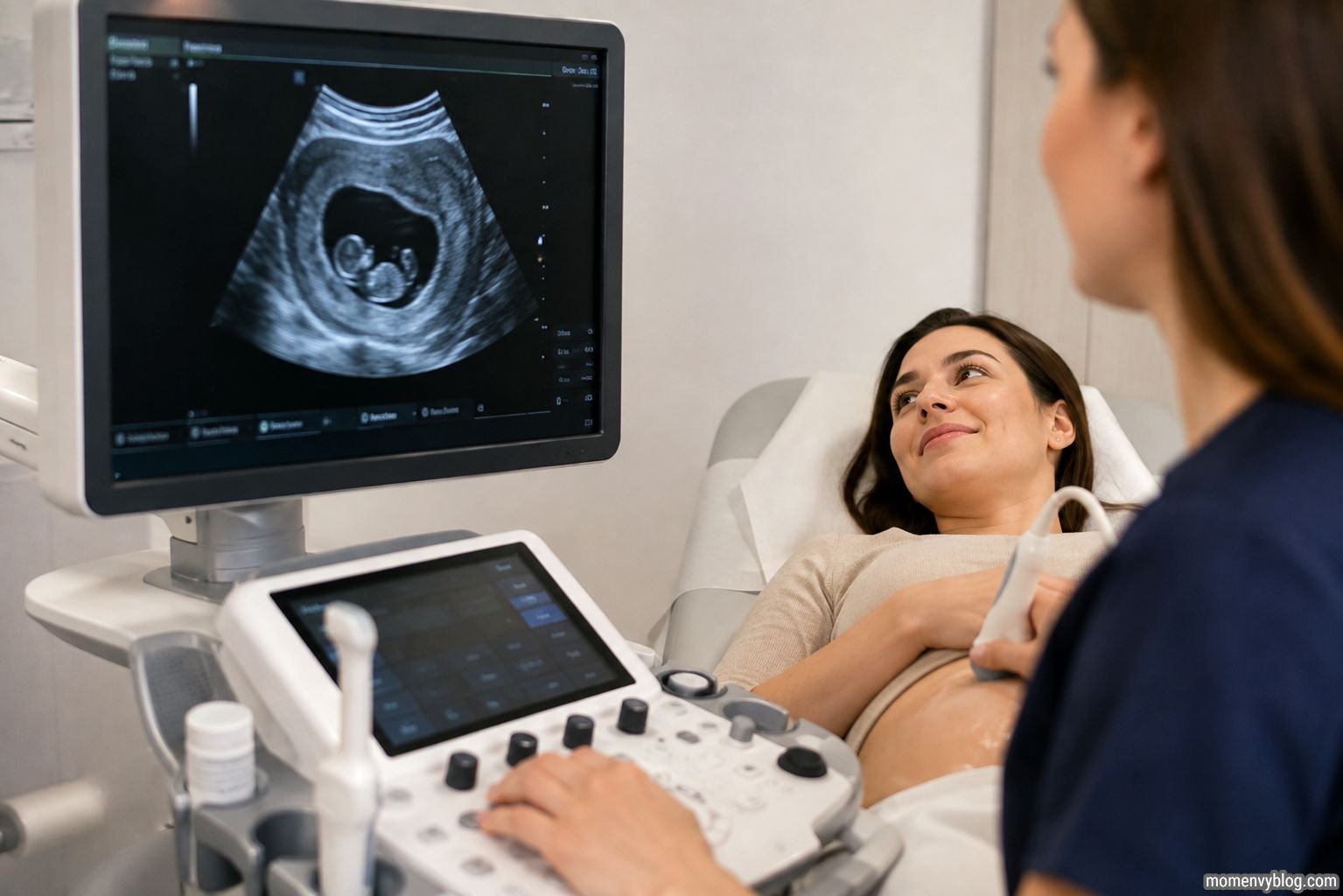
A transvaginal ultrasound at 8 weeks may show:
- A gestational sac
- A yolk sac
- An embryo
- Cardiac activity
- The pregnancy’s location
- Crown-to-rump length
- Whether more than one embryo is present
An abdominal ultrasound may provide less detail, especially if pregnancy dates are uncertain.
First-trimester ultrasound measurements are the most accurate method of confirming gestational age.
Should Cardiac Activity Be Visible at 8 Weeks?
Cardiac activity is commonly visible during a transvaginal ultrasound at 8 weeks.
However, pregnancy dating may be inaccurate when:
- Ovulation happened later
- Menstrual cycles are irregular
- The last menstrual period date is uncertain
- Implantation happened later than expected
If the scan is inconclusive, your healthcare provider may recommend:
- A repeat ultrasound
- Review of pregnancy dates
- Repeat hCG testing when medically appropriate
- Follow-up after a suitable interval
A diagnosis should not be made from one unclear early scan without considering measurements, symptoms, and follow-up findings.
What If the Baby Measures Behind?
An embryo may measure several days behind because:
- Ovulation happened later than expected.
- Your cycle is longer than 28 days.
- Implantation occurred later.
- Your menstrual date is uncertain.
- Early measurements have a small margin of variation.
A crown-to-rump length measurement in the first trimester can estimate gestational age within approximately five to seven days.
Your healthcare provider may recommend another scan to assess growth.
Can You Hear the Heartbeat at 8 Weeks?
A handheld Doppler usually cannot reliably detect cardiac activity at 8 weeks.
A transvaginal ultrasound may show and measure cardiac activity, but a home Doppler is not expected to find it this early.
Trying to listen at home can create unnecessary anxiety. Even trained professionals may not detect it externally until later.
When Is the First Prenatal Appointment?
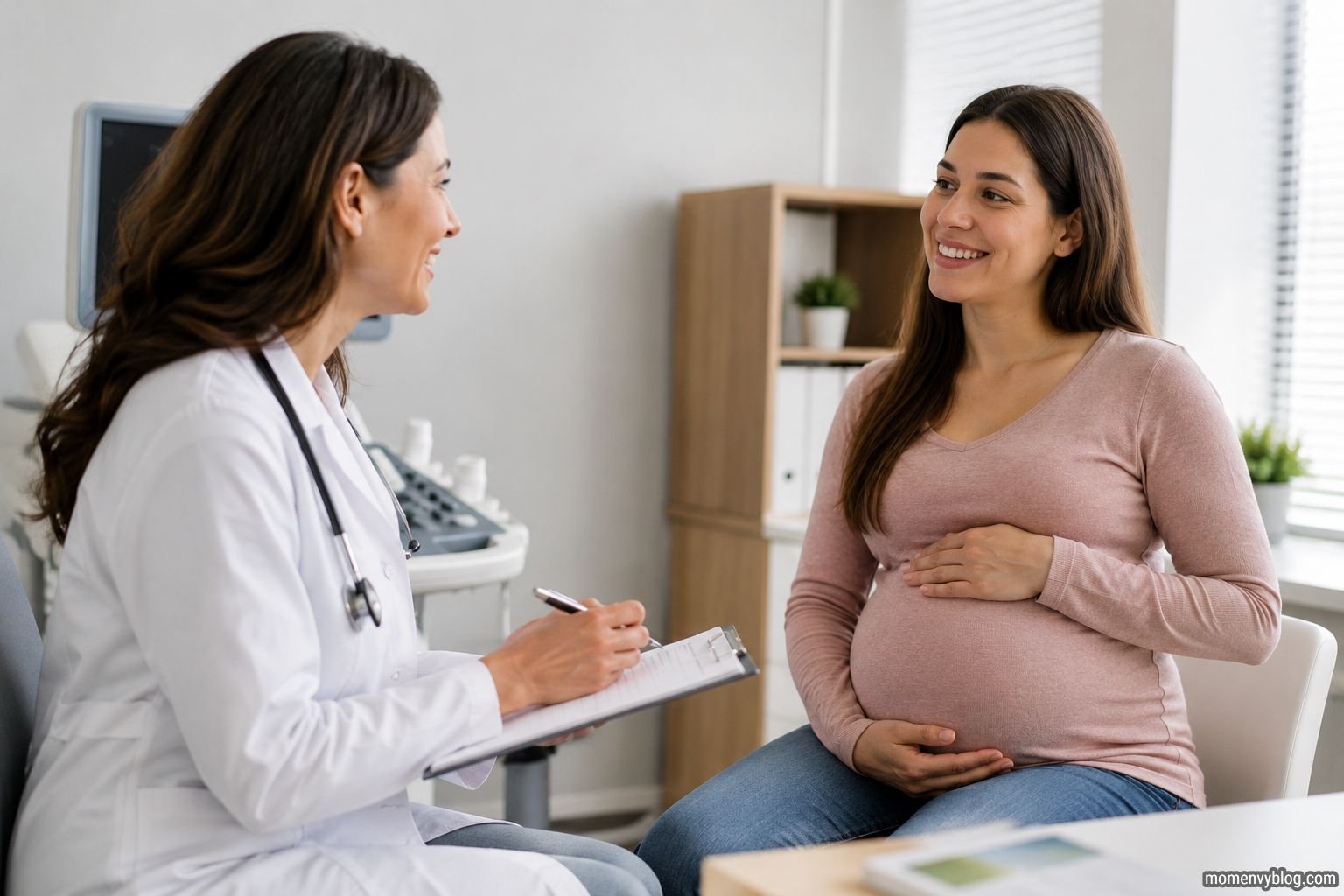
If you have not already contacted a prenatal care provider, this is a good time to do so.
Your first appointment may include:
- Reviewing the first day of your last menstrual period
- Estimating your due date
- Discussing previous pregnancies
- Reviewing medical and family history
- Checking medicines and supplements
- Measuring blood pressure and weight
- Ordering urine and blood tests
- Discussing genetic and prenatal screening
- Reviewing nutrition and food safety
- Explaining warning signs
- Planning future appointments
Bring a complete list of your medications, vitamins, herbal products, and supplements.
What Should You Do at 8 Weeks Pregnant?
1. Continue taking folic acid
Take a prenatal vitamin containing at least 400 micrograms of folic acid daily, unless your healthcare provider recommends a different amount.
The CDC recommends 400 micrograms daily before and during early pregnancy to help prevent neural tube defects.
Do not take several prenatal vitamins together unless instructed.
2. Arrange prenatal care
Contact a doctor, midwife, or maternity provider if you have not done so.
Ask:
- When should my first appointment be?
- Are my medications safe?
- Do I need an ultrasound?
- What can I take for nausea?
- Which prenatal screening options are available?
- Which symptoms require urgent care?
3. Review medicines and supplements
Ask a healthcare professional about:
- Prescription medicines
- Pain relievers
- Cold and allergy medicines
- Sleep products
- Herbal remedies
- Skin treatments
- Vitamins
- Workout supplements
- Weight-loss products
Do not suddenly stop prescribed medication without professional guidance.
4. Avoid alcohol
The safest approach is to avoid alcohol during pregnancy.
Do not panic if you drank before knowing you were pregnant. Stop now and discuss any concerns with your healthcare provider.
5. Avoid smoking, vaping, and recreational drugs
Ask for professional help if stopping is difficult.
Support should be practical and nonjudgmental.
6. Follow pregnancy food-safety guidance
Depending on local recommendations, avoid or take care with:
- Raw or undercooked meat
- Raw shellfish
- Raw or undercooked eggs
- Unpasteurized dairy products
- Raw sprouts
- Unwashed produce
- Fish high in mercury
- Refrigerated foods stored incorrectly
Follow guidance from your local health authority because recommendations vary by country.
7. Eat small, manageable meals
Nausea can make a perfectly balanced diet difficult.
Try foods such as:
- Toast
- Crackers
- Rice
- Potatoes
- Bananas
- Yogurt
- Oatmeal
- Eggs
- Soup
- Nut butter
- Cold fruit
- Mild sandwiches made with pregnancy-safe ingredients
Aim for balance across several days instead of expecting every meal to be ideal.
8. Stay hydrated
Small, frequent sips may be easier than drinking a full glass.
Try:
- Cold water
- Ice chips
- Diluted juice
- Soup
- Fruit with high water content
- Pregnancy-safe electrolyte drinks
Contact your healthcare provider if you cannot keep fluids down.
9. Monitor caffeine
Caffeine can come from:
- Coffee
- Tea
- Cola
- Energy drinks
- Chocolate
- Some medicines
Track your total intake and follow your healthcare provider’s recommended limit.
10. Continue suitable physical activity
Most women with uncomplicated pregnancies can continue moderate exercise.
Options may include:
- Walking
- Swimming
- Stationary cycling
- Gentle strength training
- Low-impact exercise
- Prenatal yoga
Stop and seek advice if you experience bleeding, significant pain, faintness, chest pain, or unusual shortness of breath.
11. Rest when possible
Rest may be difficult when you have children, work, or household responsibilities.
Small adjustments can help:
- Go to bed earlier.
- Sit while preparing food.
- Keep simple meals ready.
- Divide chores into shorter tasks.
- Ask someone else to cook strong-smelling meals.
- Accept help without feeling guilty.
What Should You Avoid at 8 Weeks Pregnant?

Avoid:
- Alcohol
- Smoking and vaping
- Recreational drugs
- Medicines that have not been reviewed
- High-dose supplements unless prescribed
- Raw or unsafe foods
- Fish high in mercury
- Excessive caffeine
- Harmful chemical exposure
- Activities that cause overheating
- Crash dieting
- Starting an extreme exercise routine
Ordinary walking, bending, climbing stairs, safe household activity, work, and sex do not usually cause miscarriage in an uncomplicated pregnancy.
Can Sex Cause Miscarriage at 8 Weeks?
Sex does not normally cause miscarriage in an uncomplicated pregnancy.
The embryo is developing securely within the uterus and cannot be dislodged by intercourse.
Mild cramping or light spotting may sometimes happen afterward because the cervix can be more sensitive during pregnancy.
Contact your healthcare provider if you experience:
- Heavy bleeding
- Severe pain
- Persistent cramping
- Fluid leakage
- Symptoms that worry you
- Specific restrictions from your care provider
Is Cramping Normal at 8 Weeks Pregnant?
Mild cramping can be normal at 8 weeks.
It may feel like:
- Light period cramps
- Gentle pulling
- Brief twinges
- Low pelvic pressure
Gas and constipation may also cause discomfort.
Seek medical advice if the pain is:
- Severe
- Getting worse
- Persistent
- Mainly on one side
- Accompanied by bleeding
- Associated with dizziness or fainting
Is Bleeding Normal at 8 Weeks Pregnant?

Light spotting can occur, but any bleeding during pregnancy should be discussed with a healthcare professional.
MedlinePlus advises contacting a healthcare provider right away for bleeding during the first three months because it may be associated with miscarriage or ectopic pregnancy.
Seek urgent care for:
- Heavy bleeding
- Bleeding with pain or cramping
- Dizziness with bleeding
- Abdominal or pelvic pain
- Fainting
- Shoulder pain
Ectopic Pregnancy Warning Signs at 8 Weeks
An ectopic pregnancy occurs when a fertilized egg implants outside the main cavity of the uterus, most often in a fallopian tube.
Early signs may include light vaginal bleeding and pelvic pain. Emergency symptoms can include abdominal pain, shoulder pain, dizziness, or fainting.
Seek urgent medical care for:
- Severe abdominal or pelvic pain
- Pain mainly on one side
- Shoulder-tip pain
- Heavy bleeding
- Dizziness
- Weakness
- Fainting
- Intense rectal pressure
Do not wait for a routine prenatal appointment when these symptoms occur.
What Are the Signs of Miscarriage at 8 Weeks?
Possible signs of early pregnancy loss include:
- Vaginal spotting or bleeding
- Abdominal or lower-back cramping
- Passing fluid
- Passing clots or tissue
- Dark-colored discharge
Some women experience spotting and do not miscarry, so symptoms alone cannot confirm a pregnancy loss. Contact your healthcare provider about any bleeding.
A decrease in nausea, fatigue, or breast tenderness does not by itself prove that a miscarriage has happened.
Can You Be 8 Weeks Pregnant With Twins?
Yes. A twin pregnancy may be identified during an ultrasound at 8 weeks.
The scan may show:
- Two gestational sacs
- Two yolk sacs
- Two embryos
- Cardiac activity in each embryo
However, twins cannot be reliably diagnosed from:
- Strong nausea
- Severe fatigue
- A dark pregnancy-test line
- Early bloating
- A single hCG result
Ultrasound is the reliable way to identify a multiple pregnancy.
How Many Months Is 8 Weeks Pregnant?
At 8 weeks, you are generally considered to be about 2 months pregnant and still in the first trimester.
Healthcare providers track pregnancy by weeks and days because calendar months do not divide evenly into pregnancy weeks.
Your 8 Weeks Pregnant Checklist
Continue taking a prenatal vitamin with folic acid.
Contact a prenatal care provider if you have not already.
Review every medicine and supplement.
Avoid alcohol, smoking, vaping, and recreational drugs.
Follow pregnancy food-safety guidance.
Eat small meals to manage nausea.
Sip fluids regularly.
Monitor caffeine intake.
Rest when your body needs it.
Continue suitable physical activity.
Prepare questions for your prenatal visit.
Ask for help if vomiting becomes difficult to manage.
Learn the warning signs of ectopic pregnancy.
Seek care for severe pain or heavy bleeding.
Read the 9 Weeks Pregnant guide next.
What Happens at 9 Weeks Pregnant?
At 9 weeks pregnant, development continues rapidly and your baby is entering a new stage.
During the next week:
- The head becomes more rounded.
- The arms and legs continue lengthening.
- Fingers and toes become more defined.
- Early joints allow small movements.
- Internal organs continue developing.
- The placenta continues taking over pregnancy support.
- Nausea and fatigue may remain strong.
- Your first prenatal appointment may be approaching.
Next article: 9 Weeks Pregnant: Symptoms, Baby Development, and What to Expect
FAQ’s
What is happening at 8 weeks pregnant?
Your baby is a tiny embryo developing the brain, spinal cord, face, arms, legs, fingers, toes, digestive tract, and other major organs. Major organ development takes place during the first trimester.
What symptoms are common at 8 weeks pregnant?
Common symptoms include nausea, sore breasts, headaches, mood changes, food aversions, smell sensitivity, metallic taste, mild cramping, spotting, and milky discharge.
Is it normal to have no symptoms at 8 weeks?
Yes. Every pregnancy is different, and some healthy pregnancies cause few noticeable symptoms.
Can morning sickness get worse at 8 weeks?
Yes. Nausea may feel stronger at 8 weeks. Contact your healthcare provider if you cannot keep liquids down or develop signs of dehydration.
How big is the baby at 8 weeks?
By the end of week 8, the embryo is approximately half an inch long, although measurements vary.
Can you see the baby on an ultrasound at 8 weeks?
A transvaginal ultrasound may show the gestational sac, yolk sac, embryo, crown-to-rump length, and cardiac activity.
Should cardiac activity be visible at 8 weeks?
It is commonly visible, but inaccurate dates or later ovulation can make a pregnancy appear younger than expected. Your healthcare provider may recommend a repeat scan if the result is unclear.
Can you hear the heartbeat at 8 weeks?
A handheld Doppler usually cannot reliably detect cardiac activity this early. It may be seen during a transvaginal ultrasound.
Is cramping normal at 8 weeks?
Mild, occasional cramping can be normal. Severe, worsening, persistent, or one-sided pain requires medical assessment.
Is spotting normal at 8 weeks?
Light spotting can occur, but all bleeding during early pregnancy should be discussed with a healthcare professional.
Can I have a baby bump at 8 weeks?
A clear pregnancy bump is not usually visible yet. Bloating, gas, constipation, or a previous pregnancy may make your abdomen look fuller.
Why am I so tired at 8 weeks?
Hormonal changes commonly cause exhaustion during the first 12 weeks.
Can symptoms come and go at 8 weeks?
Yes. Symptoms may change from day to day. A temporary decrease does not by itself indicate a problem.
Can sex cause miscarriage at 8 weeks?
Sex does not normally cause miscarriage in an uncomplicated pregnancy.
Can I exercise at 8 weeks pregnant?
Most women with uncomplicated pregnancies can continue moderate physical activity. Ask your healthcare provider about personal restrictions.
Should I still take folic acid at 8 weeks?
Yes. The CDC recommends 400 micrograms of folic acid daily before and during early pregnancy to help prevent neural tube defects.
When should I contact my healthcare provider?
Contact your provider about bleeding, persistent pain, severe vomiting, dehydration, painful urination, fever, medication concerns, or any symptoms that worry you.
When should I seek emergency care?
Seek urgent care for severe or one-sided abdominal pain, shoulder pain, heavy bleeding, dizziness, weakness, or fainting. These may be warning signs of ectopic pregnancy or another serious condition.
How many months is 8 weeks pregnant?
Eight weeks pregnant is generally considered about two months pregnant and part of the first trimester.
The Bottom Line
At 8 weeks pregnant, your baby is developing rapidly as a tiny embryo. The brain, spinal cord, face, arms, legs, fingers, toes, digestive tract, and other major organs are continuing to form.
You may experience nausea, exhaustion, sore breasts, headaches, bloating, food aversions, mild cramping, or frequent urination. You may also have few symptoms, and symptoms may change from one day to the next.
Continue taking folic acid, arrange prenatal care, review your medicines, eat manageable meals, and stay hydrated. An ultrasound may now show the embryo and cardiac activity, although exact findings depend on pregnancy dating.
Seek prompt medical care for heavy bleeding, severe or one-sided pain, shoulder pain, dizziness, weakness, or fainting.
Medical note: This article provides general educational information and is not a substitute for personalized medical advice, diagnosis, or treatment from a qualified healthcare professional.


