








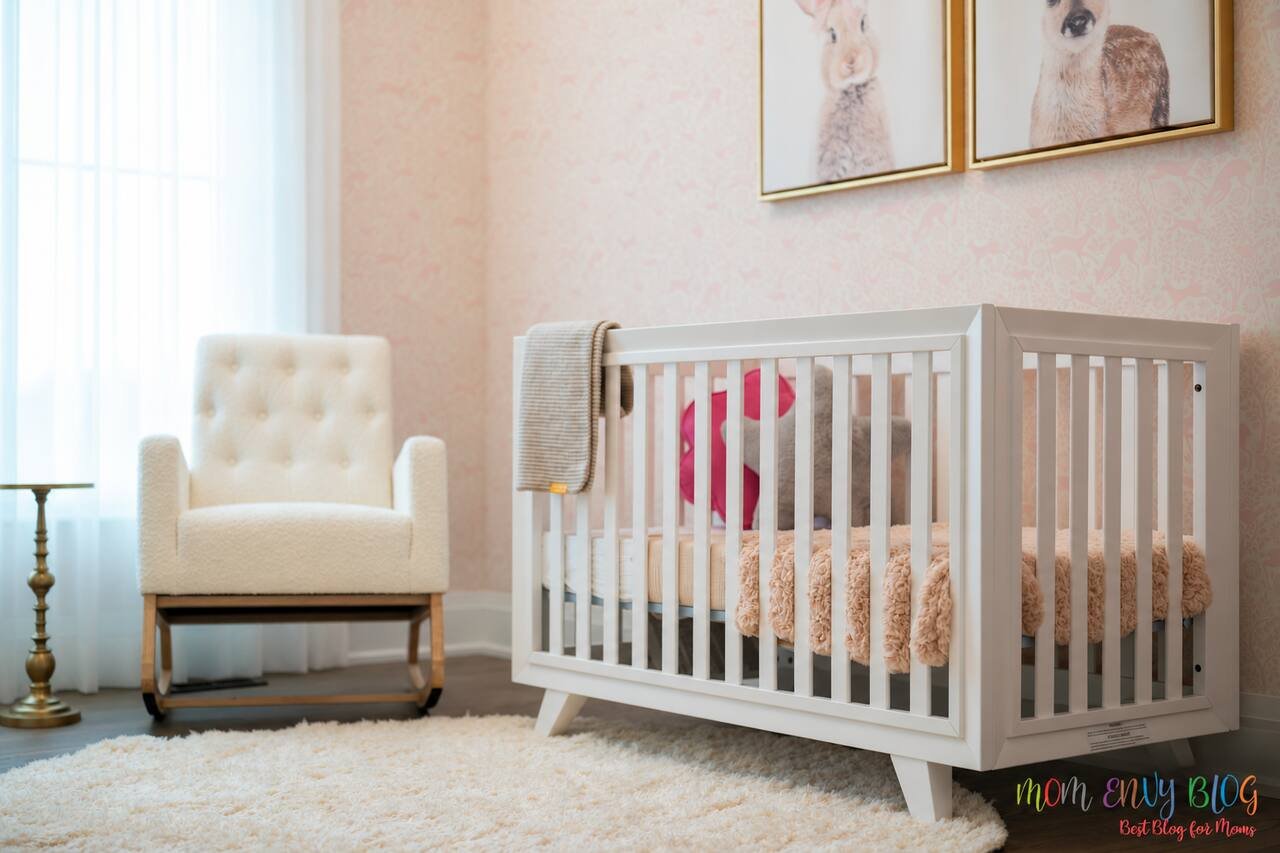
An older spare room can become a comfortable nursery, but age-related materials need attention before decorating begins. Paint, textured ceilings and hidden dust may contain substances that shouldn’t be disturbed, especially around babies. Start the project early enough to inspect the room, complete repairs and air it out before the crib and other essentials arrive.
Inspect Before Scraping Any Paint
Check the walls, trim, doors and window frames before sanding or scraping. Older layers may contain lead or other hazardous materials, even when newer paint appears clean. Peeling edges, chalky residue and damaged surfaces are signs that testing should come before preparation.
Use a recognized home test kit or hire a qualified inspector. Avoid dry sanding until you know what’s present. If testing identifies asbestos-containing materials, property owners in Lismore should arrange professional asbestos removal instead of disturbing the area themselves. Keep children and pets out of the room while inspections and repairs are underway.
Handle Popcorn Ceilings with Caution
A textured ceiling can release a surprising amount of dust when scraped. Its age matters because some older finishes contained hazardous fibers, while painted coatings can also make removal harder. Review reliable textured ceiling guidance before touching the surface, then arrange laboratory testing if the ceiling’s composition is unknown.
Once testing confirms that removal is safe, follow a clear popcorn ceiling removal guide and isolate the room. Cover floors, close vents and wear suitable protective equipment. Stop if the coating won’t soften, creates heavy dust or reveals damaged material underneath. A professional can handle difficult ceilings with better containment.
Choose Non-Toxic Paints and Finishes
Select a water-based interior paint labeled zero-VOC or low-VOC. Check the product’s technical information because added colorants may affect its final VOC level. A durable eggshell finish often works well on nursery walls since it tolerates gentle cleaning without creating a highly reflective surface.
Look beyond wall color, too. Primer, wood stain, floor sealant and furniture finishes can all affect indoor air. Choose products intended for interior use and allow each coat to cure for the full time listed by the manufacturer. If you’re refinishing a dresser, do that work in a separate ventilated area before moving it into the nursery.
Seal and Ventilate the Space
Contain dust before repairs start. Close the nursery door, cover the air-return vent and seal gaps around the doorway with plastic sheeting during messy work. Use a vacuum fitted with a HEPA filter for cleanup, followed by damp wiping from high surfaces down to the floor. A standard household vacuum may blow fine particles back into the air.
After painting, open windows when weather permits and use a fan facing outward to exhaust fumes. Keep interior doors open only after dusty work has ended. Give the room several days to ventilate, or longer if odors remain. Never place a baby in the space while paint or finish still smells noticeable.
Create a Pure Air Sanctuary
Once renovation dust is gone, reduce the everyday sources of indoor pollution. Wash curtains and crib linens before use, choose a washable rug and limit heavily scented sprays or plug-in fragrances. New furniture should air out outside the nursery when possible, particularly if it has a strong chemical odor.
A portable air purifier with a true HEPA filter can capture fine airborne particles. Choose a model sized for the room and position it where airflow isn’t blocked by furniture or curtains. Replace its filter on the manufacturer’s schedule and continue regular damp dusting.
Finish by checking the room at a baby’s level. Wipe the baseboards, inspect the floor around the crib and confirm that every repaired surface is fully dry and intact before bringing nursery furnishings inside.