







Quick Highlights
- Prime Hydration and Prime Energy are two different drinks.
- Prime Energy is not recommended for children because it contains high levels of caffeine.
- Prime Hydration does not contain caffeine but may still not be the healthiest everyday drink for kids.
- Some Prime drinks contain artificial sweeteners that may cause stomach discomfort in some children.
- Water and milk remain the best hydration choices for most kids.
- Sports drinks are generally unnecessary unless a child is exercising intensely for long periods.
- Parents should always check labels because Prime products vary by type and formula.
- Health experts have raised concerns about children consuming caffeinated energy drinks.
Introduction
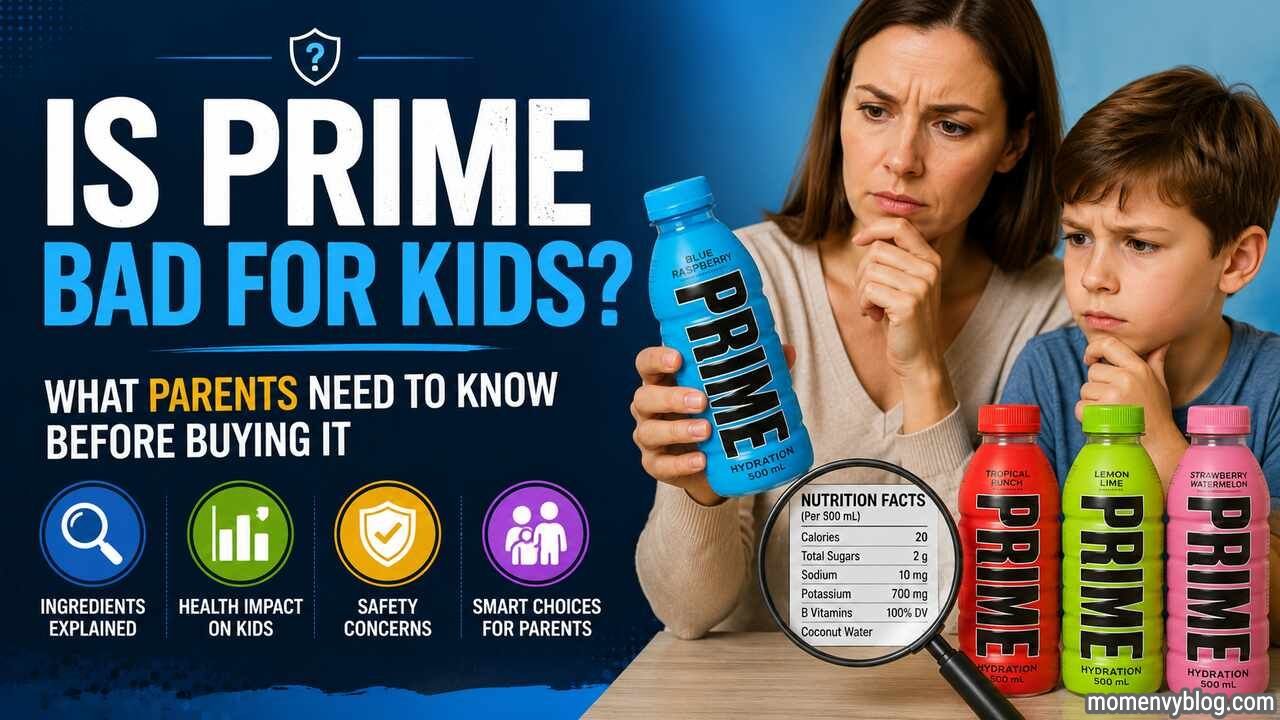
Many parents have seen their kids asking for Prime drinks after watching influencers, athletes, or friends talk about them. The popularity of Prime has sparked a common question: Is Prime bad for kids?
The answer depends on which Prime product you’re talking about. Prime Hydration and Prime Energy are very different drinks, and one is far more concerning for children than the other. Understanding the ingredients, caffeine content, and potential health effects can help parents make an informed decision.
What Is Prime?
Prime is a beverage brand created by internet personalities Logan Paul and KSI.
The company sells several products, including:
- Prime Hydration
- Prime Hydration Sticks
- Prime Energy
- Prime Ice
The biggest concern for parents is that many children do not realize the difference between Prime Hydration and Prime Energy.
Is Prime Energy Bad for Kids?
Yes, Prime Energy Is Not Recommended for Children
Prime Energy contains approximately 200 milligrams of caffeine per can.
For comparison:
| Beverage | Approximate Caffeine |
| Prime Energy | 200 mg |
| Soda | 30 to 50 mg |
| Coffee (8 oz) | 80 to 100 mg |
| Energy Shot | 150 to 200 mg |
Many pediatric health organizations advise that children should avoid energy drinks entirely.
Possible Side Effects of Prime Energy in Kids
Children may experience:
- Increased heart rate
- Jitters
- Nervousness
- Difficulty sleeping
- Headaches
- Anxiety
- Upset stomach
- Elevated blood pressure
Younger children are especially sensitive to caffeine because of their smaller body size.
As a mom, I’d be particularly cautious about any drink that contains as much caffeine as several sodas or multiple cups of tea combined.
Is Prime Hydration Bad for Kids?
Prime Hydration Is Generally Safer Than Prime Energy
Unlike Prime Energy, Prime Hydration does not contain caffeine.
However, that doesn’t automatically make it a healthy daily drink.
Prime Hydration contains:
- Electrolytes
- Coconut water concentrate
- Artificial sweeteners in many varieties
- Vitamins
For most healthy children, an occasional bottle is unlikely to cause harm. However, it is not necessary for everyday hydration.
Why Some Parents Are Concerned About Prime Hydration
Artificial Sweeteners
Many Prime Hydration flavors contain sweeteners such as:
- Sucralose
- Acesulfame potassium
Some children may experience:
- Bloating
- Gas
- Digestive discomfort
Research on long-term effects of artificial sweeteners in children is still evolving, which leads some parents to limit their use.
Marketing Appeal
One concern many parents share is the way Prime is marketed.
Bright packaging, influencer promotion, and social media trends can make children view Prime as a must-have product rather than an occasional beverage.
This can encourage frequent consumption even when water would be a better choice.
Do Kids Actually Need Electrolyte Drinks?
In most situations, no.
Healthy children can usually stay hydrated with:
- Water
- Milk
- Fruits and vegetables with high water content
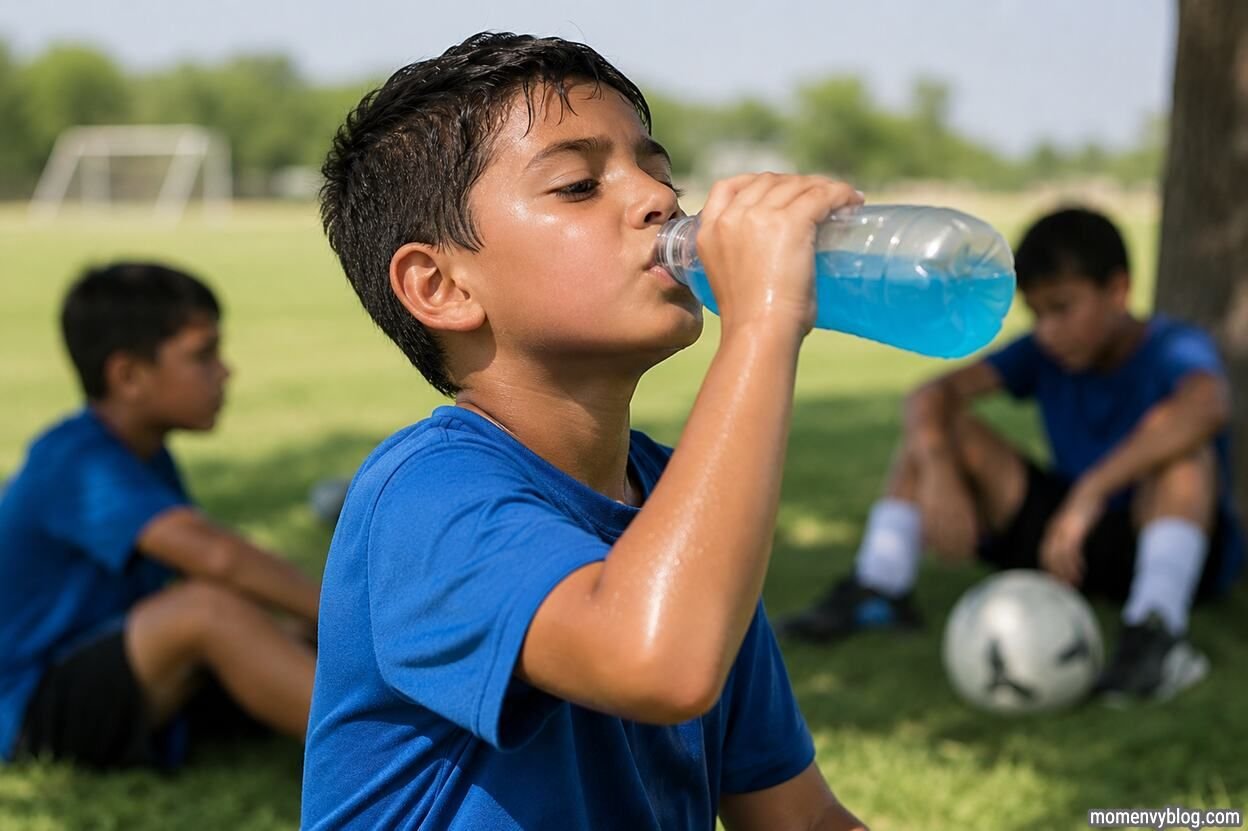
Electrolyte drinks may be useful when a child:
- Participates in intense sports for more than an hour
- Exercises in very hot weather
- Has vomiting or diarrhea and a doctor recommends electrolyte replacement
For everyday school, playtime, and regular activities, water is typically enough.
What Do Pediatric Experts Say About Energy Drinks?

Most pediatric experts discourage energy drink consumption among children and teens.
Concerns include:
- Excess caffeine intake
- Sleep disruption
- Increased anxiety
- Cardiovascular effects
- Potential dependence on caffeine
Energy drinks are designed for adults, not growing children.
Can Teenagers Drink Prime?
The answer depends on the product.
Prime Hydration
Many parents allow teenagers to drink Prime Hydration occasionally.
However, it should not replace water as the primary source of hydration.
Prime Energy
Prime Energy is generally not recommended for teens, especially younger adolescents who may already consume caffeine from soda, coffee, tea, or chocolate.
Better Alternatives to Prime for Kids
If your child enjoys flavored drinks, consider:
| Alternative | Why It’s a Good Choice |
| Water | Best hydration option |
| Milk | Provides protein and calcium |
| Diluted fruit juice | Lower sugar concentration |
| Homemade fruit-infused water | Natural flavor without additives |
| Oral rehydration drinks when needed | Useful during illness under guidance |
A reusable water bottle with fruit slices can be surprisingly appealing to kids who want something more exciting than plain water.
Signs Your Child May Be Drinking Too Much Caffeine
Watch for:
- Trouble falling asleep
- Hyperactivity
- Irritability
- Rapid heartbeat
- Frequent headaches
- Anxiety
- Restlessness
If these symptoms appear after consuming energy drinks, reducing caffeine intake is a good first step.
FAQs:
Q: Is Prime Hydration safe for a 10-year-old?
A: For most healthy children, occasional consumption is generally considered safer than energy drinks because it does not contain caffeine. However, water remains the healthier everyday option.
Q: Can an 8-year-old drink Prime?
A: An 8-year-old should avoid Prime Energy because of its high caffeine content. Prime Hydration may be consumed occasionally, but it is not necessary for daily hydration.
Q: Why is Prime controversial?
A: The controversy largely stems from the popularity of Prime Energy among children despite its high caffeine content and energy drink classification.
Q: Is Prime healthier than soda?
A: Prime Hydration is generally lower in sugar than many sodas. However, it often contains artificial sweeteners, so it should not automatically be viewed as a health drink.
Q: Can Prime cause stomach problems?
A: Some children may experience digestive discomfort from artificial sweeteners found in certain Prime products.
Final Verdict: Is Prime Bad for Kids?
A: Prime Energy is not a good choice for children because it contains a large amount of caffeine that can affect sleep, heart rate, mood, and overall health.
Prime Hydration is a different product and does not contain caffeine. While it is generally safer, it still contains ingredients that make it less ideal than water for everyday use.
For most kids, the healthiest hydration choices are still simple ones: water, milk, and a balanced diet. Prime Hydration can be an occasional drink, but Prime Energy is best avoided.