








Managing a home has always required time, planning, and organization. From cleaning and maintenance to grocery shopping and household repairs, there always seems to be another task waiting on the list. Fortunately, technology is changing the way homeowners approach these responsibilities. Smart devices and on demand services are making it easier than ever to keep homes running smoothly while reducing the amount of time spent on routine chores.
The future of home management is not about replacing people with technology. Instead, it is about using smart tools to simplify repetitive tasks, improve efficiency, and give families more time to focus on the things they enjoy. As technology continues to evolve, homeowners have more opportunities to create homes that are both comfortable and easier to maintain.
If you are interested in how on demand cleaning services fit into today’s connected home, this Homeaglow review explores how professional cleaning can complement modern home management and help busy households save valuable time.
Smart Homes Are Becoming More Practical
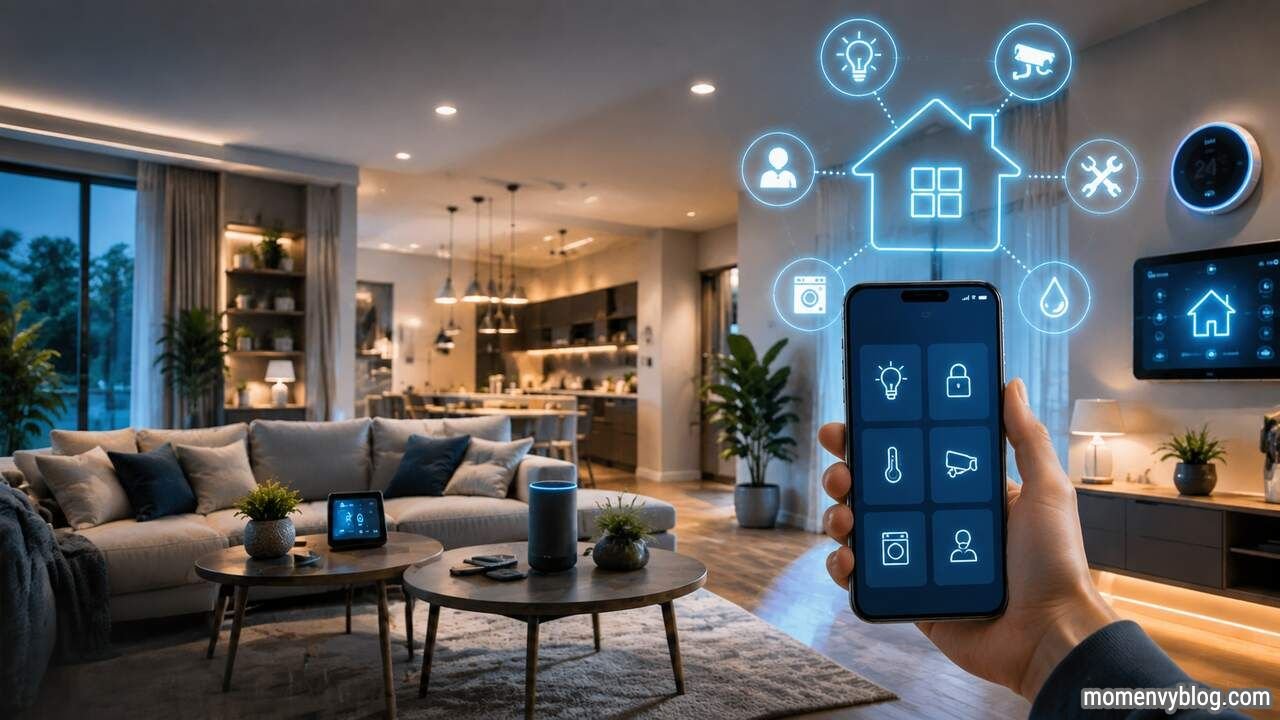
Smart home technology is no longer limited to luxury properties or technology enthusiasts. Many homeowners now use connected devices as part of their everyday routines.
Smart thermostats automatically adjust indoor temperatures throughout the day. Smart lighting systems allow homeowners to control lights remotely or schedule them to turn on and off automatically. Video doorbells, security cameras, and smart locks provide additional convenience while improving home security.
These devices reduce the number of daily tasks homeowners need to remember while helping homes operate more efficiently.
Automation Reduces Everyday Stress
Many household responsibilities involve repeating the same actions every day. Automation helps remove some of these repetitive tasks from your routine.
Robot vacuum cleaners can clean floors while you are working or running errands. Smart irrigation systems water gardens based on weather conditions. Voice assistants can create shopping lists, manage reminders, and control connected devices throughout the home.
While these technologies do not eliminate household responsibilities completely, they significantly reduce the amount of manual effort required.
Connected Devices Improve Home Maintenance
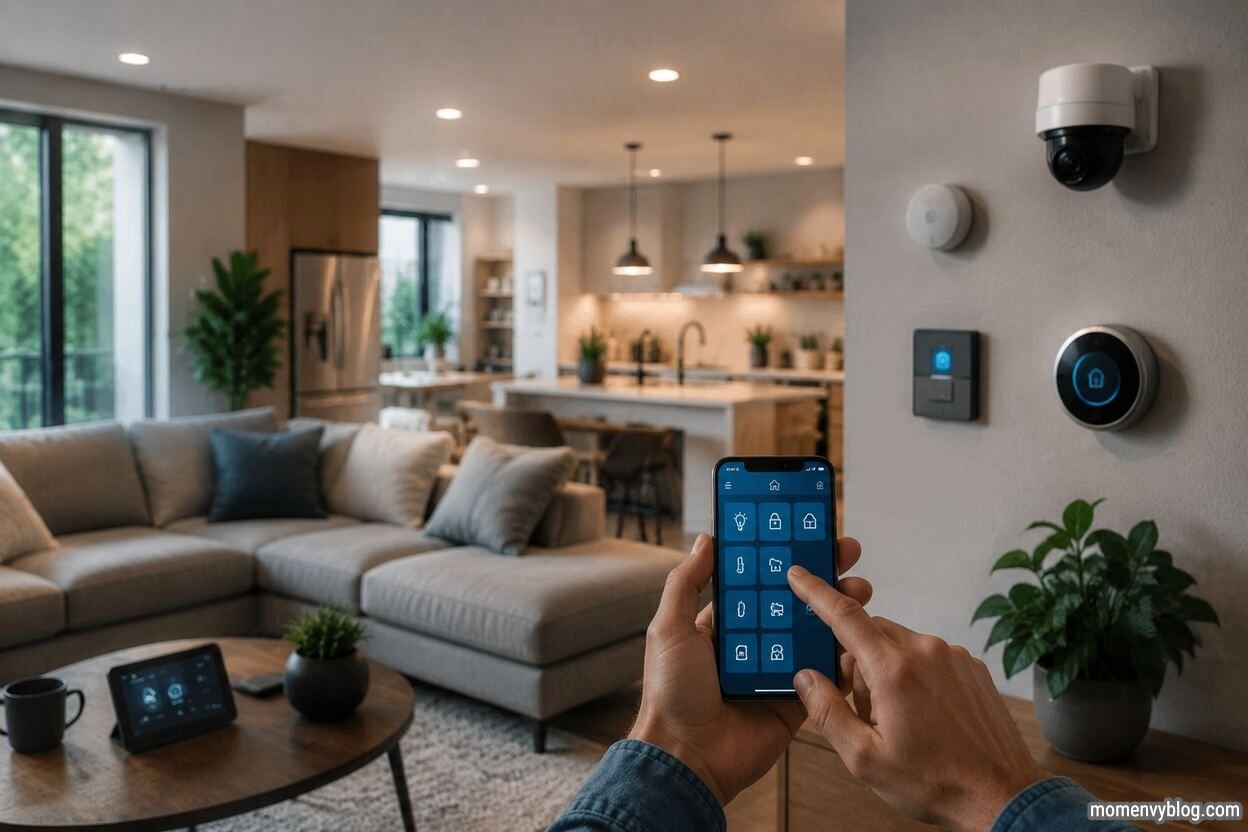
Preventive maintenance is easier when smart devices help monitor your home.
Water leak detectors can alert homeowners before small plumbing problems become major repairs. Smart smoke and carbon monoxide detectors send notifications even when you are away. Connected appliances may notify you when maintenance is needed or when a cycle has finished.
Receiving early alerts allows homeowners to address problems before they become more expensive or disruptive.
On Demand Services Fill the Gaps
Technology is not limited to devices inside the home. On demand services have also transformed the way homeowners manage daily responsibilities.
Today it is possible to schedule grocery deliveries, hire cleaning professionals, arrange lawn care, book home repairs, or order household supplies using only a smartphone.
Instead of spending valuable hours completing every task personally, homeowners can choose where professional assistance provides the greatest value.
Smart Scheduling Saves Time
Managing household responsibilities becomes much easier when technology helps organize daily routines.
Digital calendars, reminder applications, and home management tools allow families to coordinate appointments, school activities, maintenance schedules, and recurring household tasks in one place.
Automatic reminders reduce the likelihood of forgetting important responsibilities while making it easier to divide tasks among family members.
Families Benefit From Greater Flexibility
Modern households often balance demanding work schedules, children’s activities, and personal commitments. Smart technology helps families adapt more easily to constantly changing schedules.
Parents can remotely unlock doors for children arriving home from school, monitor deliveries while at work, or adjust home settings before arriving home. These conveniences reduce stress while making everyday routines more flexible.
Small improvements in efficiency often create more opportunities for quality family time.
Technology Supports Better Organization
A well organized home is easier to maintain, and technology can help simplify organization.
Digital shopping lists keep everyone updated on household needs. Inventory applications help track pantry items and cleaning supplies. Reminder systems make it easier to schedule recurring maintenance tasks such as replacing air filters or testing smoke detectors.
Rather than relying entirely on memory, homeowners can use technology to stay one step ahead.
Human Services Still Matter
While smart devices continue improving every year, they cannot replace every aspect of home management.
Certain responsibilities still require professional expertise or personal attention. Deep cleaning, home repairs, landscaping, and specialized maintenance often benefit from experienced professionals who understand how to complete these tasks efficiently and safely.
The future is not about choosing technology instead of people. It is about combining both in ways that create better results.
Simplicity Is the Real Goal
Many people assume adding more technology automatically creates a smarter home. In reality, the best home management systems are often the simplest ones.
Choose devices and services that genuinely solve problems rather than adding unnecessary complexity. A few carefully selected tools that save time every week usually provide far greater value than dozens of connected devices that rarely get used.
Technology should simplify your life instead of giving you more things to manage.
Prepare Your Home for the Future
You do not need to upgrade your entire home overnight. Small improvements can gradually create a more efficient household.
You might begin with a smart thermostat, add connected lighting later, schedule recurring cleaning services, or automate simple reminders for home maintenance. As your needs change, you can continue adding solutions that fit your family’s lifestyle.
Building a smarter home is an ongoing process rather than a one time project.
Balance Technology With Everyday Living
As homes become increasingly connected, it is important to remember that technology exists to support everyday life, not replace it.
The greatest benefit of smart devices and on demand services is the extra time they create. Instead of spending every weekend catching up on chores, families can enjoy meals together, travel, pursue hobbies, or simply relax at home.
Technology works best when it quietly handles routine responsibilities while allowing people to focus on what matters most.
Final Thoughts
The future of home management is built on a combination of smart technology, thoughtful organization, and reliable professional services. Connected devices help automate repetitive tasks, while on demand services provide expert support when homeowners need additional assistance. Together, they create homes that are easier to maintain, more efficient to manage, and less stressful to live in.
As technology continues to evolve, the goal remains the same: giving people more control over their homes while freeing up valuable time for family, work, and the activities they enjoy most.

