








Major home repairs become far less disruptive when your budget already has room for them. A failed heating system, worn roof or damaged siding can strain a family’s finances, especially when the repair arrives alongside child care bills and other monthly expenses. A practical home repair plan helps you prepare without putting every other savings goal on hold. Start with a dedicated reserve, track the age of major systems and decide in advance how you’ll handle projects that cost more than you have saved.
Building a Realistic Emergency Reserve
Open a separate savings account for urgent home repairs so the money doesn’t get mixed into your everyday spending. Fannie Mae’s guide to a home repair budget suggests considering your home’s age, condition and maintenance needs when setting a target.
A newer home may need a smaller starting reserve, while an older property with original plumbing or aging exterior materials deserves a larger cushion. Aim first for an achievable milestone, such as $1,000, then keep contributing through automatic transfers. If you save $40 from each weekly paycheck, you’ll build more than $2,000 in a year. Tax refunds, work bonuses and cash gifts can help you reach the next milestone faster.
Anticipating Big-Ticket Upgrades
Create a simple home inventory that lists major components, their approximate ages and expected replacement windows. Include the roof, heating and cooling equipment, water heater, windows and kitchen appliances. Review the list twice a year and watch for warning signs such as higher utility bills, recurring leaks or frequent service calls.
Once a project appears likely within three to five years, estimate its current cost and add a buffer for future price changes. Advice on budgeting for home improvements can also help families prioritize projects that may protect or increase property value. Divide the estimated total by the number of months remaining to set a realistic monthly savings amount.
Working With Certified Contractors
Get written estimates from at least three qualified contractors for any major repair. Each estimate should identify materials, labor, permits, cleanup and the projected schedule. Confirm licensing and insurance requirements through the appropriate state or local agency, then ask for recent references involving similar homes.
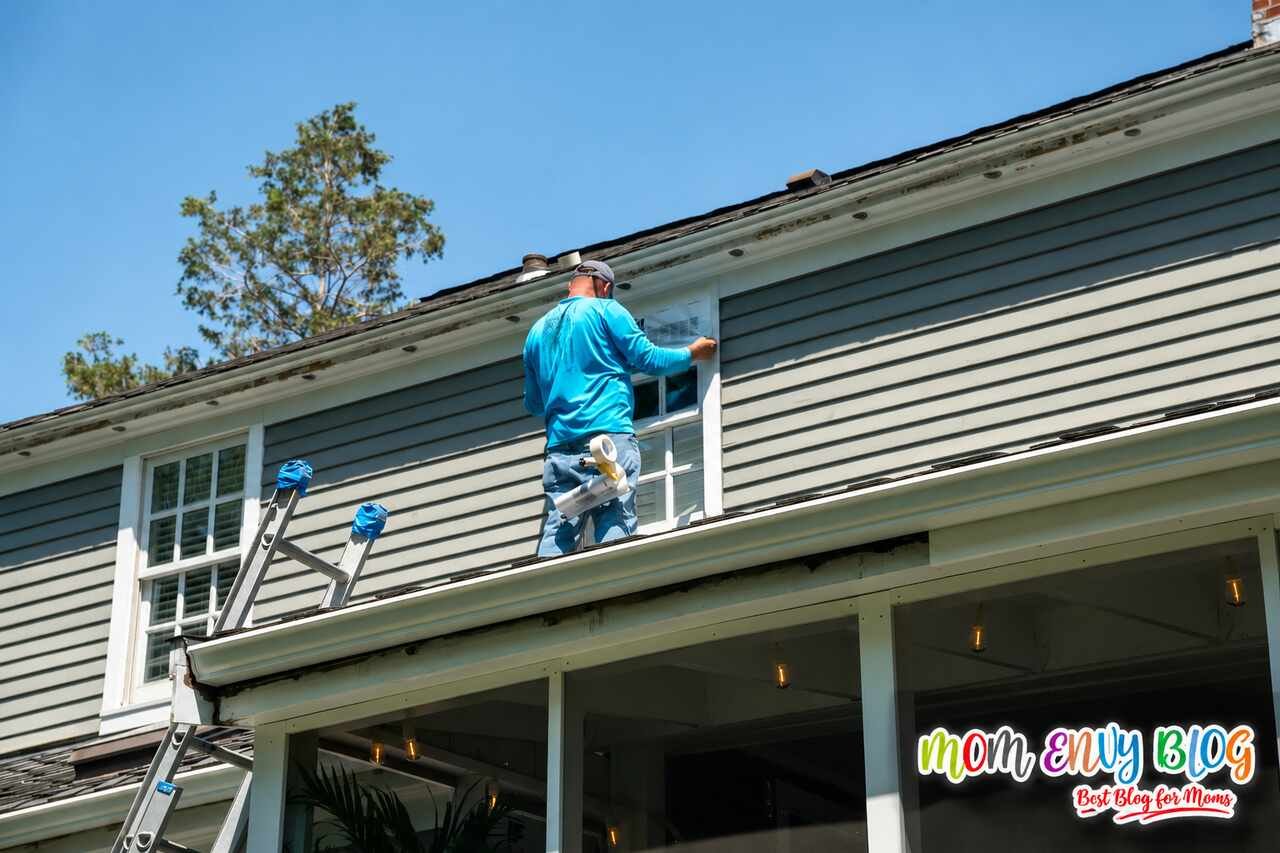
For exterior projects, experienced roofing experts can inspect problem areas and explain whether a targeted repair or full replacement makes financial sense. Avoid choosing a contractor based on price alone. A vague estimate may leave room for unexpected charges later, while an unusually low bid could exclude necessary work. Before signing, read the payment schedule, warranty terms and change-order process. Keep copies of contracts, receipts and inspection records with your household documents.
Financing Options for Growing Households
Use savings when the repair is affordable and paying cash won’t drain the entire emergency fund. For larger projects, compare a home equity loan, home equity line of credit and fixed-rate personal loan. Look at the annual percentage rate, fees, monthly payment and total repayment cost before committing.
Credit cards may work for a small repair you can repay during the billing cycle, but high interest can make a large project much more expensive. Families should also ask contractors about payment plans and check for utility rebates on eligible energy upgrades. If damage may fall under your homeowners policy, document it promptly and contact the insurer before authorizing permanent work. Never assume coverage, since policies, deductibles and exclusions vary.
Keep your repair plan somewhere easy to update, such as a shared household spreadsheet. When a service visit reveals that an appliance or exterior component has only a few years left, adjust its timeline and savings target that same week. That small habit turns a future replacement into a scheduled family expense instead of a financial scramble.

